
2026 Editorial Guide
Best Oral Health Supplements (2026 Guide)
Compare top oral probiotics, herbal formulas, and key ingredients for gum health, fresh breath, and oral balance.

Our reviews use research, public data, user feedback, and strict editorial standards for accuracy, clarity, and transparency. Learn how we review products →
Bad breath that lingers, gums that feel sensitive when brushing, or plaque that seems to return quickly—these are common concerns many people experience. While daily habits like brushing and flossing remain essential, they may not fully address what’s happening beneath the surface. Oral health is increasingly viewed as a balance of bacteria within the oral microbiome, influenced by factors such as diet, saliva flow, and overall health. These changes may also be associated with how the gums respond over time, including sensitivity or irritation. When this balance shifts, it may contribute to issues like odor, irritation, or buildup over time.
For some individuals, this can encourage a broader look at oral care beyond traditional routines. Approaches that support the oral microbiome—along with key nutrients and internal factors—are often explored as part of a more comprehensive strategy. In this context, oral health supplements are sometimes considered as a supportive addition, designed to complement—not replace—consistent daily care practices.
What Are Oral Health Supplements
Oral health supplements are products designed to support oral health from within, rather than through external care alone. They are typically taken as capsules, tablets, powders, or lozenges and are formulated with ingredients that may help maintain a balanced oral microbiome. Unlike toothpaste or mouthwash, which act directly on the teeth and gums, these supplements are intended to complement daily habits like brushing and flossing.
There are several common types of oral health supplements. Some focus on probiotics—beneficial bacteria that may help support a healthy oral microbiome (learn more about oral probiotics). Others include herbal extracts such as clove, peppermint, or neem, which are commonly used for their soothing or antimicrobial properties. Minerals like zinc and calcium are also often included, as they may play a role in maintaining tooth structure and breath freshness.
The general purpose of these supplements is to support factors linked to oral health, including bacterial balance, gum comfort, and breath freshness. While they may be used as part of a broader routine, they are not intended to replace regular dental care or professional treatment. Some formulations are specifically designed to support gum health and tissue comfort as part of a wider oral care approach.
Why Oral Health Goes Beyond Brushing
Oral health is often associated with brushing and flossing, but these habits mainly address the surface of the teeth and gums. Increasingly, researchers view oral health as a reflection of the oral microbiome—a complex community of bacteria. When this microbial balance is stable, it may support a healthier environment. When it becomes disrupted, it may help explain why certain issues tend to persist or return over time. These changes may also influence how the gums respond, including sensitivity or irritation. (For a deeper overview, see how the oral microbiome works.)
This perspective highlights the difference between external and internal care. External care includes brushing, flossing, and mouthwash, which help remove debris and reduce plaque buildup. Internal factors—such as diet, saliva production, and overall health—may also influence how bacteria behave. These factors are not always addressed by surface-level routines alone.
As a result, recurring concerns like bad breath, gum sensitivity, or buildup may not always be linked to hygiene habits alone. In some cases, they may reflect imbalances within the oral environment itself. Understanding these patterns may help explain why issues return even with consistent brushing. (You can explore common causes of bad breath for more context.)
These patterns are often linked to changes in the oral microbiome, which can influence how bacteria behave over time. Factors such as diet may also play a role in shaping this environment, and in some cases, this may be associated with how the gums respond, including sensitivity or irritation.
Key Factors That Can Affect Oral Health
Several everyday factors can influence oral health, often in ways that go beyond basic brushing and flossing. Understanding these factors may help explain why some concerns develop or persist over time.
- Diet and sugar intake: What you eat may shape the environment in your mouth. Diets high in sugar and refined carbohydrates may encourage the growth of certain bacteria linked to plaque and acid production. Over time, this can affect tooth enamel and overall oral balance. Learn more about the connection between diet and oral health.
- Bacteria balance (oral microbiome): The mouth contains a wide range of bacteria, some beneficial and others potentially harmful. When this balance is stable, it may support healthier gums and fresher breath. Disruptions in this balance may contribute to issues such as buildup, irritation, or odor.
- Saliva production: Saliva plays an important role in rinsing away food particles and helping regulate bacteria levels. Reduced saliva flow, which may be linked to dehydration, medications, or aging, may create a drier environment where bacteria accumulate more easily.
- Lifestyle habits: Daily behaviors such as smoking, alcohol intake, hydration, and oral hygiene routines can all influence oral health. Inconsistent care or certain habits may increase the likelihood of plaque buildup or gum sensitivity. You can also explore ways to reduce plaque naturally as part of a balanced routine.
Changes in these factors may also influence how the gums respond over time, including issues such as gum sensitivity or irritation, which are often linked to bacterial balance and inflammation.
Because these factors often work together, oral health is not always shaped by brushing alone. A broader view may help explain why recurring concerns sometimes need more than surface-level care.
How Oral Health Supplements Work
Oral health supplements are generally formulated to support the mouth through multiple mechanisms, often working alongside daily oral care rather than replacing it. Their effects are typically linked to how certain ingredients interact within the oral environment over time.
One common category is probiotics. These are beneficial bacteria that may support a more balanced oral microbiome by competing with less desirable strains. In some cases, this shift in bacterial balance may help explain improvements in breath freshness or overall oral comfort. You can learn more about oral probiotics and how they are commonly used.
Minerals are another key component. Ingredients such as zinc are often included because they may play a role in maintaining gum health and managing compounds linked to oral odor. Minerals may also contribute to supporting the structural integrity of teeth and surrounding tissues. For more detail, see how zinc supports oral health.
Herbal compounds are frequently added for their antioxidant and soothing properties. Extracts such as clove or peppermint are commonly associated with helping to manage oxidative stress and support balance within the oral environment.
Together, these ingredients are designed to work through complementary pathways, focusing on microbial balance, tissue support, and environmental stability within the mouth.
Top Oral Health Supplements to Know
Oral health supplements come in different formats and ingredient profiles, ranging from probiotics to herbal and mineral-based blends. Below are several commonly discussed options, each with a slightly different approach to supporting oral health.
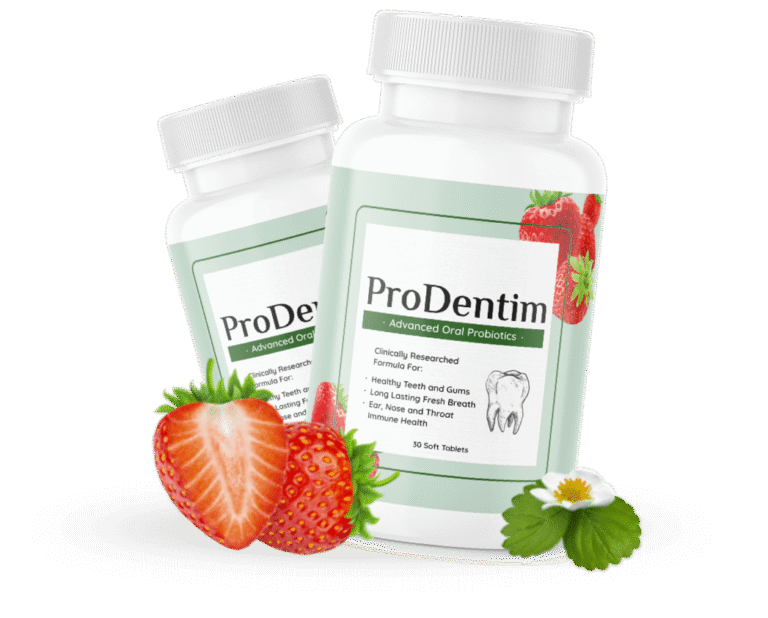
ProDentim
What it is: ProDentim is an oral probiotic supplement formulated with beneficial bacterial strains and supportive nutrients.
Who it may suit: It may suit individuals interested in microbiome-focused oral care, especially those exploring internal support for breath freshness and gum comfort.
Key feature: Probiotic-focused formula for oral bacteria balance.
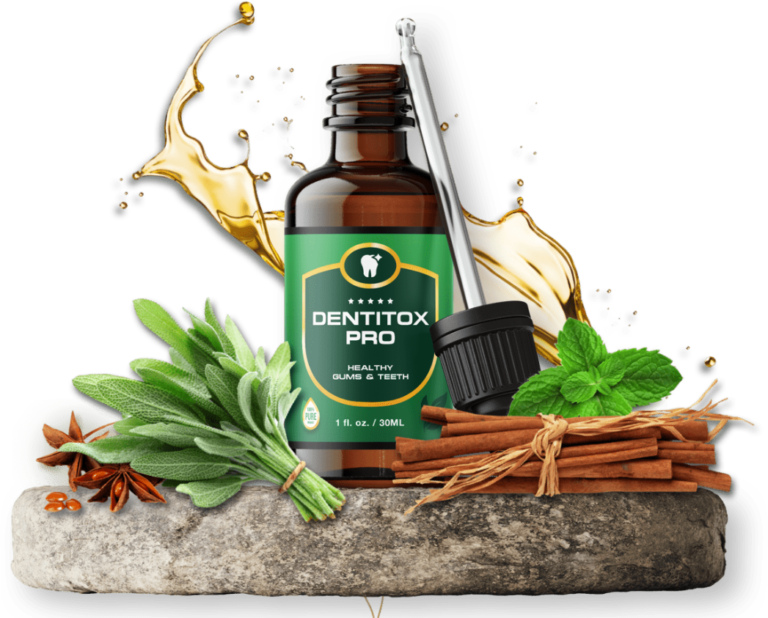
Dentitox Pro
What it is: Dentitox Pro is a liquid oral health supplement that typically combines plant extracts, vitamins, and minerals.
Who it may suit: It may suit those who prefer a liquid format and are looking for a plant-based approach to oral care support.
Key feature: Liquid delivery format with herbal and mineral ingredients.
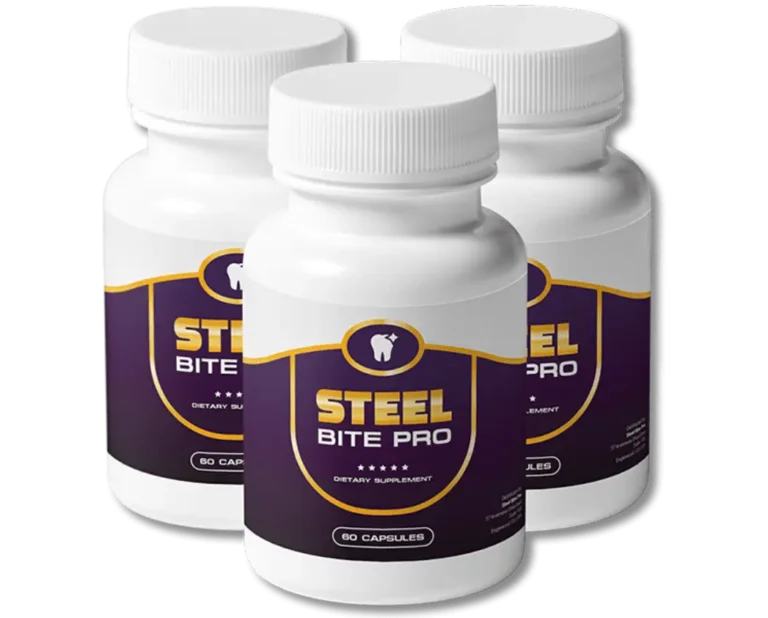
Steel Bite Pro
What it is: Steel Bite Pro is a capsule-based oral health supplement that combines vitamins, minerals, and herbal compounds.
Who it may suit: It may suit people looking for a broader nutritional formula rather than a probiotic-only product.
Key feature: Multi-ingredient blend designed for broader oral support.
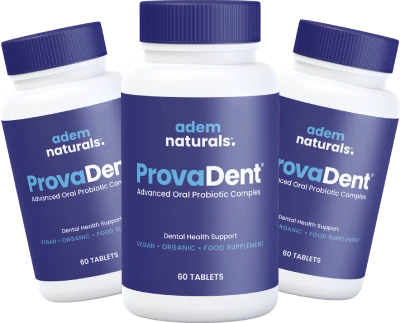
ProvaDent
What it is: ProvaDent is an oral probiotic supplement designed to support balance within the oral microbiome.
Who it may suit: It may suit those specifically interested in probiotic-based oral care for ongoing daily support.
Key feature: Targeted probiotic approach for oral microbiome support.
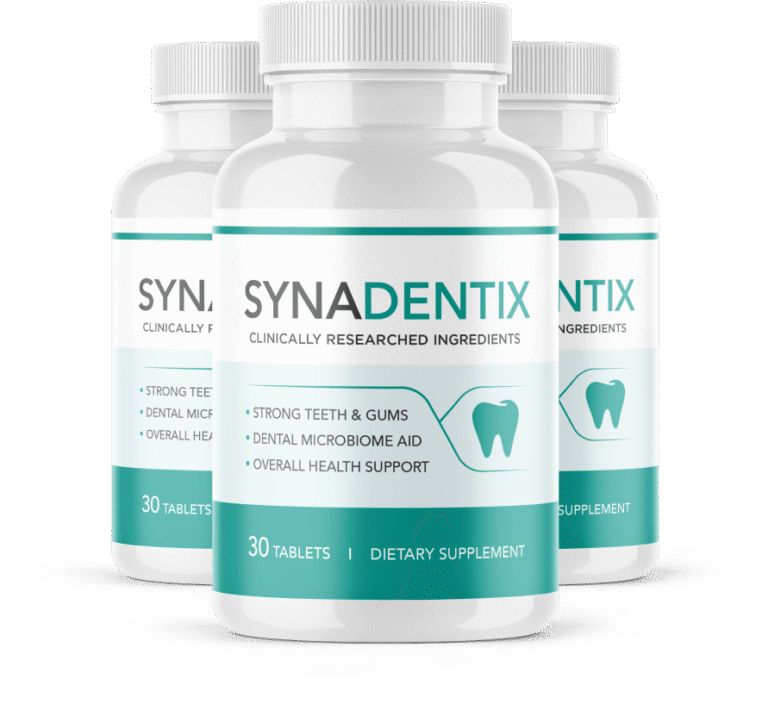
SynaDentix
What it is: SynaDentix is an oral health supplement that typically combines plant-based extracts with nutrients designed to support overall oral balance.
Who it may suit: It may suit individuals looking for a herbal-based approach to complement their daily oral care routine.
Key feature: A blend of herbal ingredients commonly associated with antioxidant and oral support properties.
Comparison of Popular Oral Health Supplements
Different oral health supplements vary in format and formulation approach. The table below provides a quick overview to help compare their general focus and typical use cases.
| Product | Rating | Best For | Format | Key Focus | |
|---|---|---|---|---|---|
|
ProDentim ⭐ Top Pick |
4.8/5 | Overall Balance | Chewable | Oral microbiome support |
View Details →
Popular choice this month
|
|
Dentitox Pro |
4.6/5 | Liquid Option | Drops | Herbal + mineral blend | View Details → |
|
Steel Bite Pro |
4.5/5 | All-in-One | Capsules | Multi-ingredient formula | View Details → |
|
ProvaDent |
4.6/5 | Probiotic Focus | Capsules | Microbiome support | View Details → |
|
SynaDentix |
4.4/5 | Herbal Support | Capsules | Plant-based formula | View Details → |
Common Ingredients in Oral Health Supplements
Oral health supplements often combine a range of ingredients used to support the oral environment. While formulations vary, several ingredient types appear frequently due to their potential roles in maintaining balance and complementing daily oral care.
Probiotics: Probiotics are beneficial bacteria that may support a balanced oral microbiome. The mouth naturally contains a mix of bacterial species, and maintaining this balance is often associated with overall oral health. Certain strains are included in supplements to help support microbial diversity and stability in the mouth. For a deeper look, see oral probiotics and how they are typically used in oral care.
Zinc: Zinc is a mineral frequently used in oral health formulations due to its role in maintaining normal tissue function and helping manage compounds linked to oral odor. It is often included in products designed to support breath freshness and gum health, and may also contribute to the body’s natural defense processes in the mouth.
Herbal extracts: Herbal extracts such as clove, peppermint, and neem are widely used in oral care for their traditional and functional properties. These ingredients are often associated with antioxidant effects and soothing support for the gums and oral tissues. In supplements, they may help maintain a more balanced oral ecosystem. You can explore more about herbal oral care ingredients and their common uses.
How to Choose an Oral Health Supplement
Choosing an oral health supplement often comes down to understanding your goals, preferred format, and the quality of the formula. While products vary, a few practical factors can help narrow the options.
- Look for a clear purpose: Some supplements focus on probiotic support, while others emphasize minerals or herbal ingredients. It may help choose a product that aligns with your main concern, such as breath freshness, gum comfort, or overall oral balance.
- Consider the format: Capsules, chewables, lozenges, and liquid drops vary in how they are used. Lozenges and chewables may spend more time in the mouth, while capsules are often preferred for convenience. Liquid formats may appeal to those who prefer an alternative delivery method.
- Check ingredient transparency: A clear label can make it easier to understand what the product contains and why those ingredients are included. Look for products that list active ingredients clearly rather than relying on vague marketing language.
- Keep expectations realistic: Oral health supplements are generally designed to complement brushing, flossing, and regular dental care. Results may vary depending on the formula, consistency of use, and overall oral hygiene habits.
Who May Benefit—and Who Should Be Cautious
Oral health supplements may be useful for individuals looking to complement their daily oral care routine, particularly those interested in supporting factors such as breath freshness, gum comfort, or overall oral balance. They may also appeal to people exploring internal approaches alongside brushing and flossing, especially when addressing recurring concerns that may be linked to the oral microbiome.
At the same time, some individuals should take a more cautious approach. Those with underlying medical conditions, allergies to specific ingredients, or those taking medications may want to review product labels carefully and consult a qualified healthcare professional before use. Pregnant or breastfeeding individuals may also consider seeking guidance, as ingredient safety can vary depending on the formulation.
In general, oral health supplements are intended to complement—not replace—regular dental care and professional advice. Taking a balanced and informed approach may help ensure they are used appropriately within a broader oral health routine.
Pros and Limitations of Oral Health Supplements
✔️ Pros
- May complement daily oral care: Often used alongside brushing and flossing as part of a broader routine.
- Offer different ingredient approaches: Formulas may include probiotics, minerals, or herbal extracts depending on individual preferences.
- May help support internal factors: Designed to work from within, potentially supporting oral balance in a different way than external products.
- Available in multiple formats: Capsules, chewables, lozenges, and drops allow flexibility in daily use.
- Can fit into a broader wellness approach: Sometimes used alongside diet, hydration, and consistent oral hygiene habits.
⚠️ Limitations
- Not a replacement for dental care: Intended to complement—not replace—brushing, flossing, and professional treatment.
- Results may vary: Effects can differ depending on the individual, formula, and consistency of use.
- Ingredient quality may vary: Not all products provide the same level of transparency or formulation quality.
- Not suitable for everyone: Individuals with health conditions, allergies, or medications may need to review ingredients carefully.
Frequently Asked Questions
Do oral health supplements work?
Oral health supplements may be helpful for some individuals, depending on the formula, the ingredients used, and how consistently the product is taken. They are generally designed to support factors such as oral microbiome balance, gum comfort, or breath freshness. However, results can vary, and they are best viewed as a supportive option rather than a guaranteed solution.
Can oral health supplements replace brushing?
No. Oral health supplements are not intended to replace brushing, flossing, or regular dental care. They are typically used as a complementary approach that may support oral health from within, while brushing and flossing continue to address plaque, debris, and surface-level hygiene. A complete routine usually includes both daily care habits and professional dental checkups.
How long does it take to notice results?
The timeline can vary depending on the product, its ingredients, and the individual’s oral health habits. Some people may notice changes sooner, while others may need more time to evaluate whether a supplement fits their routine. In general, results—if any—are more likely to depend on consistent use alongside brushing, flossing, and broader lifestyle habits.
Are oral health supplements safe?
Many oral health supplements are made with ingredients commonly used in wellness products, such as probiotics, minerals, and herbal extracts. Even so, safety can depend on the specific formula, ingredient quality, and the individual using it. Reading the label carefully and reviewing ingredient lists is important, especially for people with allergies, health conditions, or medication use.
Who should avoid oral health supplements?
Some individuals may need to be more cautious, including those with known allergies, underlying medical conditions, or those taking prescription medications. Pregnant or breastfeeding individuals may also want to seek guidance before using a new supplement, since ingredient safety can vary by formulation. If there is uncertainty, checking with a qualified healthcare professional may be a sensible step.
Can oral health supplements help with bad breath?
Some oral health supplements are formulated to support factors linked to breath freshness, such as bacterial balance or compounds associated with oral odor. In that sense, they may be useful for some people as part of a broader routine. However, bad breath can have multiple causes, so supplements are usually best viewed as supportive rather than a standalone fix.
Final Thoughts
Oral health supplements represent one of several approaches people may consider when looking to support their overall oral care routine. As outlined throughout this guide, these products often focus on areas such as bacterial balance, gum comfort, and breath freshness. While some individuals may find them helpful as part of a broader strategy, their role is generally supportive rather than foundational.
Consistency remains one of the most important factors in maintaining oral health. Daily habits such as brushing, flossing, and regular dental checkups continue to play a central role. Supplements, if used, are typically most effective when integrated into these routines rather than relied on independently.
Ultimately, choosing whether to use an oral health supplement comes down to individual needs, preferences, and expectations. Taking time to review ingredients, understand product formats, and consider personal health factors can help guide a more informed decision. A balanced approach—grounded in both routine care and thoughtful product use—may offer the most practical path forward.
Still Not Sure Which to Choose?
Start with our top-rated option based on ingredient quality, user feedback, and overall balance.
About the Author
Alex Morgan writes about oral wellness, focusing on gum health, oral hygiene routines, and ingredient-based supplement reviews. His work aims to present clear, practical insights to help readers better understand how daily habits and product choices may support long-term oral health.
Disclaimer
This content is provided for informational purposes only and should not be considered medical advice, diagnosis, or treatment. Always consult a qualified healthcare professional before making changes to your health routine. Individual responses may vary. Some links on this page may be affiliate links, which means we may earn a commission at no additional cost to you if you choose to make a purchase through them.