
Our reviews use research, public data, user feedback, and strict editorial standards for accuracy, clarity, and transparency. Learn how we review products →
Most people have experienced it at some point—brushing their teeth carefully in the morning, only to notice lingering bad breath a few hours later. Or perhaps dealing with sensitive gums that seem to flare up despite a consistent oral hygiene routine. These situations can be frustrating, especially when you feel like you’re doing everything “right” on the surface.
For many, oral care has long been associated with brushing, flossing, and using mouthwash. While these habits remain important, they primarily focus on cleaning the visible parts of the mouth. What is less often discussed is the environment those routines are trying to manage: a complex ecosystem of bacteria known as the oral microbiome.
A growing perspective in oral health suggests that it may not be just about removing bacteria, but about maintaining a balanced microbial environment. When this balance is disrupted, it is commonly linked to issues such as persistent bad breath, plaque buildup, or gum sensitivity—even in individuals who maintain regular hygiene habits.
This guide takes a closer look at that deeper layer. You’ll learn what the oral microbiome is, how it may influence everyday oral health, and why supporting balance—rather than simply focusing on surface-level cleaning—has become an increasingly discussed approach in modern oral care.
What Is the Oral Microbiome?
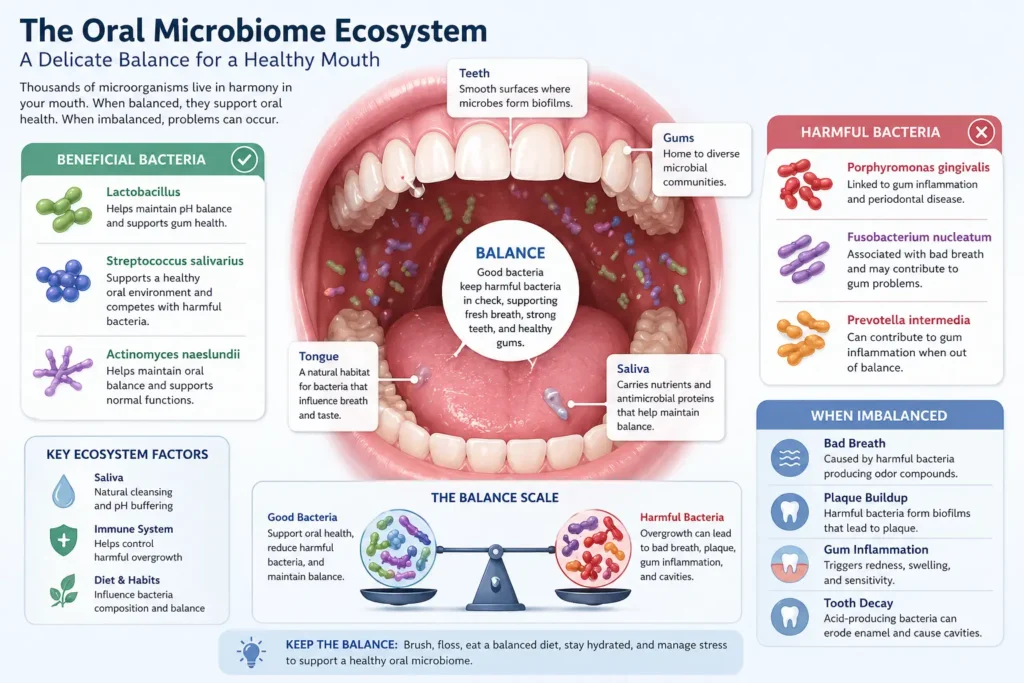
The oral microbiome refers to the diverse community of microorganisms that naturally live inside the mouth. This includes hundreds of different species of bacteria, along with fungi and other microbes, that exist on the teeth, gums, tongue, and even saliva. While the word “bacteria” is often associated with harm, many of these microorganisms are not only harmless but may play a supportive role in maintaining oral health.
Rather than functioning in isolation, these microbes interact with each other and their environment, forming a dynamic biological ecosystem. A useful way to understand this is to think of the mouth as a small, constantly changing “ecosystem” or “garden.” In a healthy garden, a variety of plants coexist, helping to maintain balance and prevent any one species from taking over. Similarly, in the mouth, different microbial species compete and cooperate, helping to regulate each other’s growth and activity. Explore a deeper explanation of how the oral microbiome works →
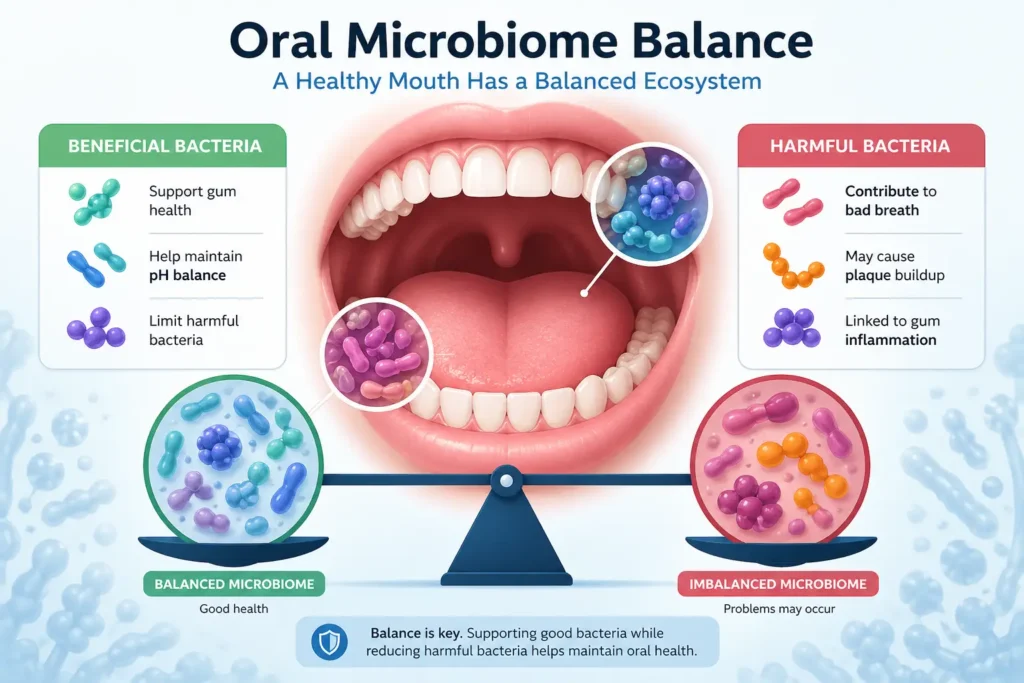
Within this ecosystem, there is often a distinction made between beneficial and potentially harmful bacteria. Beneficial bacteria are commonly associated with maintaining balance, supporting normal functions such as digestion of food particles, and helping to limit the overgrowth of less desirable microbes. On the other hand, certain bacteria are commonly linked to issues like plaque formation, bad breath, and gum irritation—particularly when they are allowed to dominate.
This is why balance, rather than complete elimination of bacteria, is increasingly emphasized in discussions about oral health. Daily hygiene practices such as brushing and flossing are important for reducing buildup and managing microbial levels, but they do not—and are not intended to—sterilize the mouth. In fact, attempting to remove all bacteria would disrupt the natural balance that the oral environment depends on.
When this balance is disrupted—often referred to as “dysbiosis”—it may create conditions where certain bacteria grow more rapidly than others. In real life, this imbalance is commonly linked to issues such as persistent bad breath, increased plaque accumulation, or sensitivity in the gums. Factors like diet, stress, dry mouth, and inconsistent oral hygiene habits may all influence this microbial environment over time.
Understanding the oral microbiome helps shift the perspective from simply “removing bacteria” to supporting a stable and balanced ecosystem. This approach may help explain why some individuals experience recurring oral issues despite maintaining regular hygiene routines, and why long-term oral health is often associated with consistency, balance, and overall lifestyle habits—not just surface-level cleaning alone.
Why the Oral Microbiome Matters in Everyday Life
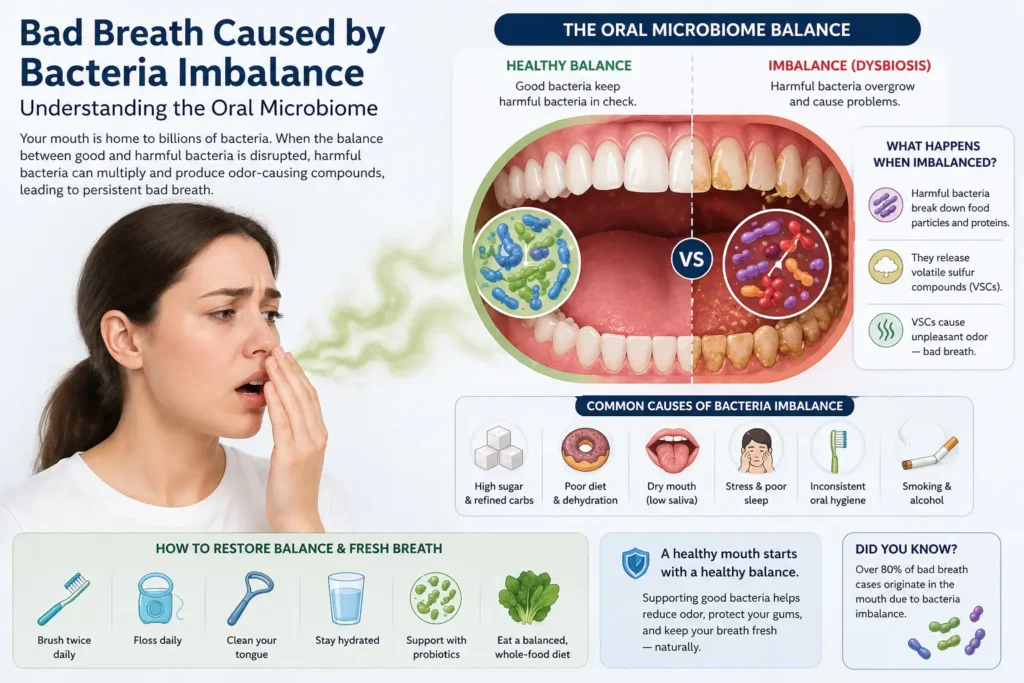
The oral microbiome plays a role that extends beyond routine dental hygiene. While brushing and flossing help remove food particles and surface buildup, they do not fully address the underlying microbial environment in the mouth. This environment—made up of interacting communities of bacteria—may influence how the mouth feels, smells, and responds over time.
One of the most noticeable everyday examples is bad breath. Even after brushing, some individuals continue to experience unpleasant odors. This is often associated with certain bacteria that break down food debris and release sulfur-containing compounds. When the balance of the oral microbiome shifts in favor of these odor-producing bacteria, bad breath may persist despite otherwise consistent hygiene habits.
A similar pattern can be seen with plaque buildup and gum sensitivity. Plaque is not just leftover food; it is a structured biofilm formed by bacteria adhering to the tooth surface. When certain bacterial populations become more dominant, plaque may accumulate more quickly. Over time, this buildup is commonly linked to gum irritation or inflammation, especially if it is not regularly disrupted. In this context, the issue is not only the presence of plaque, but the type and behavior of the bacteria within it.
These effects may also have longer-term implications for oral health. An imbalanced microbiome—often referred to as dysbiosis—is commonly associated with ongoing issues such as recurring gum discomfort or increased susceptibility to dental concerns. While daily cleaning helps manage symptoms at the surface level, it may not fully address the conditions that allow certain bacteria to thrive in the first place.
This helps explain why focusing only on brushing may not always resolve persistent problems. In many cases, broader lifestyle factors such as diet may also play a role in shaping the oral environment. For example, someone might brush twice a day but still experience gum sensitivity or bad breath due to factors like diet, dry mouth, or irregular bacterial balance. In these cases, the cause-and-effect relationship goes beyond simple cleanliness; it involves how the microbial ecosystem in the mouth is functioning as a whole. Learn how diet may influence oral health and the oral microbiome →
Understanding the role of the oral microbiome offers a broader perspective. It suggests that maintaining oral health may involve not only removing buildup, but also supporting a more balanced internal environment—one that helps limit the overgrowth of less desirable bacteria while allowing beneficial species to remain present.
What Can Disrupt the Oral Microbiome?
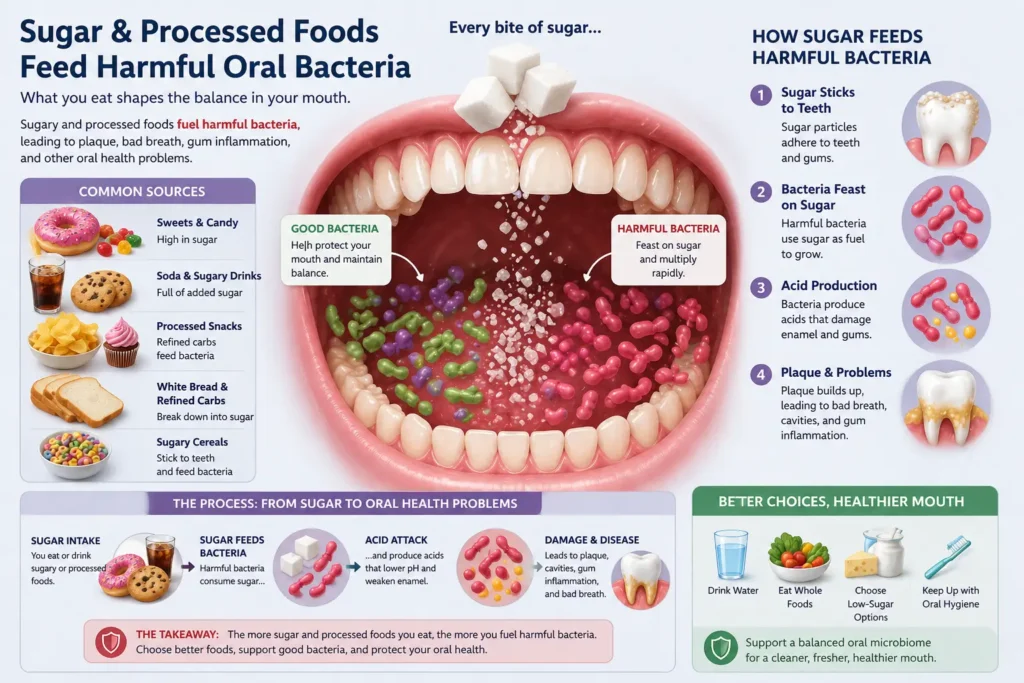
The oral microbiome is not static; it is constantly influenced by daily habits, environmental exposures, and overall health. While a balanced microbial community may help support oral stability, several common factors can shift this balance over time. These disruptions do not necessarily happen all at once, but rather build gradually, often without immediate or obvious symptoms.
Diet is one of the most influential factors. Explore how diet may affect oral bacteria, plaque formation, and gum health → Frequent consumption of sugar and highly processed foods provides a readily available energy source for certain bacteria, particularly those associated with acid production. As these bacteria metabolize sugars, they may produce acids that alter the oral environment, making it more favorable for their own growth while discouraging other, potentially beneficial species. Over time, this shift is commonly linked to increased plaque formation and a higher likelihood of enamel wear or gum irritation.
Oral hygiene habits also play a direct role. Inconsistent brushing and flossing may allow bacterial biofilms to accumulate on the teeth and along the gumline. These biofilms create a protective structure where certain bacteria can thrive undisturbed. As this buildup matures, it may encourage a shift toward bacterial populations commonly associated with inflammation or odor, rather than maintaining a more balanced microbial mix.
Antibiotic use is another important consideration. While antibiotics are designed to target harmful bacteria, they do not always distinguish between beneficial and undesirable species. As a result, their use may temporarily reduce microbial diversity in the mouth. This reduction can create space for opportunistic bacteria to grow more freely once the treatment ends, potentially altering the balance of the oral microbiome for a period of time.
Dry mouth, often related to hydration levels or certain medications, can also influence microbial balance. Saliva plays a key role in regulating the oral environment by helping wash away food particles, neutralize acids, and distribute beneficial compounds. When saliva production is reduced, these protective functions may be limited, allowing certain bacteria to accumulate more easily. This condition is commonly associated with increased plaque buildup and changes in breath quality.
Lifestyle factors such as smoking further contribute to disruption. Compounds in tobacco may alter oxygen levels in the mouth and affect how bacteria grow and interact. This can favor the development of bacterial species that thrive in less oxygen-rich environments—many of which are commonly linked to gum-related concerns.
Taken together, these factors highlight how everyday choices and conditions may influence the oral microbiome. Rather than a single cause, disruption is often the result of multiple overlapping influences that gradually shift the balance of this complex ecosystem.
Common Signs of an Imbalanced Oral Microbiome
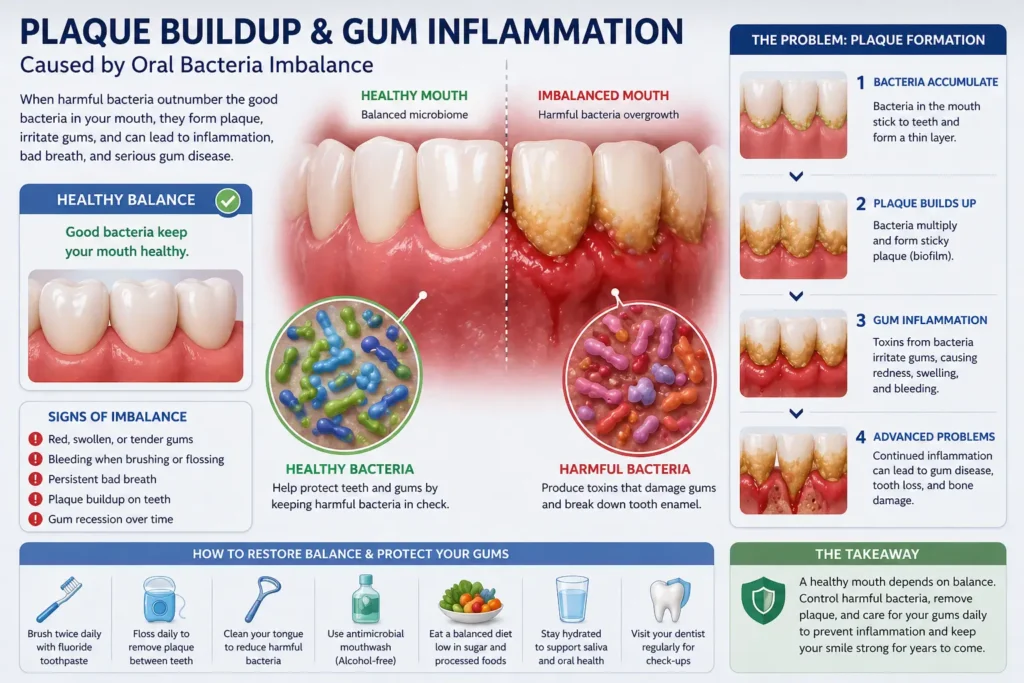
An imbalanced oral microbiome—often described as a shift in the normal mix of microorganisms in the mouth—does not always present as a single, clear-cut symptom. Instead, it may show up through a combination of subtle, everyday signs that are sometimes easy to overlook or attribute solely to surface-level hygiene. While these symptoms can have multiple causes, they are commonly associated with changes in bacterial balance within the oral environment.
Persistent bad breath is one of the most noticeable indicators. This is often linked to certain bacteria that break down food particles and proteins, producing sulfur-containing compounds as a byproduct. When these odor-producing bacteria become more dominant, the result may be ongoing bad breath—even after brushing. In this context, the issue is less about leftover food and more about the type of bacteria present and how they interact. Learn more about common causes of bad breath →
Bleeding or sensitive gums may also suggest a shift in the oral microbiome. Some bacterial species are commonly associated with inflammatory responses in gum tissue. When these bacteria increase in number, they may trigger irritation along the gumline, especially during brushing or flossing. Over time, this may lead to recurring sensitivity, which reflects not only mechanical irritation but also the body’s response to microbial imbalance.
Dry mouth is another factor that may both reflect and contribute to microbiome disruption. Saliva plays a role in regulating bacterial populations by helping to wash away debris and maintain a stable environment. When saliva production is reduced, certain bacteria may accumulate more easily. This can create conditions where imbalance persists, often accompanied by changes in breath quality or overall oral comfort.
Plaque buildup provides a more visible example. Plaque is a biofilm formed by communities of bacteria that adhere to the tooth surface. When the microbiome shifts toward species that favor rapid growth and adhesion, plaque may form more quickly or become more difficult to manage. This is not simply a matter of cleanliness, but also of how bacterial populations behave within that environment. Learn how daily habits influence plaque buildup →
It is important to note that these signs may vary between individuals. Some people may experience only one symptom, while others notice a combination. In many cases, these changes develop gradually, reflecting ongoing shifts in the oral microbiome rather than a sudden imbalance. Understanding these patterns may help provide a broader perspective on oral health beyond daily brushing alone.
How to Support a Healthy Oral Microbiome
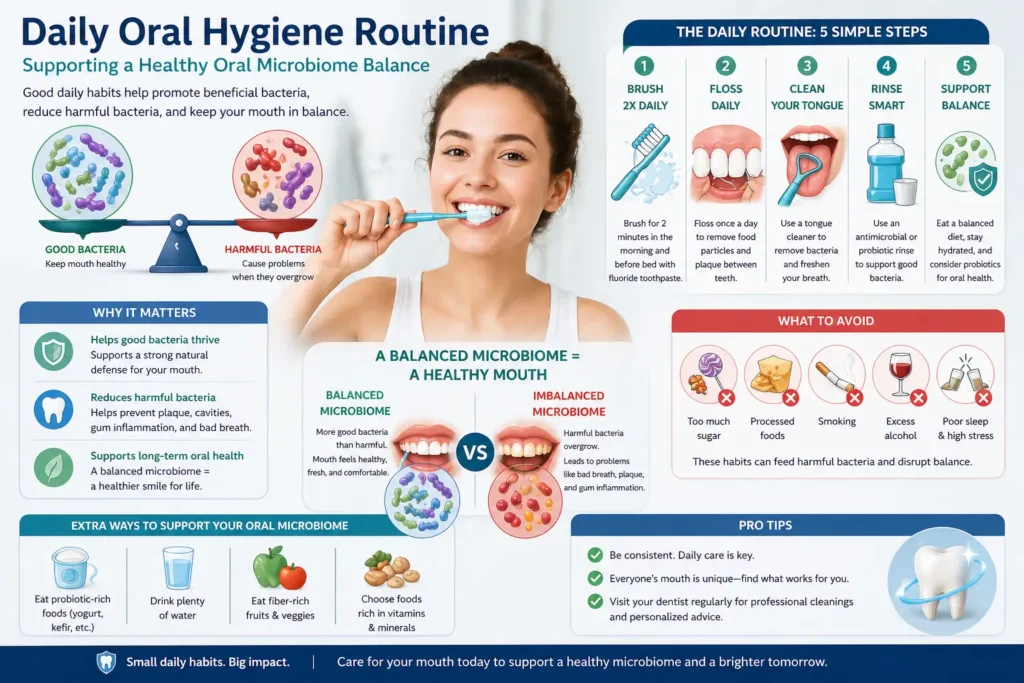
Supporting a balanced oral microbiome often involves a combination of consistent daily habits, dietary choices, and, in some cases, additional internal support. Rather than focusing on eliminating bacteria entirely, the goal is generally to maintain an environment where beneficial and neutral microbes can coexist while limiting the overgrowth of those commonly linked to oral concerns. This broader approach may help explain why long-term oral health is often associated with routine, lifestyle, and internal balance—not just surface-level cleaning.
1. Daily Habits: Building a Stable Foundation
Basic oral hygiene practices remain an essential starting point. Brushing and flossing help disrupt bacterial biofilms that naturally form on teeth and along the gumline. By regularly removing this buildup, these habits may help prevent certain bacteria from becoming overly dominant. However, their role is not to sterilize the mouth, but rather to keep microbial populations in check.
Hydration is another often overlooked factor. Saliva plays a role in maintaining balance by washing away food particles, neutralizing acids, and supporting a stable oral environment. When hydration is low or saliva production is reduced, bacteria may accumulate more easily. In everyday terms, this is why dry mouth is often associated with changes in breath or increased plaque buildup. Drinking water regularly throughout the day may help support these natural processes.
2. Diet: Influencing the Microbial Environment
Diet can influence which types of bacteria are more likely to thrive. See how everyday food choices may impact oral health and bacterial balance → Diets high in sugar and refined carbohydrates may favor bacteria that produce acids, which can alter the oral environment and contribute to imbalance over time. Reducing the frequency of sugary snacks and beverages may help limit this effect, especially when combined with consistent oral hygiene.
At the same time, foods rich in fiber—such as vegetables, fruits, and whole grains—may support a more balanced environment. These foods often require more chewing, which can stimulate saliva flow, and they may provide nutrients that support overall oral and digestive health. Some people also include fermented or probiotic-containing foods, such as yogurt or kefir, as part of their routine. These foods are commonly associated with supporting microbial diversity, although their direct impact on the oral microbiome may vary depending on individual factors.
3. Internal Support: Considering Supplements
In addition to diet and hygiene, some people choose to explore supplements designed to support oral or general microbial balance. These may include oral probiotics or formulations containing plant extracts, minerals, or other compounds commonly associated with maintaining a healthy environment in the mouth. See a comparison of commonly discussed oral health supplements →
The idea behind these approaches is that certain ingredients may help support the presence of beneficial bacteria or create conditions that are less favorable for imbalance. However, responses can vary between individuals, and supplements are typically used as a complement to—not a replacement for—daily habits and dietary choices.
In practical terms, supporting the oral microbiome often comes down to consistency. Small, everyday actions—such as maintaining a regular hygiene routine, making mindful dietary choices, and staying hydrated—may collectively contribute to a more stable and balanced oral environment over time.
Do Oral Health Supplements Work?
Oral health supplements are typically designed to support aspects of oral wellness from within, rather than relying only on external care such as brushing or flossing. Many of these products focus on helping maintain a balanced oral microbiome, which refers to the community of bacteria that naturally lives in the mouth. Instead of trying to eliminate bacteria completely, the goal is usually to support a healthier balance between beneficial bacteria and microbes that may contribute to issues such as bad breath, plaque buildup, or gum sensitivity.
A common category within oral health supplements is oral probiotics. These are specific probiotic strains intended to support microbial balance in the mouth. Some research suggests that certain probiotic strains may be associated with breath freshness and gum health, although results can vary depending on the strain, dosage, product quality, and individual oral health status. This is why not every supplement works the same way for every person.
Many oral health supplements also include minerals and plant-based ingredients. Zinc, for example, is commonly used in oral care because it may help manage odor-causing compounds in the mouth. Herbal extracts such as peppermint, clove, or myrrh are often included for their traditional use in supporting oral hygiene and maintaining a cleaner mouthfeel. These ingredients may add supportive value, but they should be viewed as part of a broader routine rather than a complete solution on their own.
It is important to understand that oral health supplements are not a replacement for brushing, flossing, or regular dental checkups. Daily oral hygiene remains the foundation of healthy teeth and gums. Supplements may serve as an additional layer of support, especially for people who are interested in addressing internal factors such as bacterial balance, saliva quality, and long-term mouth environment.
Results can vary widely from person to person. Consistency, diet, hydration, oral hygiene habits, and existing dental concerns may all influence the outcome. Some people may notice gradual improvements over time, while others may experience more subtle changes. For this reason, oral health supplements are best viewed as supportive tools that may work alongside a complete oral care routine, rather than standalone treatments.
Common Ingredients Used in Oral Microbiome Support
A range of ingredients is commonly discussed in relation to oral microbiome support. These are typically included in foods, oral care products, or dietary supplements and are selected for their potential to influence the balance of microorganisms in the mouth. While individual responses can vary, understanding what these ingredients are and how they are generally used can help provide context for their role in everyday oral health routines.
Oral Probiotics
Oral probiotics are strains of beneficial bacteria formulated to survive in the mouth rather than the gut. They are commonly used with the aim of supporting microbial balance by introducing or reinforcing populations of bacteria associated with a healthier oral environment. In theory, these bacteria may compete with species commonly linked to issues such as bad breath or plaque formation, potentially helping to limit their overgrowth. Some people use probiotic lozenges or chewable tablets as part of their routine, particularly when looking to complement standard hygiene practices.
Zinc
Zinc is a mineral that plays a role in various biological processes, including immune function and tissue maintenance. In oral health contexts, it is commonly used for its ability to interact with sulfur compounds, which are often associated with unpleasant breath. By binding to these compounds, zinc may help reduce odor at a chemical level. It is also sometimes included in oral care formulations for its potential to influence bacterial activity, although its effects are generally considered supportive rather than transformative on their own.
Herbal Extracts
A variety of herbal extracts are used in oral health products, including ingredients such as green tea extract, peppermint oil, or clove. These plant-derived compounds are commonly associated with antimicrobial or soothing properties. In the context of the oral microbiome, certain herbal extracts may help create conditions that are less favorable for the overgrowth of specific bacteria, while also contributing to overall comfort in the mouth. For example, some extracts are traditionally used to support gum health or reduce irritation, which may indirectly relate to microbial balance.
Prebiotics
Prebiotics are non-digestible compounds—often types of fiber—that serve as a food source for beneficial bacteria. While they are more widely discussed in relation to gut health, some formulations include prebiotic ingredients with the aim of supporting microbial diversity in the mouth as well. By providing nutrients that beneficial bacteria can utilize, prebiotics may help encourage a more stable and balanced environment over time. However, their role in oral health is still an area of ongoing research, and their effects may depend on broader factors such as diet and overall hygiene practices.
Taken together, these ingredients are typically viewed as complementary approaches to supporting the oral microbiome. Rather than acting as standalone solutions, they are often considered part of a broader strategy that includes consistent hygiene habits and lifestyle factors.
Who May Consider Focusing on Oral Microbiome Support?
Interest in the oral microbiome has grown as more people look beyond surface-level cleaning and consider how internal balance may influence everyday oral health. While this approach is not limited to any one group, there are certain situations where individuals may choose to pay closer attention to microbial balance in the mouth.
For example, people who experience recurring bad breath despite regular brushing and flossing may consider this perspective. In some cases, persistent odor is associated with specific bacteria that produce sulfur compounds. When these bacteria become more dominant, surface cleaning alone may not fully address the underlying cause. Focusing on microbial balance may help provide a broader context for why this issue continues over time.
Those with gum sensitivity or occasional bleeding may also explore this area. Gum tissue can respond to changes in bacterial populations, particularly when certain species associated with inflammation are present in higher amounts. While sensitivity can have multiple causes, including brushing technique or underlying conditions, it is commonly linked to how the oral microbiome interacts with the immune system at the gumline.
Beyond addressing specific concerns, some individuals are simply interested in long-term oral health. This includes people who want to maintain a stable environment in the mouth as part of their overall wellness routine. In this context, the focus is less on immediate symptom relief and more on supporting consistent habits that may contribute to balance over time.
At the same time, it is important to maintain realistic expectations. Changes related to the oral microbiome are typically gradual and may not produce immediate or noticeable results. Individuals looking for quick fixes may find this approach less aligned with their expectations, as microbial balance often reflects cumulative lifestyle patterns rather than short-term interventions.
Overall, focusing on the oral microbiome may be relevant for those seeking a more comprehensive view of oral health. However, outcomes can vary between individuals, and this approach is generally considered one part of a broader, long-term strategy rather than a standalone solution.
Key Insight: Why Balance Matters More Than Elimination
One of the most important shifts in understanding oral health is the idea that not all bacteria are harmful. Rather than focusing on eliminating microbes entirely, maintaining a balanced environment may be more relevant for long-term stability. This perspective helps explain why consistent habits and lifestyle factors are often associated with better outcomes than aggressive or short-term approaches alone.
Frequently Asked Questions
What is the oral microbiome?
Can bad breath be caused by bacteria?
How can I support a healthy oral microbiome?
Final Thoughts
Understanding the oral microbiome introduces a shift in perspective—from focusing solely on surface-level cleaning to considering the broader balance of microorganisms within the mouth. Brushing, flossing, and routine dental care remain essential, but they are only one part of a more complex system. The idea of balance, rather than complete elimination of bacteria, helps explain why some oral health concerns may persist even with consistent hygiene habits.
In real-life terms, the condition of the oral microbiome is often shaped by daily patterns—what you eat, how you care for your mouth, and even factors like hydration or stress. These influences tend to build gradually over time, which is why long-term consistency is commonly associated with more stable outcomes than short-term changes. Supporting oral health, in this context, may involve small, repeated habits rather than dramatic interventions.
As research into the oral microbiome continues to evolve, it highlights the importance of making informed, realistic decisions. Rather than looking for quick solutions, a balanced approach that combines good hygiene, thoughtful dietary choices, and awareness of internal factors may offer a more sustainable way to support oral health over time.
Related Guides
About the Author
Alex Morgan writes about oral wellness, focusing on gum health, oral hygiene routines, and ingredient-based supplement reviews. His work aims to present clear, practical insights to help readers better understand how daily habits and product choices may support long-term oral health.