
Our reviews use research, public data, user feedback, and strict editorial standards for accuracy, clarity, and transparency. Learn how we review products →
Bad breath, gum sensitivity, or plaque buildup can feel confusing when you already brush, floss, and use mouthwash regularly. For many people, these issues are not severe, but they can be persistent enough to raise an important question: if daily oral hygiene is in place, why does the mouth still feel out of balance?
The answer may involve more than brushing technique or toothpaste choice. Oral health is influenced by a wider oral environment inside the mouth, including saliva flow, bacterial balance in the mouth, food residue, acidity, and the nutrients your body uses to maintain healthy gums and tissues. This is where diet becomes especially important.
What you eat does not just pass through the mouth quickly. Sugary foods, refined carbohydrates, acidic drinks, and frequent snacking may affect the
oral microbiome — the community of bacteria and microorganisms that naturally live in the mouth. When this internal oral balance shifts, it may be associated with everyday concerns such as bad breath, gum irritation, plaque formation, and a less fresh-feeling mouth.
At the same time, a nutrient-rich diet may support a healthier oral environment by helping maintain saliva quality, gum resilience, and microbial balance. Foods that provide minerals, antioxidants, fiber, and hydration can play a practical role in supporting the mouth from the inside out.
This article explores how diet and oral health are connected, why the oral microbiome matters, and how everyday food choices may influence common symptoms like bad breath, gum sensitivity, and plaque buildup. You can also explore our oral health supplements guide to see how different approaches may support oral balance.
Editorial note: This article is written for educational purposes and is based on current understanding of diet, oral microbiome balance, and oral health relationships. It should not replace professional dental advice, diagnosis, or treatment.
How Diet Affects Oral Health
The mouth is more than just a set of teeth — it is a dynamic mouth ecosystem made up of soft tissues, saliva, and a diverse community of microorganisms. This environment, often referred to as the oral microbiome, constantly responds to what you eat and drink. While brushing and flossing help manage surface-level buildup, diet plays an ongoing role in shaping the internal conditions of the mouth.
Every time food enters the mouth, it interacts with oral bacteria. Some foods, particularly those high in sugar or refined carbohydrates, may feed certain bacteria that produce acids as a byproduct. These acids can influence the overall balance of the oral environment and are commonly linked to
plaque buildup, gum irritation, and bad breath. In real life, this might look like a dry or coated feeling in the mouth after frequent snacking on sweets, even when oral hygiene habits are consistent.
At the same time, the mouth relies on saliva to help maintain balance. Saliva is not just moisture — it helps neutralize acids, wash away food particles, and support a stable microbial environment. Diet can influence how effectively this system works. For example, staying hydrated and consuming fiber-rich foods may support saliva flow, while frequent intake of sugary drinks or alcohol may contribute to dryness, which can affect bacterial balance and lead to symptoms like bad breath.
pH balance is another key factor connecting diet to oral health. The mouth naturally maintains a slightly neutral pH, which supports a balanced microbiome. However, acidic foods and beverages — such as soda, citrus juices, or energy drinks — may temporarily lower this pH. When this happens frequently throughout the day, it can create conditions that are commonly associated with enamel wear, plaque formation, and increased sensitivity.
Understanding this relationship helps explain why oral health is not only about cleaning the teeth, but also about supporting a balanced environment. Some people also explore broader approaches such as oral health supplements to support internal balance. Diet influences the oral microbiome, which in turn may affect everyday symptoms such as bad breath, gum discomfort, and plaque buildup.
How Diet Influences the Oral Microbiome
The oral microbiome is the community of bacteria and other microorganisms that naturally live in the mouth. Diet influences this oral environment because food particles, sugars, acids, and nutrients change the conditions bacteria are exposed to every day. Over time, these changes may affect whether the mouth stays relatively balanced or becomes more prone to symptoms such as bad breath, plaque buildup, gum sensitivity, and enamel concerns.
1. Bacterial Growth
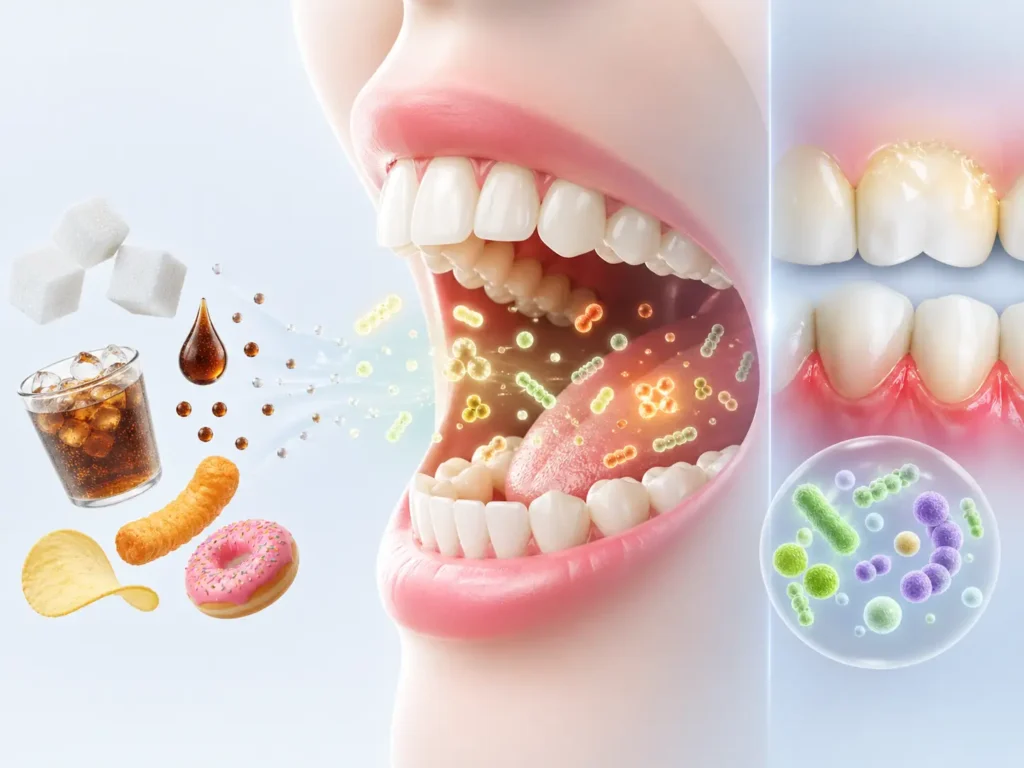
Sugar and refined carbohydrates may fuel certain oral bacteria. When foods such as candy, sweet drinks, white bread, pastries, or frequent snack foods remain in the mouth, bacteria can use those carbohydrates as an energy source. As they break them down, some bacteria produce acids as a byproduct.
This matters because repeated acid exposure may weaken the enamel environment over time. In real life, sipping soda throughout the day or snacking on sugary foods between meals can keep the mouth in a more acidic state for longer periods. This may contribute to plaque formation, tooth sensitivity, and a higher risk of enamel wear.
2. Microbial Balance
A balanced oral microbiome means that different microorganisms coexist without one group becoming overly dominant. This balance may help support fresher breath, healthier gums, and a cleaner-feeling mouth. An imbalanced microbiome, on the other hand, may allow odor-producing or plaque-forming bacteria to become more active.
Processed foods may influence this balance because they are often high in refined starches, added sugars, and low in fiber. These foods may leave behind residues that support less desirable bacterial activity. Over time, this may help explain why some people still experience bad breath or plaque buildup even when they brush regularly.
3. Inflammation and Immune Response
Diet may also influence how the gums respond to irritation. The gums are living tissue, and their ability to stay resilient depends partly on nutrients that support normal immune function and tissue repair. Diets low in nutrient-dense foods may make it harder for the mouth to maintain healthy gum tissue.
At the same time, diets consistently high in sugary, highly processed foods may be associated with inflammatory patterns in the body. In the mouth, this may show up as gums that feel more sensitive, irritated, or prone to bleeding during brushing. While diet is not the only factor, it can be one part of the larger picture connecting the oral microbiome to long-term oral health.
Foods That May Negatively Affect Oral Health
Certain foods and drinks may influence oral health not just by increasing the risk of cavities, but by shaping the overall environment of the mouth. These effects often involve how diet interacts with the oral microbiome, saliva, and pH balance. Over time, these factors may contribute to common concerns such as bad breath, plaque buildup, and gum sensitivity.
Sugary Foods and Drinks
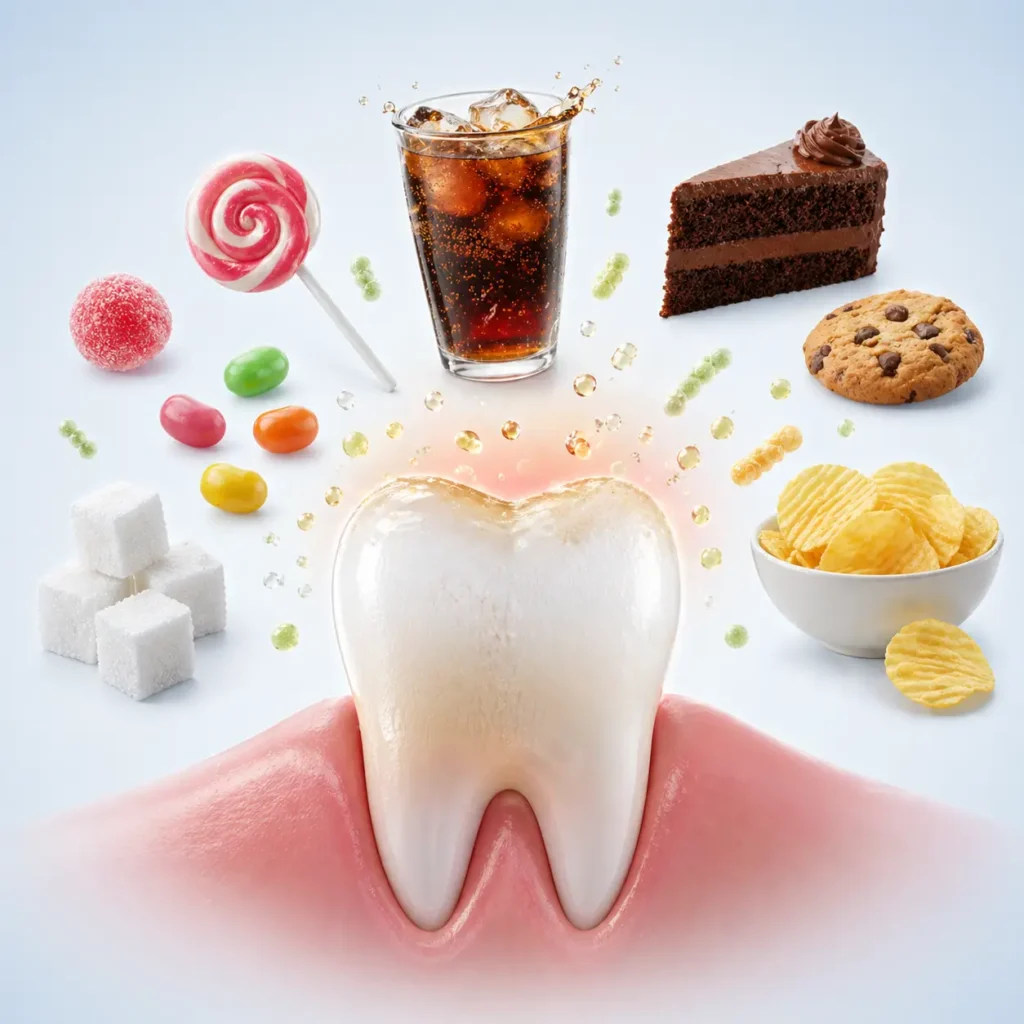
Sugary foods and beverages provide a readily available energy source for certain oral bacteria. When bacteria break down sugars from items like candy, soft drinks, sweetened coffee, or desserts, they may produce acids as a byproduct. This process can temporarily shift the mouth toward a more acidic environment.
In real life, frequent snacking or sipping sugary drinks throughout the day may prolong this acidic state. This matters because repeated acid exposure may weaken enamel and support the formation of plaque. It may also contribute to bad breath, as some bacteria associated with sugar metabolism produce odor-related compounds. Even with regular brushing, frequent sugar intake may continue to influence bacterial activity between cleanings.
Acidic Beverages (Soda, Citrus Drinks)
Acidic drinks such as soda, energy drinks, and citrus juices directly affect the pH level in the mouth. These beverages can lower oral pH shortly after consumption, creating conditions that may be less supportive of enamel stability.
This is particularly relevant when consumed often or slowly over time, such as sipping lemon water or soda throughout the day. Repeated exposure may contribute to gradual enamel wear and increased tooth sensitivity. In addition, an acidic environment may influence which bacteria thrive in the mouth, potentially contributing to imbalances linked to plaque buildup and an “off” taste or breath.
Ultra-Processed Foods
Ultra-processed foods — such as packaged snacks, chips, crackers, and ready-to-eat baked goods — often contain refined starches and added sugars. These foods tend to break down quickly in the mouth and may stick to the teeth, providing a longer-lasting food source for bacteria.
This matters because prolonged contact between these residues and oral bacteria may support microbial activity that contributes to plaque formation. In everyday terms, foods that feel dry, sticky, or easy to chew quickly may linger in the mouth more than whole foods. Over time, a diet high in ultra-processed items may be associated with an oral environment that feels less clean, with increased plaque, mild gum irritation, or persistent bad breath.
Foods That May Support Oral Health
While some foods may disrupt the balance of the mouth, others may help support a more stable oral environment. These effects are not limited to preventing cavities. Instead, they relate to how diet influences saliva flow, bacterial balance, and the condition of gum tissue. Over time, these factors may contribute to how the mouth feels day to day, including freshness, comfort, and plaque buildup.
Fiber-Rich Foods
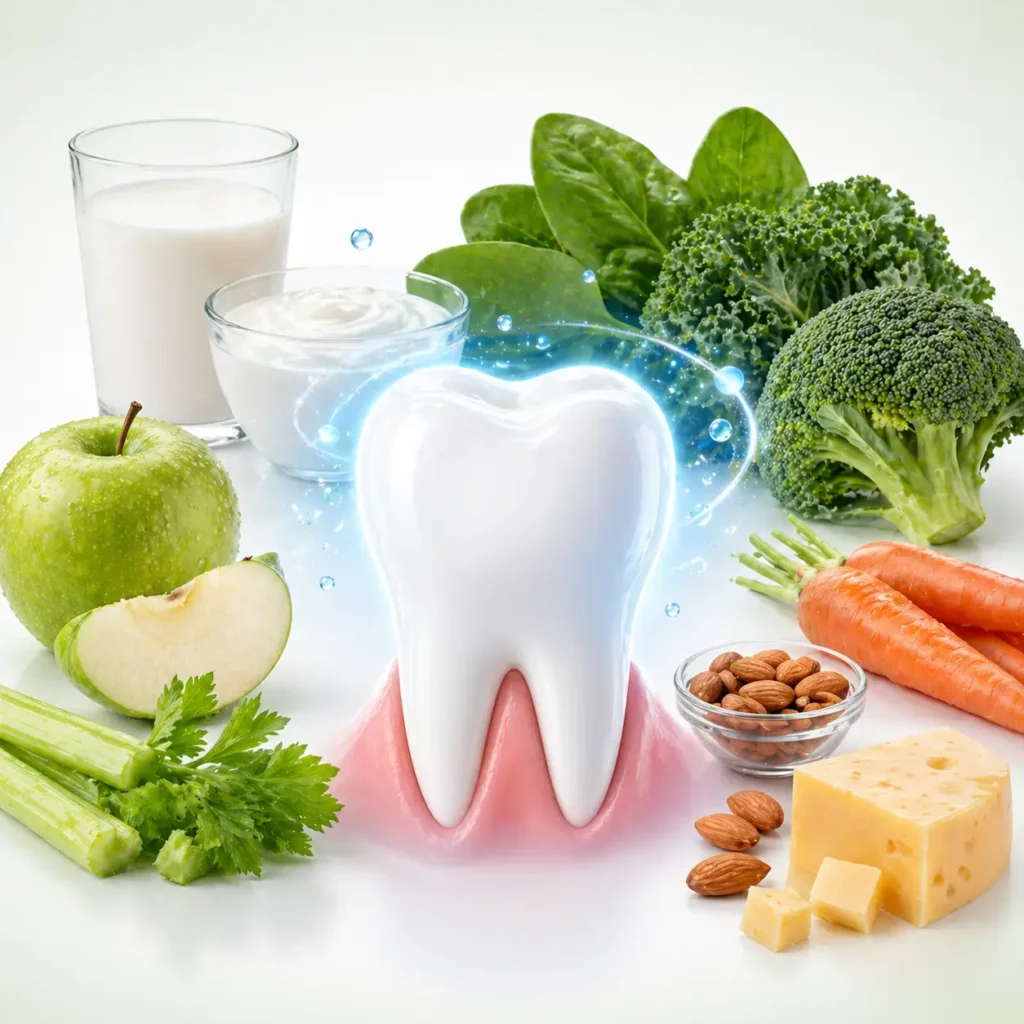
Fiber-rich foods such as vegetables, fruits, and whole grains require more chewing, which naturally stimulates saliva production. Saliva plays an important role in maintaining oral balance by helping wash away food particles and supporting a more neutral pH environment.
In practical terms, eating foods like apples, carrots, celery, or leafy greens may help the mouth feel cleaner after meals. Increased saliva flow may also make it more difficult for odor-causing bacteria to thrive. Over time, this may be associated with reduced plaque buildup and a fresher-feeling mouth, especially when compared to diets high in soft, processed foods that require minimal chewing.
Calcium-Rich Foods
Calcium-rich foods, including dairy products like milk, yogurt, and cheese, as well as plant-based sources such as almonds and leafy greens, provide minerals that are commonly associated with maintaining tooth structure. These nutrients may help support the natural processes that keep teeth strong.
Beyond minerals, some dairy products may also help buffer acids in the mouth. For example, eating cheese after a meal may help raise oral pH levels slightly, which can support a more balanced environment. This may be relevant for individuals who frequently consume acidic or sugary foods, as it may help reduce the overall impact on enamel and bacterial activity.
Foods with Polyphenols and Antioxidants
Certain foods and beverages, such as green tea, berries, cocoa, and herbs, contain polyphenols and antioxidants. These compounds are commonly studied for their potential role in supporting overall health, including how the body responds to oxidative stress and inflammation.
In the context of oral health, these compounds may help influence how bacteria behave in the mouth. For example, drinking unsweetened green tea or consuming berries may be associated with a more balanced microbial environment. This could play a role in supporting gum comfort and reducing the buildup of odor-related compounds. While these effects are not immediate or guaranteed, they may contribute to long-term oral balance when included as part of a consistent, varied diet.
How Diet May Contribute to Bad Breath
Bad breath, often described as a persistent “off” or unpleasant odor, is commonly linked to how bacteria in the mouth interact with food particles. The mouth naturally contains many types of bacteria, and these microorganisms continuously break down leftover food debris, proteins, and cells. This process is normal, but certain dietary patterns may influence how strongly these odors develop.
When bacteria break down food particles — especially proteins — they may release compounds known as volatile sulfur compounds (VSCs). These compounds are commonly associated with noticeable breath odor. In everyday situations, this might explain why breath feels stronger after eating foods like garlic, onions, or protein-rich meals. It is not only the food itself, but also how oral bacteria process these substances that contributes to the smell.
Diet can also influence which types of bacteria become more active. High-sugar diets, for example, may support bacteria that produce acids and contribute to plaque buildup. As plaque accumulates, it can create an environment where odor-producing bacteria thrive. Over time, this may lead to a coated tongue or a lingering taste, both of which are commonly linked to bad breath.
High-protein diets may have a different effect. When protein intake is elevated, there may be more protein residues available for bacterial breakdown, which can increase the production of sulfur-related compounds. This does not mean protein is harmful, but it highlights how dietary balance may influence oral conditions.
Hydration also plays a key role. Saliva helps wash away food particles and dilute odor-causing compounds. When fluid intake is low or when the mouth becomes dry — such as after drinking alcohol, consuming caffeine, or going long periods without eating — saliva flow may decrease. This can allow bacteria and their byproducts to accumulate more easily, contributing to stronger breath odor.
Overall, diet may influence bad breath through a chain of effects: what you eat affects bacterial activity, which in turn affects the types of compounds produced in the mouth. This connection helps explain why breath freshness is not only about brushing, but also about supporting a balanced oral environment and bacterial balance in the mouth through everyday dietary choices.
How Diet May Affect Gum Health
Gum health is often thought of as a local issue related to brushing and flossing, but the condition of the gums is also influenced by internal factors, including diet. The gums are living tissue that rely on a steady supply of nutrients and a balanced immune response to remain resilient. This means that what you eat may shape not only the oral microbiome, but also how gum tissue responds to everyday stressors such as plaque and bacterial exposure.
One key factor is inflammation. Certain dietary patterns — particularly those high in added sugars and ultra-processed foods — are commonly associated with increased inflammatory responses in the body. In the mouth, this may affect how the gums react to bacterial buildup. For example, when plaque accumulates along the gumline, an imbalanced oral microbiome combined with a pro-inflammatory diet may contribute to gums that feel tender, swollen, or more prone to bleeding during brushing. This helps explain why two people with similar oral hygiene habits may experience different gum sensitivity based on their overall diet.
Nutrient intake also plays a role. Vitamins and minerals such as vitamin C, vitamin D, and zinc are commonly associated with tissue repair and immune support. When the diet lacks these nutrients, the body may have a reduced ability to maintain healthy gum tissue. In real life, this might present as gums that take longer to recover from minor irritation or that appear more sensitive over time. While deficiencies are not always obvious, they may subtly influence how the gums respond to everyday bacterial exposure.
Diet also interacts with the oral microbiome, which in turn affects gum health. A diet high in sugars and refined carbohydrates may support bacteria that contribute to plaque formation along the gumline. This buildup can act as a trigger for irritation, especially when combined with other factors like dry mouth or inconsistent cleaning. Over time, this connection between diet, microbial balance, and gum response may contribute to persistent symptoms such as bleeding gums or a feeling of discomfort.
Understanding gum health as part of a broader system highlights why oral care is not only about cleaning the teeth. Diet influences the internal environment that supports gum tissue, which may help explain ongoing sensitivity or inflammation even when oral hygiene routines are in place.
Everyday Dietary Habits That May Influence Oral Health
Oral health is not shaped by single foods alone, but by daily habits around how and when you eat and drink. These patterns influence the oral microbiome, saliva flow, and pH balance throughout the day. Over time, small habits may help explain why some people experience ongoing issues like bad breath, plaque buildup, or gum sensitivity even with regular brushing.
Frequency of Eating
Eating frequently, especially through constant snacking, may keep the mouth in a more active state. Each time food is consumed, oral bacteria begin breaking down particles, which may lead to acid production. When this happens repeatedly throughout the day, the mouth may have less time to return to a neutral state.
In real life, grazing on snacks or sipping sweetened drinks between meals may contribute to a longer period of bacterial activity. This may support plaque formation and a feeling of buildup on the teeth. In contrast, spacing meals apart may allow saliva to help restore balance between eating periods.
Hydration and Saliva Production
Hydration plays a central role in oral health because saliva helps wash away food debris and dilute compounds produced by bacteria. When fluid intake is low, saliva production may decrease, leading to a drier oral environment.
This matters because dry conditions may allow odor-producing bacteria to accumulate more easily. In daily life, this might show up as morning breath, a dry or sticky feeling in the mouth, or stronger odors after coffee or alcohol. Drinking water regularly may help support a more balanced environment and reduce these effects.
Timing of Sugar Consumption
The timing of sugar intake may influence how strongly it affects the mouth. Consuming sugary foods as part of a main meal may have a different impact compared to frequent intake throughout the day. This is partly because saliva production tends to increase during meals, which may help buffer acids.
For example, having dessert after a meal may expose the teeth to sugar for a shorter, more contained period, while repeated snacking on sweets may extend exposure. This prolonged interaction between sugar and oral bacteria may be associated with plaque buildup and changes in breath quality.
Rinsing or Drinking Water After Meals
Simple habits such as drinking water or gently rinsing the mouth after eating may help reduce leftover food particles. This does not replace brushing, but it may support the mouth between cleaning routines.
In practical terms, taking a few sips of water after meals or snacks may help clear sugars and acids more quickly. Over time, this may contribute to a fresher-feeling mouth and help limit the conditions that allow bacteria to produce odor or plaque.
Together, these everyday habits highlight how diet influences oral health beyond food choices alone. Timing, frequency, and hydration all interact with the oral microbiome, shaping how the mouth feels and functions throughout the day.
Practical Tips for Supporting Oral Health Through Diet
Small, consistent dietary habits may help support a more balanced oral environment over time. Rather than focusing on strict rules, these practical tips highlight ways everyday choices may influence the oral microbiome, saliva flow, and common concerns such as bad breath, plaque buildup, and gum sensitivity.
1. Reduce the Frequency of Sugary Foods
It is not only the amount of sugar, but how often it is consumed that may affect oral health. Frequent exposure may allow bacteria to produce acids more continuously. Spacing out sugary foods or limiting between-meal snacking may give the mouth time to return to a more neutral state.
2. Choose More Whole, Fiber-Rich Foods
Foods like vegetables, fruits, and whole grains require more chewing, which may help stimulate saliva production. This can support the natural cleaning process of the mouth and may reduce the buildup of food particles that contribute to plaque and odor.
3. Stay Consistently Hydrated
Drinking water throughout the day may help maintain saliva flow, which plays a role in washing away debris and diluting compounds produced by bacteria. In daily life, this may help reduce dry mouth and support fresher breath.
4. Limit Constant Snacking
Frequent snacking may keep the oral microbiome in a more active state, as bacteria continuously break down food particles. Allowing time between meals may support a more balanced environment and reduce prolonged acid exposure.
5. Be Mindful with Acidic Drinks
Beverages such as soda, citrus juices, or energy drinks may lower oral pH temporarily. Consuming them with meals instead of sipping over long periods may help limit their impact on enamel and bacterial balance.
6. Rinse or Drink Water After Eating
Simple habits like drinking water after meals may help clear leftover sugars and acids from the mouth. This may support the oral microbiome between brushing routines and contribute to a cleaner-feeling mouth.
7. Include Nutrient-Dense Foods Regularly
Foods rich in vitamins and minerals, such as leafy greens, dairy products, nuts, and seeds, may support gum tissue and overall oral conditions. Over time, consistent intake may be associated with better resilience of the gums and reduced sensitivity.
These habits are not meant to replace oral hygiene, but they may complement it. Together, they highlight how diet and daily routines interact with the oral microbiome, shaping common outcomes such as breath freshness, plaque levels, and gum comfort.
Where Oral Health Supplements May Fit In
Oral health supplements are products designed to support the internal environment of the mouth. They may include ingredients such as probiotics (beneficial bacteria), minerals like calcium or zinc, and plant-based compounds often described as herbs or botanical extracts. Unlike toothpaste or mouthwash, which work directly on the surface, these supplements are typically taken orally and are intended to support the mouth from within.
The idea behind these supplements is linked to the oral microbiome and overall nutrient balance. Probiotic-based formulas, for example, are designed to introduce or support beneficial bacteria that may help maintain a more balanced microbial environment. This balance may be associated with fresher breath, less buildup on the teeth, and improved gum comfort. Similarly, minerals and plant compounds are often included because they are commonly linked to tissue support, antioxidant activity, or general oral conditions.
In real-life terms, some people consider supplements when they notice ongoing issues such as persistent bad breath, mild gum sensitivity, or a feeling that their oral health is not fully improving despite consistent brushing and flossing. In these cases, supplements are sometimes used as an additional approach to support internal factors that may influence the mouth, including saliva quality, bacterial balance, and nutrient intake.
However, it is important to understand that oral health supplements are not a replacement for basic oral hygiene or a balanced diet. Brushing, flossing, and regular dental care remain essential for managing plaque and maintaining overall oral health. Supplements are generally positioned as a complementary option rather than a primary solution.
Results may also vary depending on individual factors such as diet, existing oral conditions, and consistency of use. While some people may notice gradual improvements in how their mouth feels, others may experience minimal or no noticeable change. This variability highlights the importance of viewing supplements as one part of a broader approach to oral health rather than a standalone answer.
Some people explore additional ways to support oral balance beyond daily habits, especially when dealing with persistent concerns like bad breath or gum sensitivity.
To better understand how different supplement approaches compare, you can explore our oral health supplements guide, which outlines common ingredients and how they may support oral balance.
Frequently Asked Questions About Diet and Oral Health
Why do I still have bad breath even after brushing?
Can diet help improve bad breath naturally?
Can diet affect bad breath even if I brush regularly?
What foods are commonly linked to oral health issues?
Does sugar affect gums or just teeth?
Can drinking more water improve oral health?
Is it better to eat sweets with meals or between meals?
Do acidic drinks affect oral health even without sugar?
Can diet influence gum sensitivity or bleeding?
Are oral health supplements necessary?
Conclusion: Diet as Part of the Oral Health Picture
Oral health is shaped by more than brushing and flossing alone. It reflects a combination of external care and internal factors, including diet, hydration, and the balance of the oral microbiome. What you eat influences the internal oral conditions inside the mouth — from bacterial activity and pH levels to saliva production and gum response — all of which may be associated with everyday concerns such as bad breath, plaque buildup, and gum sensitivity.
At the same time, diet is only one part of a broader routine. Consistent oral hygiene, regular dental checkups, and lifestyle habits all play important roles in maintaining a stable oral environment. Dietary choices may support this process by helping create conditions that are less favorable for harmful bacterial overgrowth and more supportive of overall balance.
Rather than focusing on single foods, it may be more useful to consider long-term patterns. Balanced meals, adequate hydration, and mindful eating habits can work alongside daily oral care to support how the mouth feels and functions over time, including factors related to the oral microbiome and everyday concerns like bad breath. This broader perspective helps connect diet to oral health in a practical, sustainable way.
About the Author
Alex Morgan writes about oral wellness, focusing on gum health, oral hygiene routines, and ingredient-based supplement reviews. His work aims to present clear, practical insights to help readers better understand how daily habits and product choices may support long-term oral health.