
Our reviews use research, public data, user feedback, and strict editorial standards for accuracy, clarity, and transparency. Learn how we review products →
Oral health is often associated with brushing, flossing, and regular dental care, but researchers increasingly recognize that the mouth is also influenced by a complex internal environment. Factors such as oral bacteria, saliva balance, diet, and nutrient intake may all play a role in maintaining a healthier oral ecosystem over time. Among the nutrients commonly discussed in relation to oral wellness, zinc is one of the most widely studied.
Zinc is an essential mineral involved in numerous biological processes throughout the body, including immune function, tissue maintenance, and cellular repair. In oral health research, zinc is often discussed in relation to fresh breath, gum health, and the balance of bacteria inside the mouth. Researchers have explored how zinc compounds may interact with sulfur-producing bacteria that are commonly associated with unpleasant breath odors. This may help explain why zinc is frequently included in oral wellness discussions and dental hygiene formulations.
Beyond breath concerns, zinc is also commonly associated with maintaining healthy oral tissues and supporting the body’s natural defense mechanisms. Some researchers have explored whether zinc may support a more balanced oral microbiome — the community of microorganisms that naturally live inside the mouth. When this balance becomes disrupted, it may contribute to issues such as persistent bad breath, plaque buildup, or gum irritation.
While brushing and flossing remain important, oral wellness may involve more than surface-level hygiene alone. Increasingly, experts discuss the importance of supporting overall oral balance through daily habits, nutrition, and long-term lifestyle factors that may influence the environment inside the mouth.

- Zinc is commonly discussed in relation to fresh breath and gum health.
- Researchers have explored zinc’s role in oral microbiome balance.
- Oral wellness may involve more than brushing alone.
- Balanced nutrition and daily hygiene habits remain important.
What Is Zinc?
Zinc is an essential mineral that the body needs in small amounts to support a wide range of biological functions. Although it is often discussed in relation to immune health, zinc is involved in hundreds of cellular processes throughout the body, including tissue maintenance, cell growth, wound healing, and enzyme activity. Because the body does not naturally store large amounts of zinc, it must be obtained regularly through food or other dietary sources.
Researchers have explored zinc’s role in supporting normal immune function and healthy inflammatory responses. It is also commonly associated with tissue repair and cellular communication, both of which are important for maintaining the health of the skin, gums, and other soft tissues inside the mouth. Since oral tissues are exposed daily to bacteria, food particles, acidity, and mechanical stress from chewing, minerals such as zinc may help support the body’s natural maintenance processes within the oral environment.
In oral wellness discussions, zinc is often mentioned alongside factors such as bad breath, gum comfort, saliva balance, and oral bacteria. Some researchers have explored whether zinc may help support a healthier oral environment by interacting with compounds produced by certain bacteria in the mouth. Oral health is increasingly viewed as more than surface-level hygiene alone, and many experts now discuss the importance of maintaining a balanced internal oral ecosystem. For a deeper overview of how bacteria and microbial balance may influence oral wellness, see this guide on oral microbiome balance.
Zinc occurs naturally in a variety of foods, including seafood, red meat, beans, nuts, seeds, dairy products, and whole grains. In addition to dietary sources, zinc is also available in supplements and is commonly included in oral care products such as toothpaste, mouthwash, and lozenges. Researchers continue to study how zinc may support oral wellness as part of a broader approach that includes nutrition, hydration, oral hygiene habits, and overall lifestyle factors.

Why Zinc Is Commonly Discussed in Oral Health
Oral health involves more than simply keeping teeth clean. Researchers increasingly view the mouth as a complex biological environment influenced by bacteria, saliva composition, diet, hydration, and everyday lifestyle habits. Within this environment, maintaining balance is often considered important for supporting fresh breath, healthy gums, and overall oral comfort. Because of its biological functions and interactions within the mouth, zinc is commonly discussed in relation to oral wellness.
The mouth naturally contains a wide variety of bacteria, many of which play a normal role within the oral microbiome. However, when the balance of these microorganisms shifts, certain bacteria may become more dominant. Researchers have explored how this imbalance may contribute to issues commonly associated with oral discomfort, including unpleasant breath odors, plaque accumulation, and gum irritation. In particular, sulfur-producing bacteria are often discussed in relation to oral freshness because they can release volatile sulfur compounds during the breakdown of food particles and proteins inside the mouth.
Zinc has been studied in oral care research because of the way it may interact with sulfur compounds linked to bad breath discussions. This is one reason zinc is commonly included in oral care products such as toothpaste, mouthwash, chewing gum, and lozenges. Researchers have explored whether zinc-containing formulations may help support a fresher-feeling oral environment by influencing compounds associated with odor production. At the same time, zinc is also often discussed in relation to saliva and oral moisture, both of which are important for maintaining balance within the mouth.
Saliva plays an essential role in oral wellness by helping wash away debris, supporting pH balance, and interacting with bacteria throughout the oral environment. When saliva flow becomes reduced, the mouth may become more vulnerable to bacterial imbalance and dryness-related discomfort. Because zinc is involved in normal cellular function and tissue maintenance, some researchers have explored whether it may help support healthy oral tissues and overall oral balance as part of broader oral hygiene and nutrition practices.
Discussions surrounding gum health and plaque also frequently include zinc. Plaque is a naturally occurring biofilm made up of bacteria and other substances that accumulate on tooth surfaces over time. While plaque formation itself is normal, researchers continue to explore how oral hygiene habits, bacterial balance, and nutritional factors may influence how the oral environment responds over time. Zinc is often discussed within this broader context rather than as a standalone solution.
Importantly, oral wellness is influenced by many interconnected factors. Daily brushing and flossing remain foundational habits, but nutrition, hydration, saliva balance, stress, smoking, sleep quality, and routine dental care may also play meaningful roles in maintaining a healthier oral environment over time.
How Zinc Is Commonly Linked to Fresh Breath
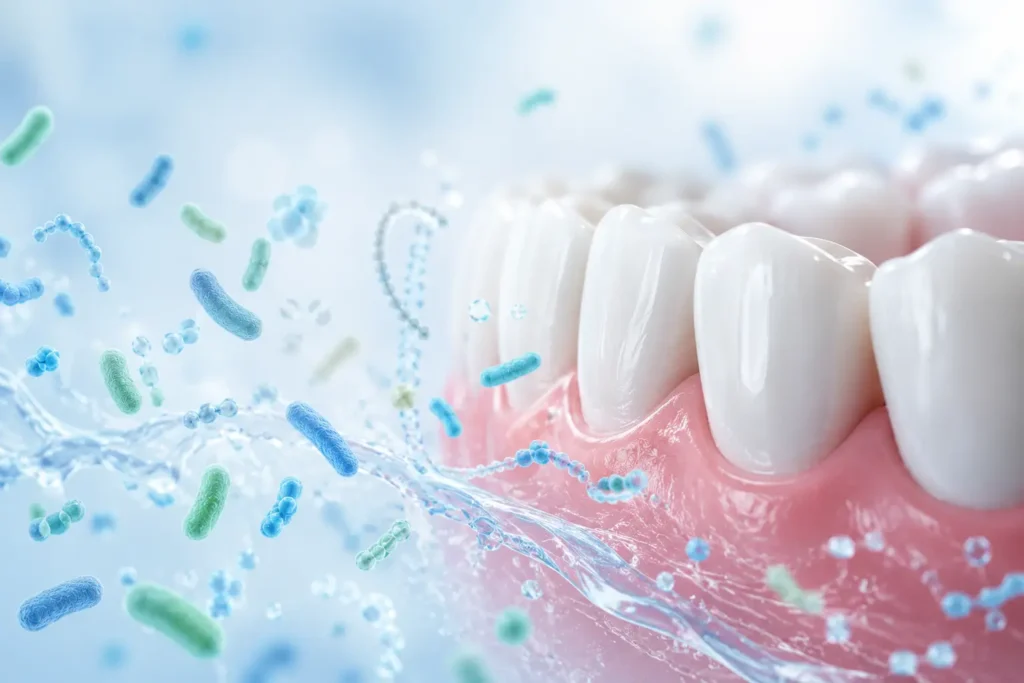
Bad breath, also known as halitosis, is a common oral health concern that can develop for many different reasons. In many cases, researchers believe it is linked to the activity of bacteria naturally present inside the mouth. These bacteria break down food particles, proteins, and debris that accumulate around the teeth, gums, and tongue surface. During this process, certain bacteria can release compounds that contribute to unpleasant odors.
Among the compounds most commonly discussed in bad breath research are volatile sulfur compounds (VSCs). These sulfur-based compounds are produced when oral bacteria metabolize proteins and other organic material inside the mouth. VSCs are often associated with odors sometimes described as sour, stale, or sulfur-like. Researchers have explored how bacterial buildup on the tongue — particularly tongue coating — may contribute to the production of these compounds over time.
Dry mouth is another factor commonly linked to oral odor discussions. Saliva plays an important role in helping cleanse the mouth, wash away debris, and support bacterial balance. When saliva production decreases, bacteria and odor-related compounds may accumulate more easily. Factors such as dehydration, smoking, certain medications, stress, and mouth breathing are often discussed in relation to reduced saliva flow and oral dryness. For a broader overview of factors commonly associated with halitosis, see this guide on common causes of bad breath.
Because sulfur compounds are frequently discussed in relation to oral odor, researchers have explored ingredients that may interact with these compounds inside the mouth. Zinc salts are among the ingredients commonly studied in oral care formulations. Zinc is often included in products such as toothpaste, mouthwash, chewing gum, and oral sprays because researchers have explored whether zinc ions may help neutralize certain sulfur-related compounds associated with unpleasant breath odors.
Importantly, zinc is generally discussed as part of a broader oral hygiene approach rather than as a standalone solution. Oral freshness may be influenced by multiple factors, including tongue cleaning, hydration, saliva flow, dietary habits, bacterial balance, and routine dental care. Researchers continue to study how zinc-containing oral care products may support a fresher-feeling oral environment within the context of overall oral wellness practices.

Zinc and Gum Health
Healthy gums play an important role in maintaining overall oral wellness. Gum tissues help support and protect the teeth while also acting as a barrier between the body and the large number of bacteria naturally present inside the mouth. Researchers increasingly view gum health as closely connected to factors such as bacterial balance, immune response, oral hygiene habits, and nutritional status. Among the nutrients commonly discussed in relation to oral tissue health, zinc is often included because of its role in normal cellular and immune functions.
Zinc is involved in tissue maintenance and repair throughout the body, including the soft tissues inside the mouth. Researchers have explored how zinc may support normal tissue turnover and healthy inflammatory responses, both of which are important for maintaining healthy gums over time. Since the gumline is regularly exposed to food particles, bacteria, and mechanical stress from chewing and brushing, maintaining resilient oral tissues may depend on a combination of internal and external factors.
The area near the gums is also where bacterial buildup commonly occurs. Plaque, a naturally forming biofilm made up of bacteria and other substances, tends to accumulate along the gumline if not regularly removed. When bacterial balance becomes disrupted, some individuals may notice increased gum sensitivity or irritation. Researchers continue to explore how nutrients, saliva balance, and oral hygiene practices may influence how the oral environment responds to bacterial accumulation over time. For a broader overview of nutritional approaches commonly discussed in relation to gum wellness, see this guide on supplements for gum health.
Inflammation is another topic frequently discussed in oral health research. While inflammation is part of the body’s natural immune response, persistent irritation around the gums may contribute to ongoing oral discomfort. Zinc is commonly associated with normal immune function, which is one reason researchers have explored its potential role in maintaining healthier oral tissues and supporting the body’s natural defense mechanisms within the mouth.
Importantly, oral wellness is influenced by many interconnected habits and lifestyle factors. Brushing, flossing, hydration, regular dental care, dietary choices, and overall bacterial balance all play meaningful roles in maintaining healthier gums over time. Researchers often discuss zinc within this broader context rather than as a single solution for oral concerns. Individuals interested in daily oral hygiene strategies may also find it helpful to explore practical approaches for reducing plaque naturally as part of a more complete oral wellness routine.
Zinc and the Oral Microbiome
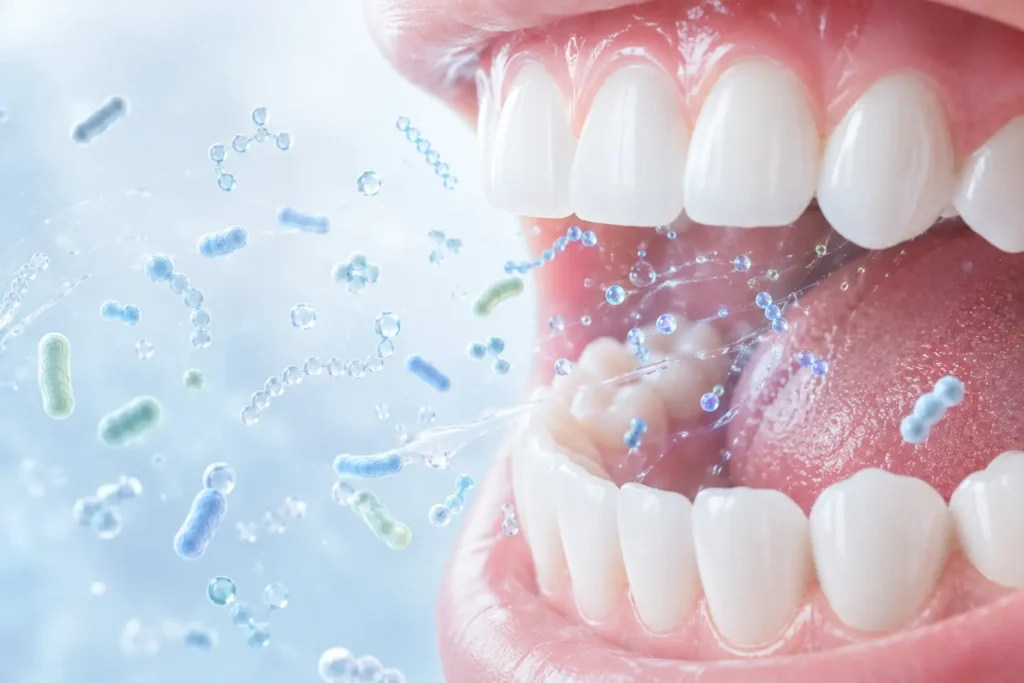
The mouth contains a complex ecosystem of microorganisms known as the oral microbiome. This environment includes hundreds of different types of bacteria, along with fungi and other microbes that naturally live on the teeth, tongue, gums, and soft tissues inside the mouth. While bacteria are often associated with oral problems, many microorganisms within the oral microbiome are considered part of a healthy and balanced oral environment.
Researchers increasingly view oral wellness through the lens of microbial balance rather than simply the presence or absence of bacteria. In a healthier oral environment, microorganisms exist in a relatively stable balance that may help support normal oral function. However, when this balance becomes disrupted, certain bacteria may become more dominant. Researchers have explored how these shifts may be associated with concerns such as bad breath, plaque buildup, gum irritation, and changes in overall oral comfort over time.
The oral microbiome is influenced by many different factors. Daily oral hygiene habits, saliva flow, hydration, diet, smoking, stress, sleep quality, and overall health may all affect the stability of the oral environment. Saliva plays a particularly important role because it helps wash away debris, supports pH balance, and interacts continuously with microorganisms throughout the mouth. When saliva production decreases, bacterial balance may become more difficult to maintain, potentially allowing odor-related or plaque-associated bacteria to thrive more easily.
As researchers continue studying the oral microbiome, interest has grown in how nutrients and minerals may influence the oral environment. Zinc is one of the minerals commonly discussed in this area of research because it is involved in immune function, tissue maintenance, and various cellular processes throughout the body. Researchers have explored whether zinc may help support a healthier oral environment by interacting with sulfur compounds, supporting oral tissues, and contributing to conditions that may favor a more balanced microbial ecosystem.
Importantly, researchers generally discuss zinc within the broader context of overall oral balance rather than as a direct solution for oral concerns. The oral microbiome is highly dynamic, and no single nutrient or habit determines its condition on its own. Instead, oral wellness may depend on the interaction between hygiene practices, nutrition, saliva balance, lifestyle factors, and the body’s natural defense systems.
Modern oral health discussions increasingly focus on long-term balance rather than short-term symptom management alone. This perspective has led to growing interest in how internal oral conditions may influence everyday concerns such as freshness, plaque accumulation, and gum comfort. For a deeper overview of how microbial balance may influence oral wellness, see this guide to the oral microbiome. Readers looking for a more detailed explanation of how oral bacteria interact within the mouth can also explore this article on oral microbiome balance explained.
Foods Naturally High in Zinc
Zinc is naturally found in a wide variety of foods, and many people can obtain adequate amounts through a balanced diet. Because zinc plays a role in immune function, tissue maintenance, and normal cellular activity, researchers often discuss nutrition as one factor that may support overall oral wellness alongside daily hygiene habits and regular dental care.
Rather than focusing on a single nutrient alone, many health experts emphasize the importance of overall dietary patterns. Nutrients often work together inside the body, and a balanced diet may help support healthier tissues, saliva production, immune responses, and bacterial balance within the mouth. While nutrition is only one part of oral wellness, dietary habits may influence the environment inside the mouth over time.
- Oysters: Oysters are among the richest natural food sources of zinc and are frequently discussed in nutrition research because of their high mineral content.
- Beef: Beef and other red meats naturally contain zinc along with protein and iron, nutrients commonly associated with tissue maintenance and immune support.
- Pumpkin Seeds: Pumpkin seeds provide zinc along with healthy fats, magnesium, and plant compounds often included in balanced dietary patterns.
- Nuts: Nuts such as cashews and almonds contain moderate amounts of zinc and may contribute additional nutrients that support overall wellness.
- Beans and Legumes: Chickpeas, lentils, and beans offer plant-based zinc along with fiber and other nutrients commonly associated with digestive and metabolic health.
- Dairy Products: Milk, yogurt, and cheese contain zinc as well as calcium and protein, nutrients often discussed in relation to oral and bone health.
- Whole Grains: Whole grains provide zinc together with fiber, B vitamins, and minerals that may support broader nutritional balance.
Researchers continue exploring how nutrition may influence oral environments over time, including factors related to bacterial balance, gum comfort, and oral freshness. While no single food determines oral health on its own, maintaining a varied and nutrient-rich diet may help support long-term oral wellness as part of a broader healthy lifestyle.

Zinc Supplements and Oral Care Products
Zinc is commonly included in a variety of oral care products and dietary supplements designed to support overall oral wellness. Researchers have explored zinc in oral health discussions because of its role in normal immune function, tissue maintenance, and its interaction with sulfur-related compounds associated with oral odor. As a result, zinc can be found in formulations such as toothpaste, mouthwash, chewing gum, lozenges, and dietary supplements aimed at supporting oral freshness and gum comfort.
Several forms of zinc are commonly used in oral care products. Zinc citrate and zinc gluconate are among the most frequently discussed forms because they are widely used in supplements and oral formulations. Researchers have explored these compounds in relation to oral freshness and bacterial balance inside the mouth. Zinc salts are sometimes included in mouthwash and toothpaste formulations because they may interact with sulfur compounds that contribute to unpleasant breath odors.
Zinc lozenges are another form commonly available in oral wellness products. Lozenges dissolve slowly in the mouth, which may allow zinc compounds to remain in contact with oral tissues for longer periods of time compared to standard supplements. Some oral care formulations also combine zinc with ingredients such as probiotics, herbal extracts, or plant-based compounds commonly discussed in oral wellness research.
Probiotics are sometimes included because researchers have explored how beneficial bacteria may support microbial balance within the mouth. Herbal ingredients such as peppermint, eucalyptus, tea tree oil, or xylitol are also commonly added to oral care products for freshness-related or formulation purposes. These combinations are often designed to support broader oral wellness approaches rather than focusing on a single ingredient alone.
Importantly, supplement quality and formulations can vary significantly between products. Differences may include the type of zinc used, dosage levels, ingredient combinations, manufacturing standards, and intended use. Researchers generally emphasize that oral wellness is influenced by many factors, including nutrition, hygiene practices, hydration, saliva balance, and routine dental care. Because of this, zinc-containing products are typically discussed as one part of a broader oral health routine rather than as standalone solutions for oral concerns.

Are Zinc Supplements Safe?
Zinc is an essential mineral that plays an important role in immune function, tissue maintenance, and many normal biological processes throughout the body. While zinc is naturally obtained through foods such as meat, seafood, dairy products, nuts, seeds, and legumes, supplements are also widely available. For many individuals, moderate zinc intake through a balanced diet is sufficient, and not everyone necessarily requires additional supplementation.
Researchers and health organizations have established recommended intake ranges for zinc because excessive intake over long periods may create imbalances within the body. Like many nutrients, zinc is beneficial in appropriate amounts, but more is not always better. Moderation is generally considered important when using dietary supplements, particularly when multiple products containing zinc are used together.
Some individuals may experience side effects from zinc supplements, especially when taken in higher amounts or on an empty stomach. Commonly discussed effects include nausea, stomach irritation, digestive discomfort, or a metallic taste. Researchers have also explored how long-term excessive zinc intake may interfere with the body’s balance of other minerals, particularly copper. Because zinc and copper interact within the body, very high zinc intake over time may contribute to lower copper levels in some situations.
For this reason, many health experts emphasize the importance of staying within established upper intake limits and following product directions carefully. Individuals who already obtain adequate zinc through diet may not necessarily benefit from high-dose supplementation unless advised otherwise by a qualified healthcare professional. Nutritional needs can vary depending on factors such as age, dietary patterns, health status, medications, and overall lifestyle.
Healthcare guidance may be appropriate for individuals considering long-term zinc supplementation or combining multiple supplements that contain overlapping ingredients. A balanced approach that includes nutrition, hydration, oral hygiene habits, and routine healthcare is often discussed as part of maintaining overall oral wellness. Researchers generally view zinc as one component within a broader health picture rather than a standalone solution for oral or wellness concerns.

Practical Ways to Support Oral Health Naturally
Oral wellness is influenced by many everyday habits that work together over time. While brushing and flossing remain essential parts of oral hygiene, researchers increasingly discuss the importance of supporting the overall oral environment through nutrition, hydration, lifestyle choices, and regular preventive care. Maintaining balance inside the mouth may help support fresher breath, healthier gums, and overall oral comfort.
- Brush Consistently: Brushing the teeth at least twice daily helps remove plaque, food particles, and bacteria that naturally accumulate throughout the day. Gentle brushing along the gumline and tongue cleaning are also commonly recommended as part of a complete oral hygiene routine.
- Floss Daily: Flossing may help remove debris and plaque from areas between the teeth where brushing alone may not reach. Researchers often discuss flossing as an important step for supporting gum health and reducing bacterial buildup near the gumline.
- Stay Hydrated: Saliva plays an important role in maintaining oral balance by helping wash away debris and supporting moisture inside the mouth. Drinking enough water throughout the day may help support saliva flow and oral freshness.
- Maintain a Balanced Diet: Nutrition may influence oral tissues, bacterial balance, and saliva composition over time. Diets rich in vegetables, fruits, proteins, healthy fats, and mineral-containing foods are commonly associated with overall wellness. Readers interested in how nutrition may affect the mouth can explore this guide on diet and oral health.
- Reduce Excess Sugar Intake: Frequent sugar consumption is often discussed in relation to bacterial imbalance and plaque formation. Reducing sugary drinks and highly processed foods may help support a healthier oral environment.
- Support Oral Microbiome Balance: Researchers increasingly view the oral microbiome as an important part of long-term oral wellness. Healthy daily habits, balanced nutrition, hydration, and routine hygiene practices may help support bacterial balance inside the mouth over time.
- Schedule Regular Dental Checkups: Routine dental visits may help identify concerns early and support preventive oral care. Professional cleanings and evaluations remain an important part of maintaining overall oral health.
Some individuals also explore nutritional approaches and oral wellness products as part of their broader routines. For readers interested in learning more about commonly discussed options, this guide to oral health supplements provides additional educational information about ingredients and oral wellness discussions.

Key Takeaways
- Zinc is commonly discussed in relation to oral freshness and gum health.
- Researchers have explored zinc’s interaction with sulfur-related compounds.
- Balanced nutrition and oral hygiene remain important for long-term oral wellness.
- Oral microbiome balance may influence overall oral comfort and freshness.
Frequently Asked Questions About Zinc and Oral Health
Is zinc good for bad breath?
Zinc is commonly discussed in relation to bad breath because researchers have explored how certain zinc compounds may interact with volatile sulfur compounds (VSCs) inside the mouth. These sulfur-related compounds are often associated with unpleasant oral odors and are produced when oral bacteria break down proteins and food particles. Some oral care products, including mouthwash and toothpaste, contain zinc salts because researchers have studied whether they may help neutralize certain odor-related compounds.
However, bad breath can develop for many different reasons, including dry mouth, tongue coating, plaque buildup, smoking, dietary habits, and oral hygiene practices. Researchers generally view zinc as one part of a broader oral wellness approach rather than a direct cure for halitosis. Maintaining oral freshness often involves multiple habits such as brushing, flossing, tongue cleaning, hydration, and regular dental care.
Can zinc support gum health?
Researchers have explored zinc in relation to gum health because it plays a role in immune function, tissue maintenance, and normal cellular activity throughout the body. Gum tissues are constantly exposed to bacteria, food particles, and mechanical stress, which is why maintaining healthy oral tissues is often discussed as part of overall oral wellness.
Some researchers have examined whether zinc may help support healthy oral tissues and balanced inflammatory responses within the mouth. Zinc is also commonly discussed in relation to bacterial balance near the gumline, where plaque naturally accumulates over time. Still, oral health is influenced by many interconnected factors, including brushing, flossing, diet, saliva flow, hydration, smoking habits, and routine dental care.
What foods contain zinc?
Zinc is naturally found in many foods, particularly animal proteins and mineral-rich plant foods. Oysters are among the richest natural sources of zinc, while beef, poultry, dairy products, beans, pumpkin seeds, nuts, and whole grains also provide varying amounts of the mineral.
Researchers often emphasize that nutrients work together within the body, which is why balanced dietary patterns are commonly discussed in relation to oral wellness and overall health. Rather than focusing on a single nutrient alone, many health experts recommend maintaining a varied diet that includes proteins, fiber-rich foods, healthy fats, vitamins, and minerals that may support normal tissue function and bacterial balance over time.
Is zinc used in mouthwash?
Yes. Zinc is commonly included in some mouthwash and oral care formulations. Researchers have explored zinc salts such as zinc citrate and zinc gluconate because of their interaction with sulfur-related compounds commonly associated with oral odor discussions.
Zinc may also be combined with other ingredients frequently found in oral care products, including probiotics, herbal extracts, fluoride, xylitol, or antibacterial compounds. Formulations vary widely between products, and different ingredients may serve different purposes depending on the intended use of the product. Researchers generally discuss zinc-containing mouthwash as part of broader oral hygiene practices rather than as standalone solutions for oral concerns.
Can too much zinc cause side effects?
Like many nutrients, zinc is important in appropriate amounts but excessive intake may create imbalances within the body. Researchers and health organizations have established upper intake limits because long-term high-dose zinc supplementation may contribute to side effects or interfere with the balance of other minerals, particularly copper.
Commonly discussed side effects of excessive zinc intake include nausea, stomach irritation, digestive discomfort, or a metallic taste. Not everyone necessarily requires zinc supplementation, especially if dietary intake is already adequate. Individuals considering long-term or high-dose supplementation may benefit from speaking with a qualified healthcare professional about appropriate intake levels and overall nutritional balance.
How does zinc relate to oral bacteria?
The mouth contains a large and diverse community of microorganisms known as the oral microbiome. Researchers increasingly describe oral wellness as being closely connected to maintaining balance within this ecosystem rather than simply eliminating bacteria altogether.
Researchers have explored zinc because of its role in oral environments and its interaction with sulfur compounds produced by certain bacteria. Zinc is also commonly discussed in relation to tissue maintenance, saliva balance, and oral freshness. Some researchers believe minerals and nutrients may influence conditions inside the mouth that contribute to microbial stability over time.
Importantly, oral bacterial balance is affected by many factors, including oral hygiene habits, hydration, diet, saliva production, smoking, stress, and routine dental care. Researchers generally view zinc as one factor within a broader oral wellness framework rather than a single solution for maintaining microbiome balance.
Final Thoughts
Zinc is an essential mineral that is commonly discussed in relation to oral wellness because of its role in immune function, tissue maintenance, and oral environment balance. Researchers have explored how zinc may interact with sulfur-related compounds associated with bad breath discussions, while also examining its potential role in supporting healthy oral tissues and overall bacterial balance inside the mouth.
Modern oral health research increasingly focuses on the broader oral ecosystem rather than only surface-level hygiene. Factors such as saliva flow, bacterial diversity, nutrition, hydration, and daily oral care habits may all influence long-term oral wellness. Within this context, zinc is often discussed as one part of a more complete approach to supporting fresh breath, gum comfort, and oral microbiome stability.
At the same time, oral wellness is rarely influenced by a single ingredient or habit alone. Consistent brushing, flossing, balanced nutrition, reducing excess sugar intake, staying hydrated, and maintaining regular dental checkups remain foundational practices for supporting a healthier oral environment over time.
Researchers continue exploring how nutrients and lifestyle factors may affect oral balance and everyday oral health concerns. While zinc remains an important topic within oral wellness discussions, most experts emphasize the value of long-term habits and overall oral care routines rather than relying on any single product or solution.
References & Research
This article was created using publicly available educational resources, oral health literature, nutrition references, and evidence-aware editorial standards. Topics discussed throughout this guide include oral microbiome research, zinc and sulfur compound interactions, nutritional balance, saliva function, gum health, and oral wellness practices commonly explored in modern dental and nutrition discussions.
Researchers continue studying how minerals, bacterial balance, saliva stability, and lifestyle factors may influence long-term oral health. Because oral wellness is a complex and evolving field, findings may change as additional research becomes available over time.
This content is intended for educational and informational purposes only and should not be considered medical advice, diagnosis, or treatment guidance. Individuals with ongoing oral health concerns or questions about nutritional supplementation may benefit from consulting a qualified dental or healthcare professional.
About the Author
Alex Morgan writes about oral wellness, focusing on gum health, oral hygiene routines, and ingredient-based supplement reviews. His work aims to present clear, practical insights to help readers better understand how daily habits and product choices may support long-term oral health.