
Our reviews use research, public data, user feedback, and strict editorial standards for accuracy, clarity, and transparency. Learn how we review products →
If your teeth still feel slightly coated even after brushing, plaque may be part of the reason.
Plaque is a soft, sticky film that forms on the teeth when bacteria in the mouth mix with food particles and saliva. It is something most people deal with daily, even if they brush and floss regularly. Over time, this buildup can contribute to that “unclean” feeling in the mouth, along with issues like bad breath or mild gum sensitivity that do not always go away after routine brushing.
One reason plaque can be difficult to manage is that it is not only about surface cleaning. It is closely linked to the balance of bacteria within the mouth, often referred to as the oral microbiome. Daily habits, including what you eat, how often you hydrate, and your overall routine, may influence how quickly plaque forms and how persistent it becomes. For example, patterns discussed in diet and oral health suggest that certain foods may encourage bacterial growth, while others may help support a healthier oral environment.
Because of this, reducing plaque naturally is less about quick fixes and more about consistent, supportive habits. Small everyday choices, combined with a better understanding of the causes of bad breath and how they connect to gum health, may help create conditions that make plaque easier to manage over time.
- ✔ Plaque forms naturally every day
- ✔ Brushing alone may miss key areas
- ✔ Diet and habits influence buildup
- ✔ Consistency matters more than perfection
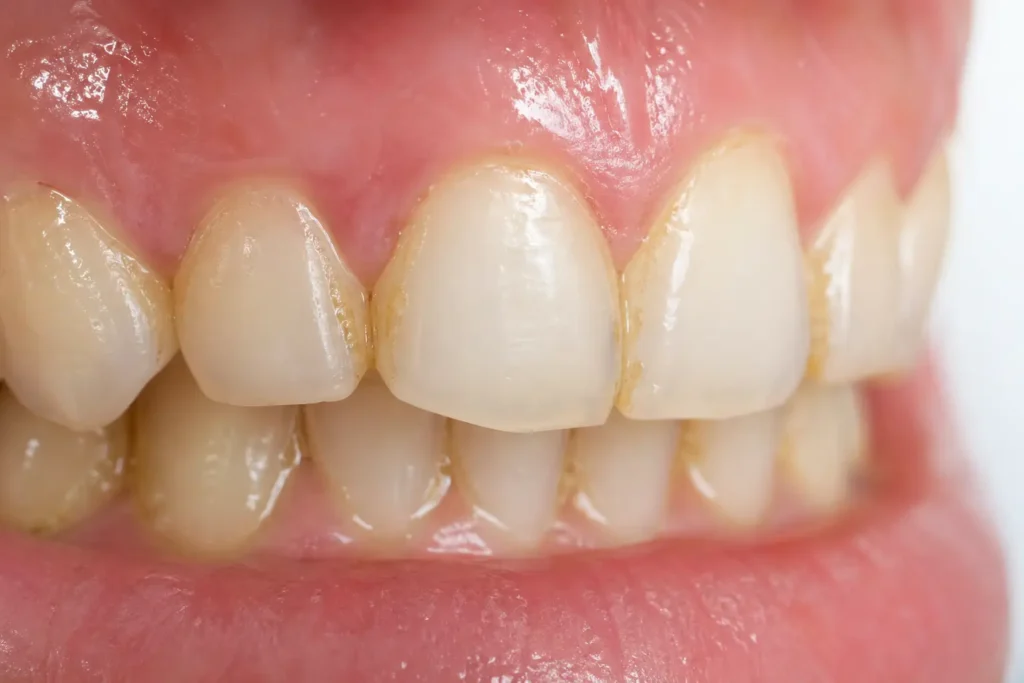
Plaque is a sticky layer of bacteria that forms on teeth daily. It can often be managed with consistent brushing, flossing, and supportive habits, but may harden into tartar if left untreated.
What Is Dental Plaque?
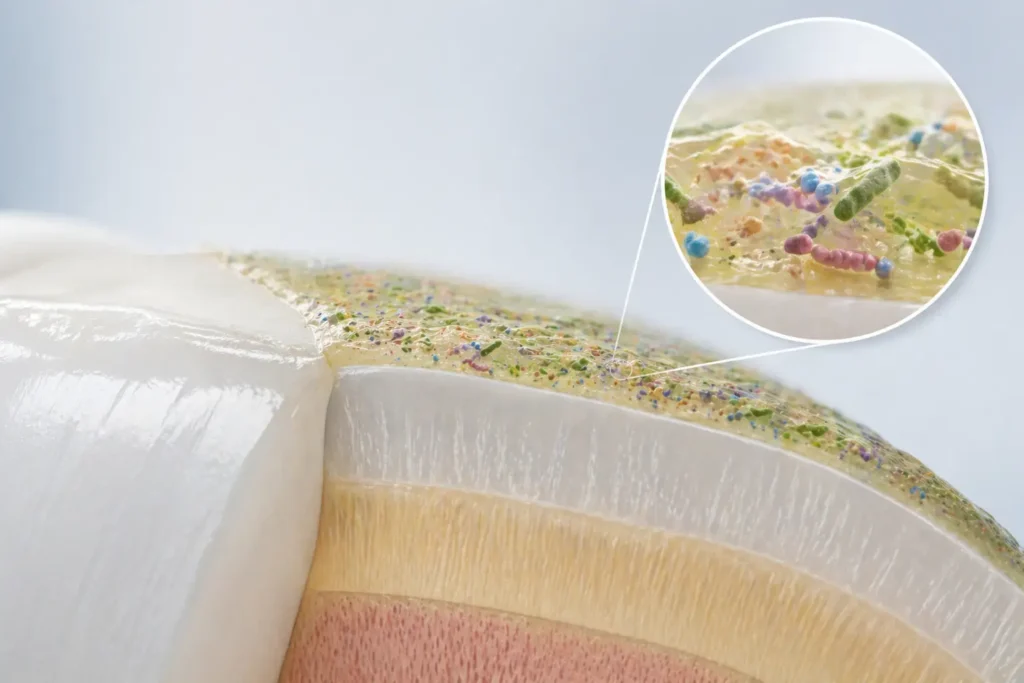
Dental plaque is a soft, sticky layer—often described as a biofilm—that forms on the surface of the teeth. It develops when bacteria in the mouth combine with food particles and saliva, creating a thin coating that can build up throughout the day. This process is natural and ongoing, which is why plaque can return even after brushing. It is closely connected to the balance of bacteria in the oral microbiome, where different types of microorganisms interact and adapt based on daily habits.
Plaque is sometimes confused with tartar, but they are not the same. Plaque is soft and can usually be removed through regular brushing and flossing. Tartar, on the other hand, forms when plaque is left on the teeth long enough to harden. Once it becomes tartar, it typically cannot be removed at home and may require professional dental cleaning. This distinction matters because managing plaque early may help prevent more persistent buildup later.
Plaque begins forming shortly after eating, particularly when foods containing sugars or refined carbohydrates are consumed. Bacteria in the mouth feed on these substances and produce byproducts that allow them to stick more easily to tooth surfaces. Over time, this can lead to a thicker film, especially in areas that are harder to clean. Insights from diet and oral health suggest that frequent snacking or sugary drinks may create conditions where plaque forms more quickly.
In everyday terms, plaque matters because it is commonly linked to several familiar oral health concerns. As it builds up, it may contribute to tooth decay, mild gum irritation, and an ongoing “unclean” feeling in the mouth. It is also associated with odor-causing compounds, which may help explain some of the causes of bad breath. Over time, if not managed consistently, plaque may influence overall gum health and make routine oral care feel less effective.
Why Plaque Builds Up So Easily
It is common to assume that brushing twice a day should be enough to prevent plaque, yet many people still notice buildup over time. One reason is that plaque does not form evenly across the mouth. Certain areas—such as along the gumline, between teeth, and around the back molars—can be more difficult to reach with a toothbrush. Even with good intentions, these spots may be missed during quick or routine brushing, allowing plaque to remain and gradually accumulate.
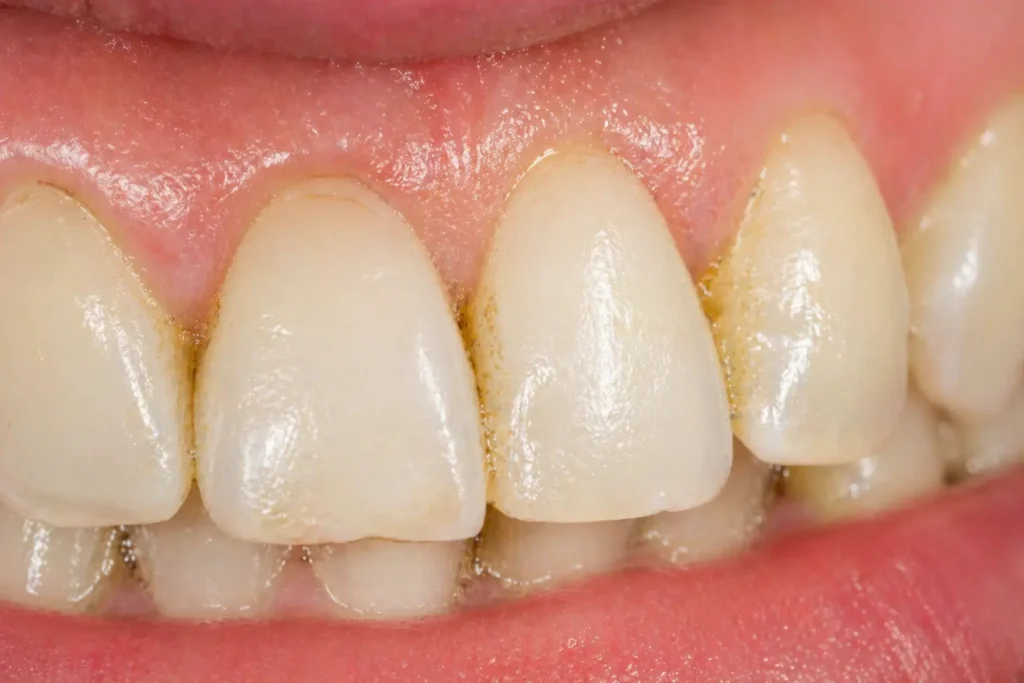
Daily habits also play an important role. Frequent snacking, especially on foods high in sugars or refined carbohydrates, can create repeated opportunities for bacteria to feed and grow. According to patterns explored in diet and oral health, it is not only what you eat but how often you eat that may influence plaque formation. For example, sipping sweet drinks throughout the day or eating small snacks between meals may provide a steady source of fuel for bacteria, even if brushing is done regularly.
Another often overlooked factor is saliva. Saliva helps rinse away food particles and supports a more balanced oral environment. When the mouth feels dry—whether due to dehydration, stress, or certain lifestyle factors—this natural cleansing process may be reduced. As a result, plaque may build up more easily, sometimes contributing to an ongoing “coated” feeling or subtle odor, which may help explain some causes of bad breath.
Plaque accumulation is also linked to shifts in the oral microbiome. When certain bacteria become more dominant, they may adhere more readily to tooth surfaces, making plaque harder to manage with brushing alone. In real life, this can happen during busy routines—such as rushing through brushing in the morning or skipping flossing at night. Rather than being a simple hygiene failure, plaque buildup is often the result of small “routine gaps” that, over time, may influence overall gum health and how clean the mouth feels day to day.
Brush Twice Daily With Proper Technique
Brushing is one of the most familiar ways to manage plaque, but how it is done often matters more than how hard it is done. Plaque is a soft biofilm that attaches to tooth surfaces, especially near the gumline and in harder-to-reach areas. Rather than requiring force, it typically responds better to consistent, gentle disruption. Using too much pressure may not remove more plaque—in fact, it can sometimes lead to irritation of the gums or cause people to rush through brushing without covering all areas evenly.
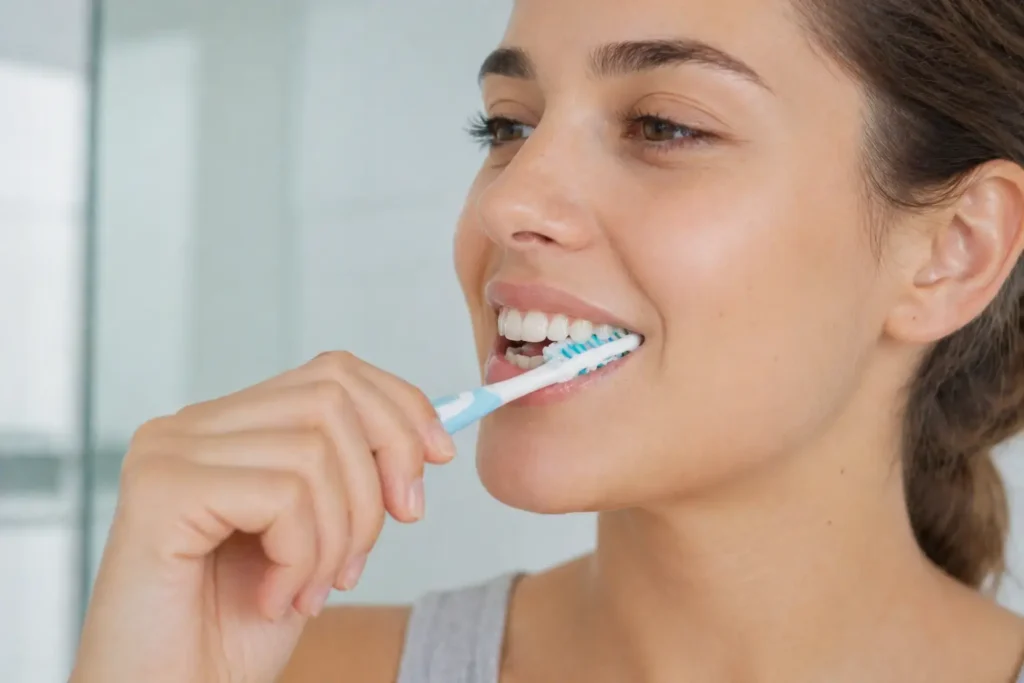
Technique plays a key role in how effectively plaque is reduced. Dentists often suggest angling the toothbrush slightly toward the gumline, where plaque tends to collect. This area is particularly important because buildup here is commonly linked to early changes in gum health. Small, controlled motions—rather than wide, aggressive scrubbing—may help dislodge plaque without causing unnecessary stress to the teeth or gums. Taking time to brush along the inner, outer, and chewing surfaces of each tooth can make a noticeable difference over time.
The idea of brushing for about two minutes is based on giving enough time to cover the entire mouth. In real life, many people brush for much less, especially during busy mornings or late at night. This can lead to missed areas, particularly the back teeth or spots between teeth where plaque may quietly build up. These routine gaps may also contribute to a lingering “unclean” feeling or even subtle odor, which is sometimes associated with the causes of bad breath.
In practical terms, brushing works best when it is gentle, thorough, and consistent. Slowing down, paying attention to commonly missed areas, and maintaining a steady routine may help keep plaque levels more manageable. Over time, these small adjustments can support a more balanced oral microbiome and make daily oral care feel more effective without relying on overly aggressive techniques.
Clean Between Teeth Every Day
Flossing and other forms of interdental cleaning focus on the spaces between teeth—areas where a standard toothbrush may not reach effectively. Plaque tends to accumulate in these narrow gaps because they can trap food particles and provide a surface for bacteria to attach. Over time, this buildup may go unnoticed, especially since it is not always visible when looking in the mirror. Despite regular brushing, these hidden areas can remain a common source of plaque.
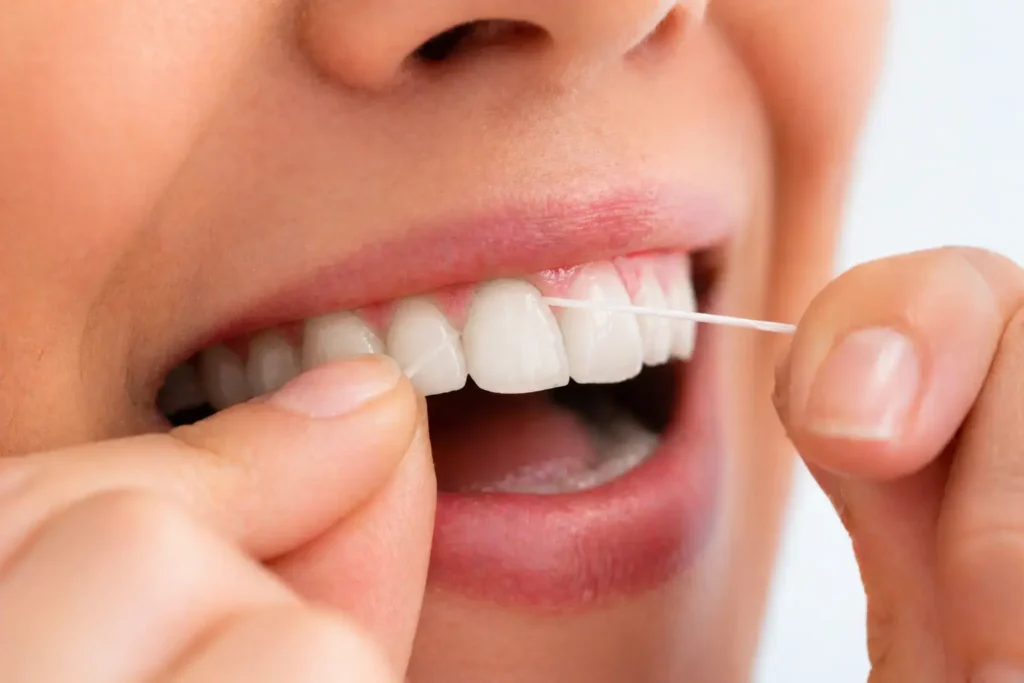
This is one reason brushing alone is often not enough to fully manage plaque. While brushing helps clean the outer and chewing surfaces of the teeth, it may leave behind buildup between teeth and along tight contact points. These areas are also closely connected to gum health, as plaque near the gums may contribute to irritation or sensitivity over time. In some cases, plaque in these spaces may also play a role in odor-causing compounds, which may help explain certain causes of bad breath.
There are several tools designed to help clean between teeth. Traditional dental floss is one of the most common options, allowing users to gently remove debris and plaque from tight spaces. Interdental brushes may be helpful for slightly larger gaps, while water flossers use a stream of water to flush out particles. Each option works a bit differently, and the choice often depends on personal comfort, ease of use, and consistency over time.
In everyday life, one of the biggest challenges is not knowing how to floss—it is remembering to do it consistently. Many people skip this step, especially when they are tired or in a hurry, which can create small gaps in their routine. Rather than aiming for perfection, it may be more helpful to focus on building a habit that fits into daily life. Even simple, consistent interdental cleaning may support a more balanced oral microbiome and help reduce areas where plaque tends to build up.
Reduce Frequent Sugar Exposure
Sugar plays a well-known role in plaque formation, but the process is less about sugar itself and more about how bacteria in the mouth use it. When sugary or refined carbohydrate foods are consumed, certain bacteria within the oral microbiome feed on these compounds and produce acids as a byproduct. These acids may contribute to the breakdown of tooth enamel over time and create conditions that allow plaque to stick more easily to tooth surfaces.

One important detail is that frequency often matters more than the total amount of sugar consumed. For example, having a sugary snack once during a meal may have a different impact than sipping sweetened coffee or soft drinks throughout the day. Each time sugar is introduced, bacteria can begin producing acids again, which may prolong the period during which plaque forms and remains active. This pattern is commonly discussed in diet and oral health, where repeated exposure rather than a single event may influence oral conditions over time.
In everyday life, this can show up in subtle ways. Drinking sweetened beverages slowly over several hours, snacking frequently on packaged foods, or even adding sugar to multiple cups of coffee can create a near-constant cycle of bacterial activity. Over time, this may contribute not only to plaque buildup but also to a coated feeling in the mouth or mild odor, which may help explain some causes of bad breath.
Practical adjustments do not necessarily require eliminating sugar completely. Spacing meals further apart may give the mouth time to return to a more neutral state, while rinsing with water after eating or drinking may help reduce lingering residues. Choosing to consume sweets with meals rather than as frequent snacks may also limit repeated exposure. These small habits, when practiced consistently, may support overall gum health and help create an environment where plaque is less likely to build up as easily.
Stay Hydrated to Support Saliva
Saliva plays an important but often overlooked role in helping manage plaque. It acts as a natural cleansing fluid in the mouth, continuously washing away food particles and helping to limit how long bacteria remain on tooth surfaces. Within the oral microbiome, saliva supports a more balanced environment by preventing certain bacteria from becoming overly dominant. While it may not remove plaque entirely, it helps reduce the conditions that allow plaque to build up quickly.
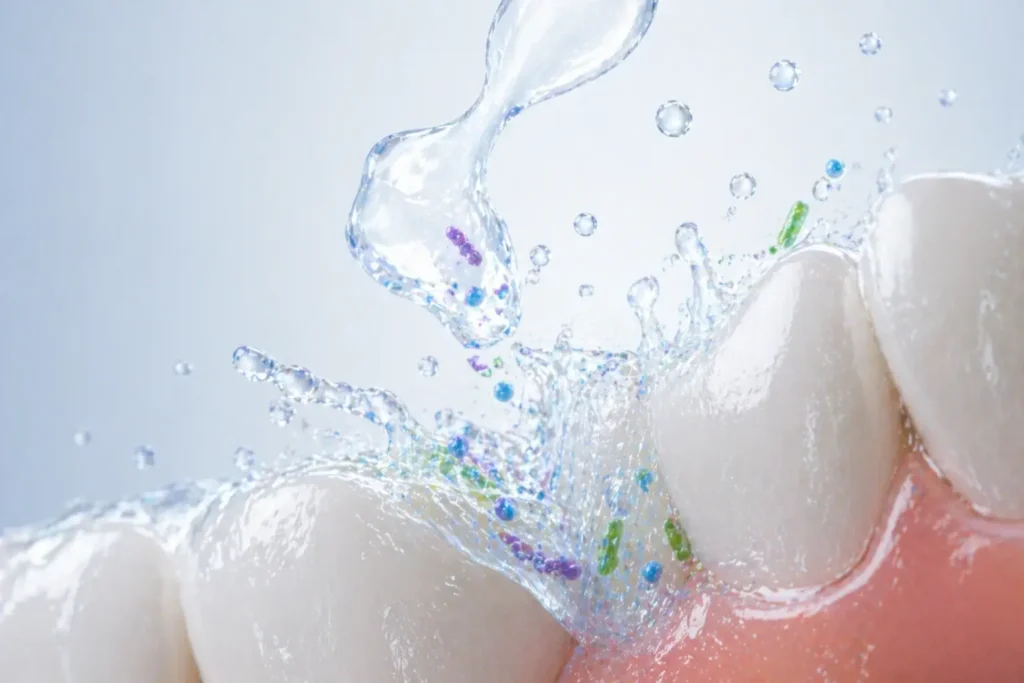
Another key function of saliva is its ability to help neutralize acids produced by bacteria. After eating—especially foods that contain sugars or refined carbohydrates—bacteria may produce acids that can affect the tooth surface and encourage plaque to adhere more strongly. Saliva helps buffer these acids, gradually returning the mouth to a more neutral state. This process is important for everyday oral comfort and is commonly linked to maintaining overall gum health over time.
When saliva flow is reduced, the balance of the mouth may shift. This is often referred to as dry mouth, and it can make plaque buildup more noticeable. Without enough moisture, food particles and bacteria may remain in place longer, potentially contributing to a sticky or coated feeling. Dryness is also commonly associated with certain causes of bad breath, as odor-producing compounds may not be cleared as efficiently.
In real life, mild dryness can be influenced by everyday factors such as low water intake, frequent caffeine consumption, stress, or simply going long periods without drinking fluids. Simple habits—like staying hydrated throughout the day, drinking water after meals, or limiting sugary and acidic beverages—may help support normal saliva flow. While these steps may seem small, they can contribute to a more balanced oral environment and help reduce the likelihood of plaque building up as easily over time.
Support Gum Health, Not Just Teeth
Gum health plays a central role in how plaque develops and persists in the mouth. Plaque tends to accumulate most easily along the gumline, where the teeth and gums meet. This area can be more difficult to clean thoroughly, especially if brushing or flossing misses small sections. Because of this, the condition of the gums is closely linked to how effectively plaque is managed on a daily basis.
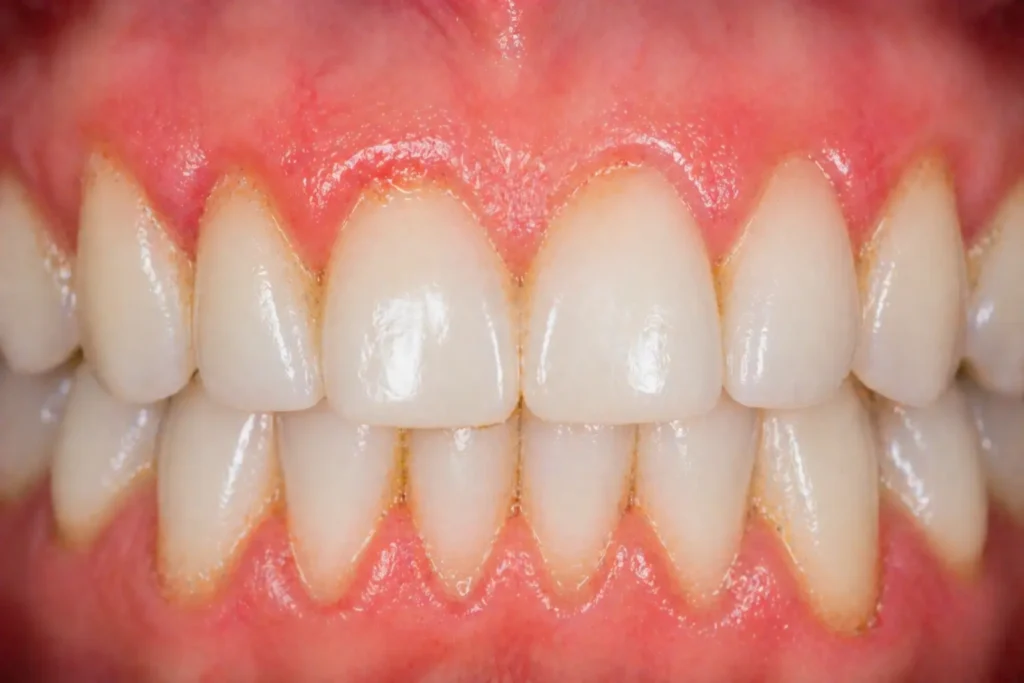
When plaque builds up near the gumline, it may contribute to irritation or inflammation of the surrounding tissue. This is often one of the earliest stages of gum-related concerns and may show up as mild redness, sensitivity, or bleeding during brushing or flossing. These early signs are sometimes overlooked or dismissed as minor, but they can indicate that plaque is not being fully removed. Over time, this pattern may influence overall gum health and make the area more prone to further buildup.
In everyday life, many people focus primarily on keeping their teeth clean and may pay less attention to the gums themselves. This can lead to small gaps in routine care, particularly if brushing is done quickly or without targeting the gumline. As a result, plaque may continue to collect in these areas even when the rest of the teeth appear clean. In some cases, this buildup may also contribute to a lingering taste or odor, which is commonly associated with certain causes of bad breath.
Healthy gums are part of a broader balance within the mouth. They help create a stable environment where bacteria are less likely to accumulate in harmful ways. This balance is influenced by the oral microbiome, where interactions between bacteria, saliva, and daily habits all play a role. Supporting gum health through consistent care and attention to early signs may help reduce areas where plaque tends to build and contribute to a more comfortable, balanced oral environment over time.
Eat More Plaque-Friendly Foods
Diet can play a supportive role in how plaque develops and how easily it is managed, although it does not replace regular brushing or flossing. Certain foods may influence the environment of the mouth in ways that affect how bacteria behave. This connection is often explored in diet and oral health, where everyday food choices are associated with changes in oral comfort, cleanliness, and bacterial balance.

For example, crunchy vegetables such as carrots, celery, or apples require more chewing, which may help stimulate saliva and provide a mild mechanical cleaning effect on the teeth. While this does not remove plaque in the same way brushing does, it may help reduce food particles that bacteria rely on. Water-rich foods, including fruits and vegetables, may also contribute to hydration, supporting saliva flow and helping rinse the mouth naturally.
Choosing foods lower in added sugars may also make a difference over time. Since bacteria feed on sugars to produce acids, reducing frequent exposure may help limit the conditions that allow plaque to build up more quickly. Some dairy or mineral-rich foods—such as yogurt or cheese—are commonly associated with supporting enamel and maintaining a more balanced oral environment, although their effects may vary depending on overall diet patterns and individual habits.
In practical terms, diet works best as part of a broader routine rather than a standalone solution. Eating patterns that include whole foods, adequate hydration, and fewer frequent sugary snacks may help support a more balanced oral microbiome. Over time, this balance may contribute to improved gum health and reduce the likelihood of plaque accumulation.
In some cases, people also explore additional support beyond daily habits. For example, certain options discussed in oral health supplement guides are designed to complement routines focused on long-term oral balance.
Professional Cleaning & Tartar
Natural approaches such as brushing, flossing, and supportive dietary habits may help manage plaque on a daily basis, but they are not always enough in every situation. One key reason is the difference between plaque and tartar. Plaque is a soft, sticky biofilm that can usually be removed through regular oral care. Tartar, however, forms when plaque is left on the teeth long enough to harden through mineral deposits from saliva. Once this happens, the buildup becomes more firmly attached to the tooth surface and is typically not removable with home care alone.
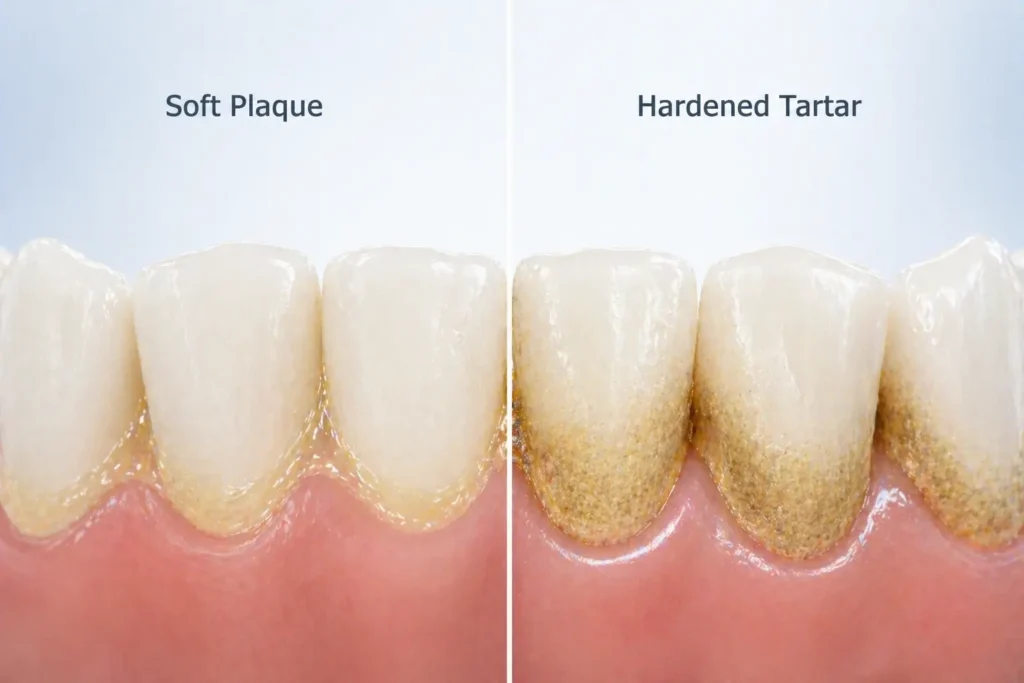
This distinction matters in real life because tartar often develops gradually and may not always be noticeable at first. It commonly forms along the gumline or in areas that are harder to reach, such as between teeth or behind the lower front teeth. As tartar accumulates, it may create a rough surface that allows additional plaque to attach more easily. Over time, this pattern is commonly linked to changes in gum health, including irritation or sensitivity that may persist despite regular brushing.
Professional dental cleanings are designed to address this type of buildup. Dental tools can remove hardened deposits without damaging the surrounding tooth structure, helping to reset the surface and make daily cleaning more effective again. These visits also provide an opportunity to identify areas where plaque tends to accumulate and to adjust routines accordingly.
While natural methods remain an important foundation for oral care, they work best when combined with periodic professional support. This balanced approach may help maintain a healthier oral microbiome and reduce factors associated with the causes of bad breath. Rather than replacing everyday habits, dental visits can complement them by addressing buildup that develops beyond what routine care can manage.
If you’re not sure where to start, a simple daily routine may help make plaque easier to manage over time. Some people also look into additional support alongside these habits, including options covered in oral health supplement guides.
Simple Daily Routine to Reduce Plaque Naturally
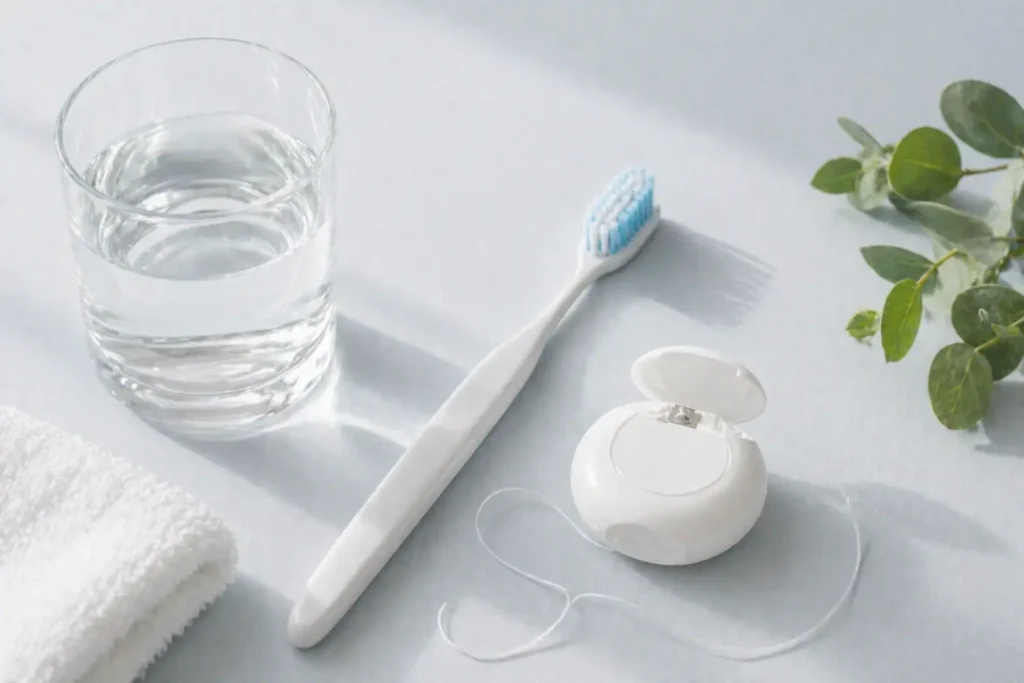
A consistent routine can make a meaningful difference in how plaque develops over time. Rather than focusing on perfection, a simple structure that fits into daily life may help support a more balanced oral microbiome and reduce areas where plaque tends to accumulate.
Morning:
Brush gently for about two minutes, paying attention to the gumline and back teeth. This helps remove plaque that builds up overnight and may support overall gum health. If possible, avoid rushing through this step, as missed areas can contribute to buildup later in the day.
After meals:
Rinse your mouth with water to help clear food particles and sugars. When brushing is not practical, this simple step may reduce the residue that bacteria feed on. Habits discussed in diet and oral health suggest that spacing meals and limiting frequent snacking may also help reduce repeated plaque formation.
Evening:
Brush again thoroughly and include flossing or interdental cleaning. Nighttime care is important because plaque left overnight may remain undisturbed for longer periods. This step may also help address factors linked to the causes of bad breath.
Weekly habit:
Take a moment to notice areas that feel harder to clean, such as between teeth or near the gums. Adjusting technique or spending extra time on these spots may help improve consistency over time without making the routine more complicated.
Final Thoughts: Managing Plaque Over Time
Plaque is a normal part of the oral environment, forming naturally as bacteria interact with food and saliva throughout the day. While it cannot be completely avoided, it is generally manageable with consistent habits and a better understanding of what influences its buildup. Rather than being a sign of poor hygiene alone, plaque is often shaped by daily routines, including how you clean your teeth, what you eat, and how well the mouth maintains balance through the oral microbiome.
In real life, this means that small, repeated actions tend to matter more than occasional efforts. Brushing thoroughly, cleaning between teeth, staying hydrated, and being mindful of patterns explored in diet and oral health may all contribute to a more stable oral environment over time. These habits may also support overall gum health and help reduce factors associated with the causes of bad breath.
Importantly, reducing plaque naturally is not about achieving perfection. It is more about building a routine that is realistic and sustainable. Even gradual improvements in daily care may lead to noticeable changes in how the mouth feels and functions. Over time, this consistent approach may help create conditions where plaque is easier to manage and less likely to become a persistent concern.
Frequently Asked Questions
Can plaque be removed naturally?
Is brushing alone enough to control plaque?
Does diet affect plaque formation?
How often should I floss?
Can plaque cause bad breath?
Is mouthwash enough to remove plaque?
Why does plaque keep coming back?
Are natural methods enough for long-term plaque control?
How long does it take for plaque to harden?
Can plaque come back within a day?
What does plaque feel like on teeth?
Overall, these questions highlight a simple pattern: plaque forms continuously, which is why consistent daily habits often matter more than occasional deep cleaning.
This content is for informational purposes only and does not replace professional dental advice.
About the Author
Alex Morgan writes about oral wellness, focusing on gum health, oral hygiene routines, and ingredient-based supplement reviews. His work aims to present clear, practical insights to help readers better understand how daily habits and product choices may support long-term oral health.