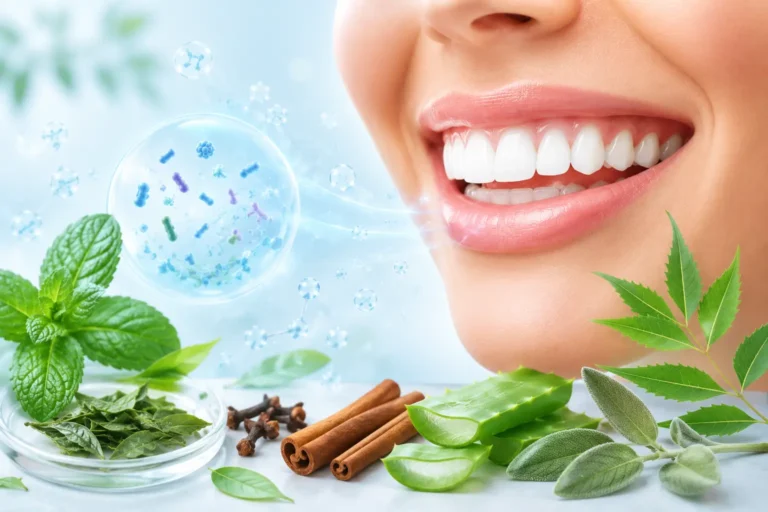
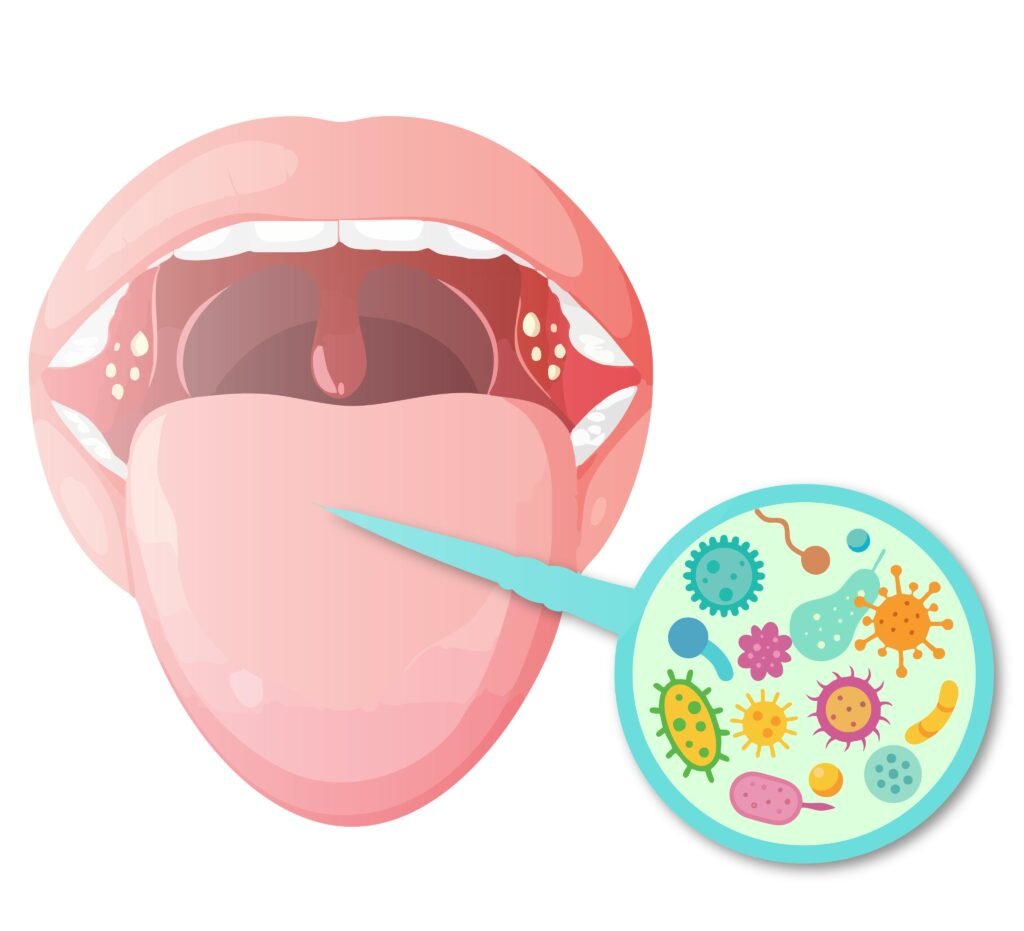
oral microbiome bacteria balance illustration in the mouth

Our reviews use research, public data, user feedback, and strict editorial standards for accuracy, clarity, and transparency. Learn how we review products →
Bad breath that seems to return no matter how often you brush, gums that feel sensitive during routine cleaning, or plaque that builds up quickly despite consistent care—these are common concerns many people experience. While daily habits such as brushing and flossing remain essential, they may not always explain why certain oral issues persist over time.
In recent years, oral health has increasingly been viewed as more than just surface-level hygiene. Researchers and health professionals often describe the mouth as a dynamic environment shaped by a wide range of factors, including diet, saliva flow, and the types of bacteria that live there. This shift in perspective has led to growing interest in what is known as the oral microbiome.
The oral microbiome refers to the complex community of microorganisms that naturally exist in the mouth. These microbes are not inherently harmful—in fact, many are considered beneficial and may play a role in maintaining balance. However, when this balance changes, it may help explain why issues such as odor, irritation, or buildup tend to recur. Understanding how this system works can provide a more complete picture of oral health beyond brushing alone. For example, some recurring symptoms may relate to underlying factors explored in guides on causes of bad breath.
- The oral microbiome is the ecosystem of bacteria living in the mouth
- Balance between beneficial and harmful bacteria may influence oral health
- Diet, saliva, and daily habits can affect microbial diversity
- Both internal and external oral care may work together
What Is the Oral Microbiome?
The oral microbiome is the community of bacteria and microorganisms that live in the mouth, including on the teeth, gums, tongue, and in saliva. This ecosystem is constantly changing and may be influenced by daily habits, diet, and overall health.
Importantly, not all bacteria in the mouth are harmful. Many are considered beneficial and are commonly associated with maintaining balance within the oral environment. These microbes form part of a broader oral bacteria ecosystem, where microbial diversity may play a role in supporting overall stability. In this sense, oral health is often linked to how these different bacterial populations interact rather than the complete absence of them.
This concept may help explain why oral health is not always determined by hygiene practices alone. Even with regular brushing and flossing, the overall composition of the oral microbiome can still vary based on factors such as diet, hydration, and general health. As a result, understanding what the oral microbiome is—and how it functions—can provide useful context for interpreting common oral concerns and how they develop over time.
Why the Balance of Bacteria Matters
The concept of the oral microbiome is closely tied to balance. Rather than focusing on eliminating bacteria entirely, oral health is often described in terms of how different microbial populations coexist within the mouth. When beneficial and less desirable bacteria remain in a relatively stable balance, this environment is commonly associated with a more comfortable and manageable oral condition.
This balance—often referred to as oral microbiome balance—may play a role in how stable and resilient the oral environment remains over time.
However, this balance is not fixed. It can shift over time in response to daily habits and environmental influences. When certain bacteria begin to dominate, this change in microbial composition may help explain why some oral concerns—such as persistent bad breath, increased plaque formation, or gum sensitivity—tend to recur even with consistent brushing and flossing.
In practical terms, this means that oral health may be influenced by more than surface-level cleaning alone. While external care plays an important role, the internal environment of the mouth—including how bacteria interact with one another—may also shape overall outcomes. Understanding this relationship between balance and imbalance can provide a more complete framework for interpreting common oral health patterns and why they sometimes persist over time.
How the Oral Microbiome Can Become Imbalanced
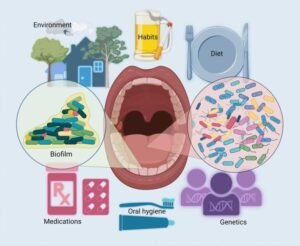
Factors that may influence oral microbiome balance
The balance of bacteria in the mouth can shift over time due to a range of everyday factors. These influences may not always be obvious, but they can gradually affect how different microbial populations grow and interact. Understanding these factors may help explain why certain oral concerns develop or persist.
- Diet and sugar intake: Diets high in sugar and refined carbohydrates may encourage the growth of bacteria associated with plaque formation and acid production. Over time, this can influence the overall microbial balance. You can explore more about the connection between diet and oral health.
- Oral hygiene habits: Inconsistent brushing or flossing may allow buildup on the teeth and gums, which can create conditions that favor certain bacteria over others.
- Reduced saliva production: Saliva helps rinse away food particles and regulate bacterial levels. When saliva flow is reduced—due to dehydration, medications, or other factors—the oral environment may become more prone to imbalance.
- Smoking and lifestyle factors: Habits such as smoking may alter the conditions within the mouth, potentially affecting how bacteria thrive and interact.
- Medication use: Certain medications may indirectly influence oral bacteria by affecting saliva production or changing the environment in which microbes exist.
Because these factors often work together rather than in isolation, changes in the oral microbiome may occur gradually. Recognizing these influences can provide useful context for understanding how daily habits and lifestyle choices may shape oral health over time.
Common Signs of Oral Imbalance
When the oral microbiome shifts out of balance, the changes are not always immediately obvious. However, over time, certain patterns may begin to appear. These signs are often subtle at first but may become more noticeable as the imbalance persists. Recognizing these early indicators may help explain why some oral concerns seem to return even with consistent care.
- Persistent bad breath: Ongoing odor that does not improve with brushing alone may be linked to bacterial activity within the mouth rather than surface-level debris. For more context, see common causes of bad breath.
- Gum sensitivity or irritation: Gums that feel tender, swollen, or prone to discomfort during brushing may reflect changes in the oral environment.
- Frequent plaque buildup: Rapid accumulation of plaque—even after regular cleaning—may be associated with shifts in bacterial composition.
- Dry mouth: A persistent feeling of dryness can affect how bacteria are regulated, potentially contributing to imbalance over time.
These signs do not necessarily point to a specific condition on their own, but they may offer insight into how the oral microbiome is functioning. In some cases, understanding these patterns can help guide adjustments in daily habits or overall oral care routines. You can also explore practical approaches to reduce plaque naturally as part of maintaining a balanced oral environment.
Internal vs External Oral Care
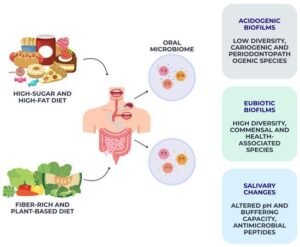
Oral care is often thought of in terms of external practices, such as brushing, flossing, and using mouthwash. These methods are essential for removing food particles, reducing plaque on the surface of the teeth, and maintaining overall cleanliness within the mouth. For many people, these daily habits form the foundation of their oral hygiene routine.
However, the concept of the oral microbiome introduces a broader perspective. In addition to external care, internal factors may also influence the oral environment. These include elements such as diet, hydration, saliva production, and the balance of bacteria within the mouth. While external practices help manage what is visible, internal factors may shape the conditions in which bacteria grow and interact.
This distinction may help explain why some individuals continue to experience recurring issues even with consistent brushing and flossing. In such cases, the underlying environment—rather than surface buildup alone—may play a role. As a result, a more comprehensive approach to oral health often considers both external hygiene and internal balance working together.
For example, dietary choices can influence the types of bacteria that thrive in the mouth, while saliva helps regulate microbial activity. You can explore more about how nutrition fits into this picture in guides on diet and oral health. Understanding this interaction between internal and external care can provide a more complete framework for maintaining long-term oral health.
Can Supplements Support the Oral Microbiome?

As awareness of the oral microbiome has grown, some individuals have begun to explore whether supplements may play a role in supporting the internal environment of the mouth. Unlike traditional oral care products that act on the surface, these supplements are typically designed to work from within and are often used alongside daily hygiene practices.
Oral health supplements vary in their formulation, but many commonly include ingredients such as probiotics, minerals, and herbal extracts. Each of these components is associated with different aspects of oral care. For example, probiotics are often discussed in relation to supporting microbial balance, while minerals like zinc are commonly used in products aimed at maintaining fresh breath and normal gum function.
Herbal extracts, such as clove, peppermint, or neem, are also frequently included due to their traditional use in oral care and their association with soothing and antioxidant properties. These ingredients may help support a more balanced oral environment, although their effects can vary depending on the formulation and individual response.
For those interested in learning more about how these ingredients are commonly used, you can explore topics such as oral probiotics and how they fit into broader oral care strategies, as well as guides on supplements for gum health. Overall, supplements are generally considered a complementary approach rather than a replacement for established oral hygiene practices.
For those exploring additional support, some people look into best oral health supplements designed to complement daily oral care routines.
How Oral Probiotics Fit Into the Picture
Oral probiotics are a specific category of supplements that focus on introducing beneficial bacteria into the oral environment. These microorganisms are similar to those naturally found in the mouth and are often selected based on their potential to interact with existing bacterial populations.
Rather than eliminating bacteria altogether, oral probiotics are commonly discussed in terms of supporting balance. The idea is that beneficial strains may help create conditions that are less favorable for the overgrowth of less desirable bacteria. This interaction may help explain why probiotics are often associated with maintaining a more stable oral environment over time.
In practical terms, oral probiotics are typically delivered in forms such as lozenges, chewable tablets, or capsules. Lozenges and chewables, in particular, are designed to dissolve slowly in the mouth, allowing the bacteria to come into contact with oral surfaces such as the tongue and gums. This method is often used to support direct interaction within the oral cavity.
It is important to note that the effects of oral probiotics can vary depending on the specific strains used, the consistency of use, and individual factors such as diet and overall oral hygiene. As with other aspects of oral care, probiotics are generally considered part of a broader approach that includes both internal and external factors working together.
If you’re interested in this approach, you can explore a curated list of oral health supplements that focus on microbiome support.
What the Oral Microbiome Does NOT Mean
While the concept of the oral microbiome offers a broader way to understand oral health, it is important to clarify what it does not imply. This perspective does not suggest that traditional oral care practices are no longer necessary. Brushing, flossing, and routine dental checkups remain essential for maintaining oral hygiene and managing surface-level buildup.
In addition, understanding the role of bacteria in the mouth does not mean that all oral health concerns can be addressed through internal approaches alone. Although factors such as diet, hydration, and microbial balance may contribute to overall conditions, they are only part of a larger picture that includes consistent hygiene and professional care.
It is also important to avoid viewing the oral microbiome as a quick solution to complex issues. Changes in the oral environment tend to occur gradually and may be influenced by multiple variables. As a result, approaches that focus on supporting balance are generally considered long-term strategies rather than immediate fixes.
By setting realistic expectations, this perspective can help individuals better understand how different elements of oral health work together. Rather than replacing established practices, the concept of the oral microbiome is best viewed as an additional layer of understanding that may help explain why certain patterns occur over time.
Who May Benefit from Understanding This
The concept of the oral microbiome can be useful for a wide range of individuals, particularly those who are looking to better understand the underlying factors that may influence oral health over time. While not everyone will need to explore this topic in depth, it may offer helpful context for those experiencing recurring or unexplained oral concerns.
- Individuals with persistent bad breath: Those who experience ongoing odor despite regular brushing may find it helpful to consider how bacterial balance may influence this issue. You can explore related factors in guides on causes of bad breath.
- People with recurring gum sensitivity: Gum discomfort that appears frequently may sometimes be linked to changes in the oral environment rather than hygiene alone.
- Those dealing with frequent plaque buildup: Rapid plaque accumulation may reflect shifts in how bacteria interact within the mouth, even when routine cleaning is consistent.
- Individuals interested in a more holistic approach: Some people prefer to consider both internal and external factors, including diet, hydration, and microbial balance, as part of their oral care routine.
- Anyone seeking a deeper understanding of oral health: Learning about the oral microbiome may provide a more complete picture of how daily habits and biological factors work together over time.
While this information may not apply equally to everyone, it can offer a broader framework for interpreting common oral health patterns and making more informed decisions about daily care.
Frequently Asked Questions
What is the oral microbiome?
Is all bacteria in the mouth bad?
Can diet affect oral bacteria?
Do oral probiotics help?
How long does it take to notice changes?
Can brushing alone fix oral health issues?
Final Thoughts
The concept of the oral microbiome highlights that oral health is shaped by more than just surface-level cleaning. While brushing and flossing remain essential, they represent only one part of a broader system that includes bacterial balance, saliva, diet, and daily habits. Understanding how these elements interact may help explain why certain oral concerns develop or persist over time.
Rather than focusing solely on eliminating bacteria, this perspective emphasizes the importance of maintaining a stable and balanced environment within the mouth. For some individuals, this may involve paying closer attention to lifestyle factors such as nutrition, hydration, and consistency in oral care routines.
At the same time, it is important to keep expectations realistic. Oral health is influenced by multiple variables, and changes often occur gradually. Approaches that consider both internal and external factors are generally viewed as part of a long-term strategy rather than a quick solution.
By taking a more comprehensive view of oral health, individuals may be better equipped to understand their own experiences and make informed decisions about their daily routines. Consistency, awareness, and a balanced approach remain key elements in supporting long-term oral well-being.
For those looking to go deeper, exploring different oral health supplement options may provide additional perspective alongside daily oral care habits.
About the Author
Alex Morgan writes about oral wellness, focusing on gum health, oral hygiene routines, and ingredient-based supplement reviews. His work aims to present clear, practical insights to help readers better understand how daily habits and product choices may support long-term oral health.