
Our reviews use research, public data, user feedback, and strict editorial standards for accuracy, clarity, and transparency. Learn how we review products →
Gum sensitivity, occasional bleeding, or irritation can sometimes persist even with consistent brushing and flossing. For some individuals, this may feel frustrating—especially when daily oral hygiene habits appear to be in place. These symptoms are often influenced by more than just surface-level plaque, and may reflect how the gums respond to ongoing bacterial exposure and environmental factors inside the mouth.

Rather than functioning in isolation, the gums are part of a broader oral system that includes teeth, saliva, and a diverse microbial environment. This system, commonly referred to as the oral microbiome, helps maintain balance within the mouth. When this balance shifts, it may help explain why issues like redness, swelling, or sensitivity can develop over time. Understand the role of the oral microbiome in gum health →
In addition to bacterial balance, internal factors such as nutrition, hydration, and immune response may also play a role in how gum tissue behaves day to day. The way plaque forms and interacts with the gum line may further influence overall comfort and resilience. Learn more about how plaque buildup may affect gums →
Within this context, certain supplements—including oral probiotics, essential vitamins, minerals, and plant-based compounds—are often discussed for their potential to support internal conditions linked to gum health. While these approaches are not a replacement for brushing, flossing, or professional care, they may serve as a complementary addition to a consistent oral hygiene routine. Explore how different oral supplements are structured →
Why Gum Health Is More Than Just Brushing
Brushing and flossing are widely recognized as the foundation of oral care, helping remove food particles and reduce surface-level plaque. However, gum health is influenced by more than what happens on the surface of the teeth. Many people notice that even with consistent hygiene habits, issues like sensitivity, mild swelling, or bleeding can still occur. This suggests that additional factors—beyond brushing alone—may play a role in how the gums respond over time.
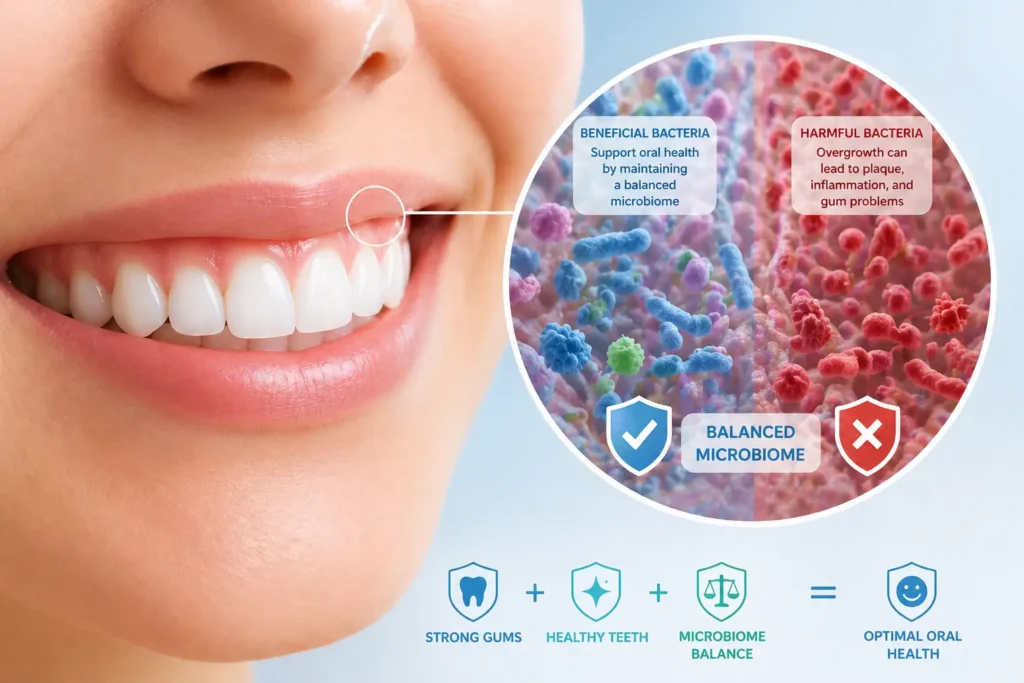
One important consideration is the oral microbiome, a complex community of bacteria that naturally exists in the mouth. When this microbial environment remains balanced, it may support a more stable and comfortable gum condition. When it becomes disrupted, certain bacteria may become more dominant, which is commonly associated with irritation or inflammation. Explore how oral bacteria influence gum balance →
In addition to bacterial balance, internal processes such as inflammation and circulation may also influence gum health. For example, how the body responds to plaque buildup can vary depending on immune function and overall health. Reduced blood flow to gum tissue may affect how efficiently nutrients are delivered, while ongoing low-level inflammation may contribute to tenderness or redness. These underlying responses are not directly addressed by brushing alone.
Real-life factors such as diet, stress, hydration, and even breathing habits can further affect the oral environment. Over time, these elements may influence how bacteria interact with the gums and how the body responds to them. This may help explain why certain issues, including persistent bad breath or recurring gum discomfort, can develop even in people who maintain regular oral hygiene routines. Understand common causes of bad breath →
Understanding gum health from this broader perspective highlights the importance of both external care and internal balance. While brushing remains essential, it is only one part of a more complex system that shapes the condition of the gums over time.
What Are Supplements for Gum Health?
Supplements for gum health are products designed to support the internal factors that may influence how the gums function and respond over time. Unlike toothpaste or mouthwash, which primarily work on the surface, these supplements are typically taken orally and aim to interact with the body from within. They are often discussed in the context of supporting balance in the oral environment, particularly when routine care alone may not fully address ongoing concerns.
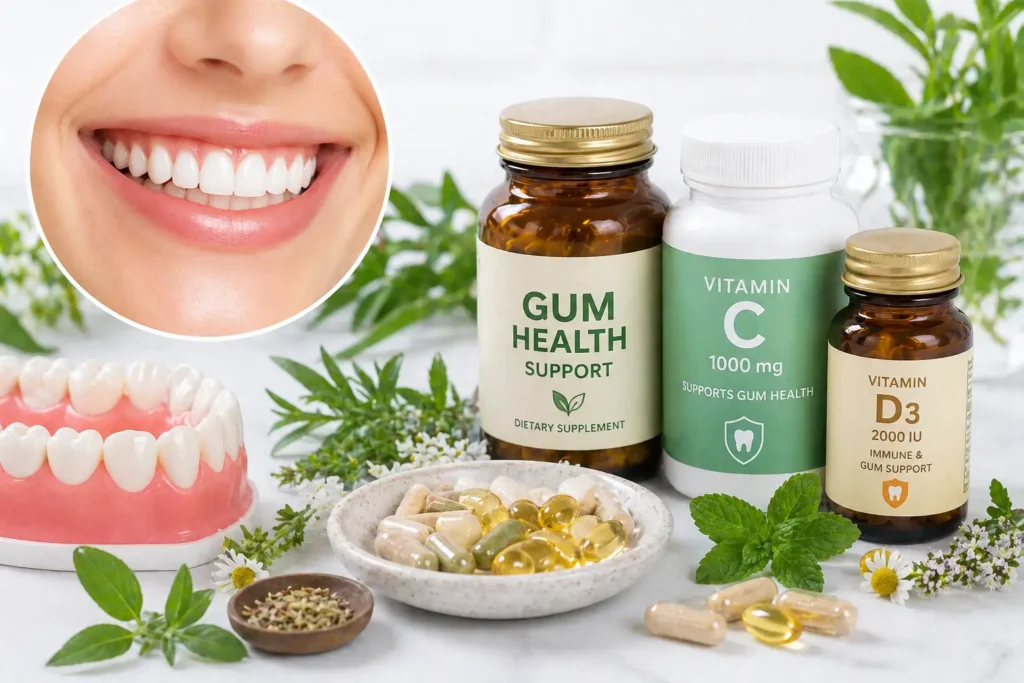
These supplements come in a variety of forms and may include different categories of ingredients that are commonly associated with oral and gum health support. While formulations vary, they are generally intended to complement—not replace—daily brushing, flossing, and professional dental care.
- Oral probiotics: These are designed to help support a balanced oral microbiome by introducing beneficial bacteria that may compete with less desirable strains.
- Vitamins and minerals: Nutrients such as vitamin C, vitamin D, and zinc are commonly associated with tissue health and immune function, which may influence how gums respond to everyday stressors.
- Herbal and plant-based compounds: Ingredients derived from plants, such as green tea extract or aloe vera, are often included for their potential soothing or antioxidant properties.
Rather than acting as a direct treatment, gum health supplements are typically positioned as a supportive approach. They may help maintain internal balance, which in turn could influence factors like inflammation, bacterial activity, and overall gum condition. However, results can vary depending on individual habits, health status, and consistency of use.
For those exploring different options, it may be helpful to understand how various formulations compare in terms of ingredients, intended use, and daily routines. Compare oral health supplements →
How Supplements May Support Gum Health
Gum health is influenced by a combination of external habits and internal biological processes. While brushing and flossing help manage plaque on the surface, supplements are often discussed for their potential to support underlying factors such as bacterial balance, tissue condition, and the overall oral environment. Rather than targeting a single issue, these approaches typically focus on creating conditions that may help gums remain more resilient over time.
Microbiome Balance
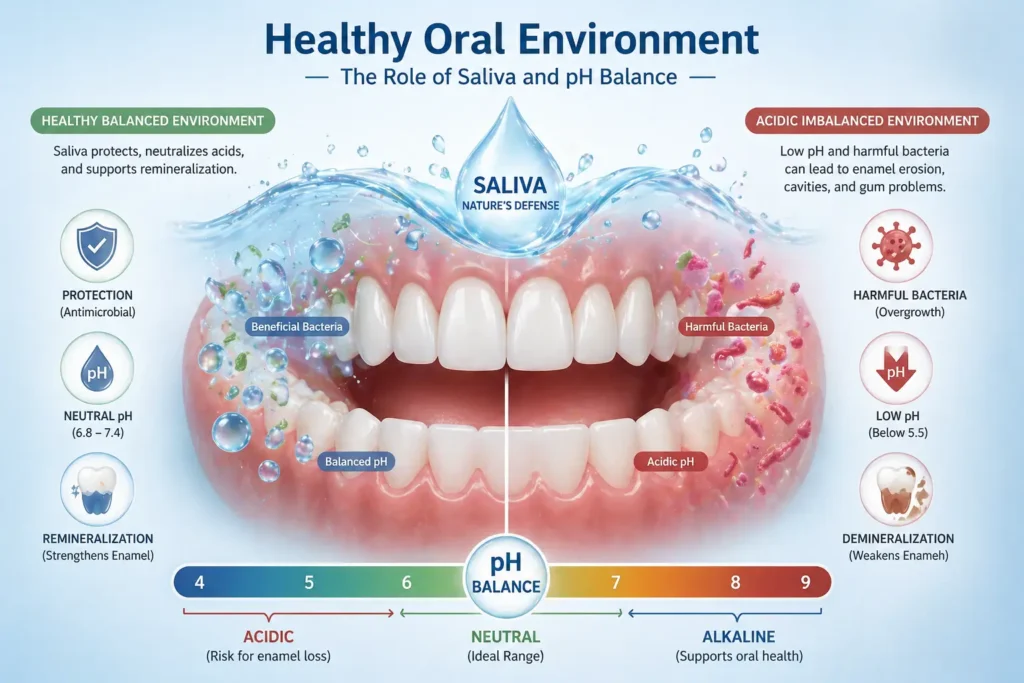
The oral microbiome consists of a wide range of bacteria that coexist within the mouth. Some of these bacteria are considered beneficial, while others may contribute to irritation when they become more dominant. Certain supplements, particularly oral probiotics, are designed to introduce or support beneficial strains that may help maintain balance. When this microbial environment remains stable, it may reduce the likelihood of imbalances that are commonly associated with gum discomfort or sensitivity. Understand oral microbiome balance →
Tissue Support and Nutrient Availability
Gum tissue, like other parts of the body, relies on adequate nutrients to maintain its structure and function. Vitamins and minerals such as vitamin C, vitamin D, and zinc are commonly associated with processes like collagen formation, immune response, and tissue repair. When nutrient intake is sufficient, it may support how the gums respond to everyday challenges such as plaque exposure or minor irritation. While supplements are not a substitute for a balanced diet, they may help fill nutritional gaps that could otherwise affect gum condition over time.
Supporting the Oral Environment
The mouth is a dynamic environment influenced by factors such as saliva flow, pH levels, and hydration. Saliva plays a key role in washing away debris, neutralizing acids, and maintaining a stable environment for oral tissues. Some ingredients found in supplements are associated with supporting these processes, either indirectly through hydration and mineral balance or through compounds that may help maintain a more neutral pH. When the oral environment remains balanced, it may create conditions that are less favorable for harmful bacterial activity.
Overall, supplements for gum health are typically positioned as a complementary approach. They are not intended to replace brushing, flossing, or professional dental care, but may offer additional support by addressing internal factors that are not always visible. As with any approach, individual responses can vary depending on lifestyle, consistency, and overall health.
Common Ingredients in Gum Health Supplements
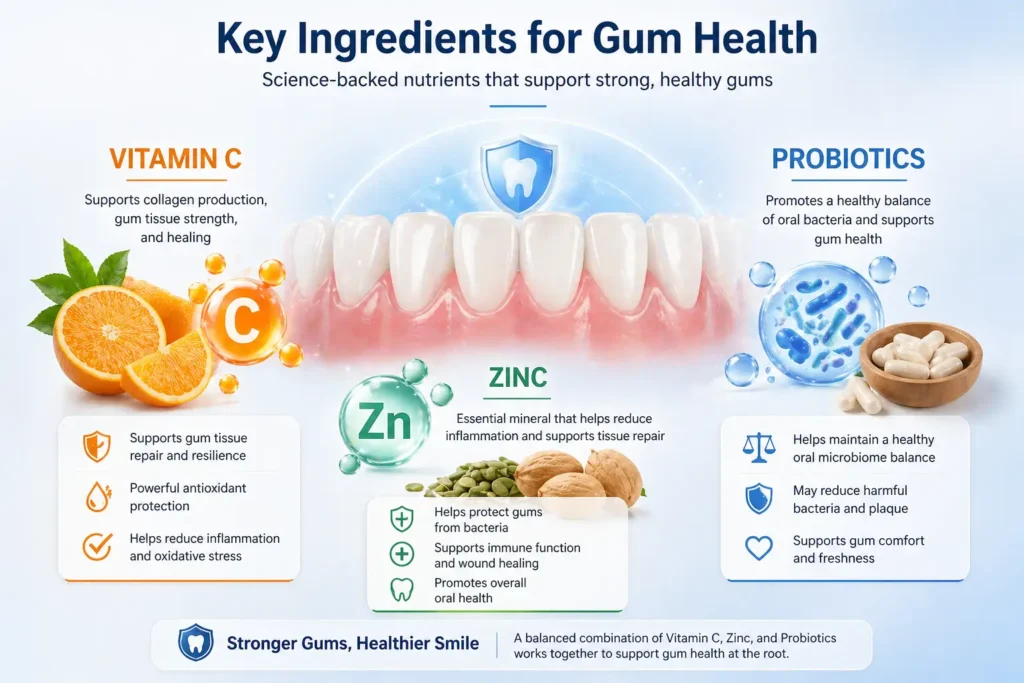
Gum health supplements often combine a range of ingredients that are commonly associated with supporting oral tissues, bacterial balance, and overall immune response. Rather than relying on a single compound, many formulations include a blend of nutrients, probiotics, and plant-based extracts that may work together to influence different aspects of the oral environment. Understanding these ingredients can help clarify how such supplements are intended to support gum health as part of a broader routine.
Oral Probiotics
Oral probiotics are designed to introduce beneficial bacteria into the mouth, with the goal of supporting a more balanced oral microbiome. These strains may help compete with less desirable bacteria that are commonly associated with plaque buildup and gum irritation. While research is still evolving, certain probiotic strains are being studied for their potential role in maintaining a stable microbial environment. This balance may influence how the gums respond to everyday exposure to bacteria and food particles.
Zinc
Zinc is a trace mineral that plays a role in immune function and tissue repair, both of which are relevant to gum health. It is commonly included in oral health supplements due to its potential involvement in reducing bacterial activity and supporting the body’s natural defense mechanisms. Zinc may also contribute to maintaining fresh breath by influencing compounds associated with odor. Learn how zinc may support oral health →
Vitamin C
Vitamin C is widely known for its role in collagen production, a structural protein that is important for maintaining the integrity of gum tissue. Adequate intake of vitamin C may help support the strength and resilience of the gums, particularly in response to minor irritation or inflammation. It is also associated with antioxidant activity, which may help the body manage oxidative stress within the oral environment.
Coenzyme Q10 (CoQ10)
Coenzyme Q10 is a compound naturally found in the body and is involved in cellular energy production. In the context of gum health, CoQ10 is often discussed for its potential role in supporting tissue function and reducing oxidative stress. Some studies have explored its relationship with gum conditions, particularly in individuals with lower levels of this compound. While findings are not definitive, it is commonly included in formulations aimed at supporting overall oral tissue health.
Herbal and Plant-Based Compounds
Many gum health supplements also include herbal ingredients such as green tea extract, aloe vera, chamomile, or neem. These plant-based compounds are often selected for their antioxidant or soothing properties. For example, green tea is commonly associated with polyphenols that may help support a balanced microbial environment, while aloe vera is often linked to calming effects on tissues. These ingredients are typically used to complement other components within a formula rather than act as standalone solutions.
Together, these ingredients reflect a multi-faceted approach to gum health. By addressing microbial balance, nutrient support, and environmental factors, supplements may provide an additional layer of support alongside regular oral hygiene practices. However, their effectiveness can vary depending on formulation, consistency of use, and individual health factors.
Best Supplements for Gum Health (Quick Picks)
There are many supplements marketed for gum and oral health, each using different ingredient combinations and approaches. Some focus on supporting the oral microbiome, while others emphasize nutrients or plant-based compounds associated with gum tissue and overall oral balance. Below are a few commonly discussed options, presented in a neutral, informational way to help you understand how they differ.
-
ProDentim
ProDentim is typically positioned as an oral probiotic supplement, containing strains of beneficial bacteria that may help support a balanced oral microbiome. It is often discussed in the context of maintaining bacterial equilibrium in the mouth, which may influence factors such as gum comfort and breath freshness. See how ProDentim is evaluated → -
Dentitox Pro
Dentitox Pro is commonly formulated as a liquid oral supplement that includes a blend of vitamins, minerals, and plant-based extracts. Its approach is generally centered on delivering nutrients that may support gum tissue and oral conditions through regular use. This type of formulation may appeal to those looking for an alternative to capsule-based supplements. Learn more about Dentitox Pro → -
ProvaDent
ProvaDent is another supplement often associated with oral microbiome support, combining probiotic strains with additional compounds aimed at supporting overall oral balance. It is typically described as part of a broader approach to maintaining gum and dental health over time, particularly when used consistently alongside daily hygiene habits. Explore how ProvaDent compares →
While these supplements are frequently mentioned in discussions about gum health, their effects can vary depending on individual factors such as diet, oral hygiene routine, and consistency of use. They are generally intended to complement—not replace—brushing, flossing, and regular dental care.
Comparison of Gum Health Supplements
Different gum health supplements are formulated with varying approaches, depending on their intended focus and ingredient profiles. Comparing key features side by side may help clarify which option aligns best with individual preferences and routines.
Each product differs in formulation and intended use. The table below reflects general positioning rather than clinical outcomes.
| Product | Format | Main Focus | Daily Use | Best For |
|---|---|---|---|---|
| ProDentim | Chewable Tablet | Oral microbiome balance | Once daily | Those interested in probiotic-based support |
| Dentitox Pro | Liquid Drops | Nutrient support for gums and teeth | Daily (applied or taken as directed) | Users preferring liquid formulations |
| ProvaDent | Capsule | Microbiome and oral balance | Once daily | Those seeking a combination probiotic formula |
| Steel Bite Pro | Capsule | Herbal and mineral-based oral support | 2–3 times daily | Users looking for plant-based ingredients |
| DentiCore | Capsule | Enzyme and mineral support | Once daily | Those interested in multi-ingredient blends |
Individual results may vary depending on factors such as consistency of use, overall oral hygiene habits, and general health status.
Who May Consider Gum Health Supplements?
Gum health supplements may be considered by individuals who want additional support alongside their daily oral hygiene routine. They are not intended to diagnose, treat, or replace dental care, but they may be relevant for people who are looking at oral health from a broader, internal-support perspective.
Someone with occasional gum sensitivity, tenderness, or irritation may explore these supplements as part of a more complete approach. Since gum comfort can be influenced by factors such as bacterial balance, nutrition, and inflammation response, certain ingredients may help support the conditions that contribute to healthier gums over time.
People who notice occasional bleeding gums may also be interested in learning more about nutrient-focused or microbiome-supportive formulas. However, bleeding gums can have several causes, including plaque buildup, brushing technique, or underlying gum issues, so persistent symptoms should be discussed with a dental professional.
Gum health supplements may also appeal to those dealing with recurring bad breath, especially when brushing, flossing, and mouthwash do not seem to fully resolve the issue. In some cases, breath concerns may be associated with bacterial imbalance or plaque activity in the mouth.
Overall, these supplements may be most suitable for individuals who already maintain basic oral care habits and want to complement that routine with additional internal support. They should be viewed as one part of a broader oral wellness plan, not a standalone solution.
Who Should Be Cautious?
While gum health supplements are often marketed as supportive products, they may not be suitable for everyone. Individuals with underlying medical conditions should approach these supplements with caution, as certain ingredients may interact with existing health concerns or ongoing treatments. For example, compounds that influence immune response, circulation, or inflammation may not be appropriate in all situations.
People who are currently taking medications should also be mindful of potential interactions. Some vitamins, minerals, or herbal extracts may affect how medications are absorbed or processed in the body. Even ingredients that are generally considered safe can have unintended effects when combined with prescription drugs or long-term therapies.
Pregnant or breastfeeding individuals are another group who may need to be especially cautious. During these periods, nutritional needs and sensitivities can change, and not all supplement ingredients have been well studied for safety in these contexts. As a result, it is often recommended to avoid introducing new supplements without proper guidance.
Because responses to supplements can vary, it is important to take an informed and individualized approach. Consulting a healthcare professional before starting any new supplement may help ensure that it aligns with personal health needs, existing conditions, and current medications.
Do Supplements for Gum Health Actually Work?
Supplements for gum health may offer supportive benefits for some people, but they should be viewed with realistic expectations. Gum health is influenced by several factors, including plaque control, oral hygiene habits, diet, hydration, smoking status, oral microbiome balance, and regular dental care. Because of this, no supplement is likely to work well as a standalone solution.
Some ingredients found in gum health supplements, such as probiotics, zinc, vitamin C, CoQ10, and certain herbal compounds, are commonly associated with bacterial balance, tissue support, or antioxidant activity. These mechanisms may be relevant to gum comfort and resilience, especially when used as part of a consistent oral care routine. However, the effectiveness of a supplement can vary depending on the formula, ingredient quality, dosage, and individual health factors.
It is also important to understand that supplements are not designed to provide instant results. Gum tissue and the oral environment may take time to respond to changes in routine. For many people, consistency matters more than short-term use. A supplement taken irregularly is unlikely to provide the same potential support as one used consistently alongside brushing, flossing, and healthy lifestyle habits.
In practical terms, gum health supplements may be most useful for people who already maintain basic oral hygiene but want additional internal support. They may help complement daily brushing and flossing by supporting factors that are not directly addressed by surface cleaning alone, such as nutrient intake or microbiome balance.
Overall, supplements for gum health may work best as part of a broader oral wellness strategy. They should not replace professional dental treatment, especially if symptoms such as bleeding, swelling, pain, or persistent bad breath continue. A balanced approach that combines good hygiene, regular dental checkups, and informed supplement use is likely to be more effective than relying on any single product.
Practical Ways to Support Gum Health Naturally
Supporting gum health often involves a combination of consistent daily habits and broader lifestyle factors. While supplements may play a complementary role, simple routines such as proper brushing, balanced nutrition, and adequate hydration remain central to maintaining a stable oral environment.

Brushing and flossing are the foundation of gum care, helping to remove plaque and food debris that can accumulate along the gumline. Using a soft-bristled toothbrush and gentle technique may help minimize irritation, while flossing can reach areas that brushing alone may miss. Over time, these habits may reduce the buildup that is commonly associated with gum sensitivity or inflammation. Learn ways to reduce plaque buildup →
Hydration is another often overlooked factor. Saliva plays an important role in maintaining oral balance by helping wash away particles, neutralize acids, and support the natural defense mechanisms of the mouth. When hydration levels are low, saliva production may decrease, which could affect how the gums respond to bacteria and daily stressors.
Diet can also influence gum health in several ways. Foods rich in vitamins and minerals—such as fruits, vegetables, and whole foods—may support tissue health and immune function. At the same time, frequent consumption of sugary or highly processed foods may contribute to bacterial activity and plaque formation. Over time, these patterns may affect how the gums react to everyday exposure. See how diet may affect oral health →
In addition to these core habits, factors such as stress management, sleep quality, and avoiding tobacco use may also play a role in maintaining healthy gums. Rather than relying on a single solution, a combination of consistent oral care and supportive lifestyle choices may offer a more balanced and sustainable approach to gum health.
Frequently Asked Questions About Gum Health Supplements
What are gum health supplements designed to do?
Can supplements replace brushing and flossing?
How long does it take to notice results?
Are gum health supplements safe for daily use?
Do oral probiotics really help gums?
What ingredients are commonly used in these supplements?
Who might benefit most from these supplements?
Are there any side effects to be aware of?
Final Thoughts
Gum health is shaped by a combination of daily habits and internal factors that work together over time. While brushing and flossing remain essential for managing plaque and maintaining cleanliness, they represent only one part of a broader picture. Elements such as bacterial balance, nutrition, hydration, and overall health may also influence how the gums respond to everyday stressors.
Supplements for gum health are often discussed as a way to support these internal conditions, particularly when used alongside a consistent oral care routine. Ingredients like probiotics, vitamins, minerals, and plant-based compounds may help maintain balance within the oral environment, although their effects can vary depending on individual factors.
Rather than relying on a single approach, a more balanced strategy that combines external care with internal support may offer a more sustainable path. Consistency—both in daily hygiene habits and any additional routines—is likely to play a key role in maintaining healthier gums over time.
Explore the full oral supplement guide →
About the Author
Alex Morgan writes about oral wellness, focusing on gum health, oral hygiene routines, and ingredient-based supplement reviews. His work aims to present clear, practical insights to help readers better understand how daily habits and product choices may support long-term oral health.