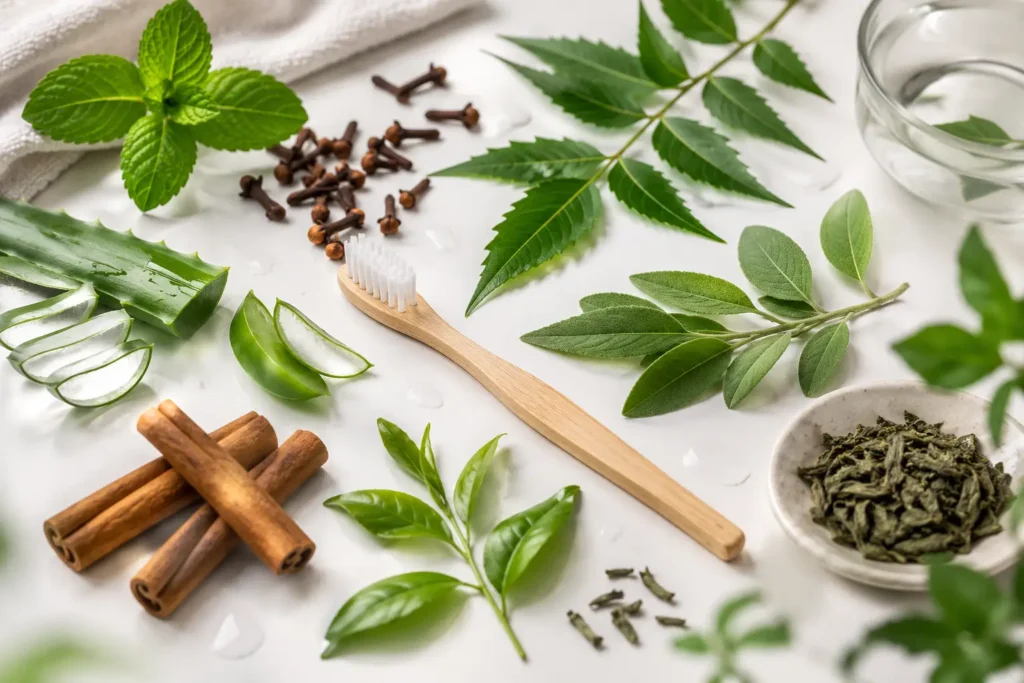
Herbal oral care ingredients are plant-based compounds commonly used in toothpaste, mouthwash, oral wellness supplements, and natural oral hygiene products.

Our reviews use research, public data, user feedback, and strict editorial standards for accuracy, clarity, and transparency. Learn how we review products →
Many people focus only on brushing and flossing, but modern oral wellness discussions increasingly explore how herbal ingredients, oral bacteria balance, and daily lifestyle habits may influence the overall oral environment. For example, growing interest in the oral microbiome has shifted how researchers and wellness brands discuss oral care and bacteria balance inside the mouth.
Herbal oral care ingredients are plant-derived compounds commonly used in toothpaste, mouthwash, oral wellness supplements, and other natural oral care products. Researchers and wellness brands have explored these ingredients in relation to fresh breath, gum comfort, oral cleanliness, and overall oral environment balance.
In recent years, interest in herbal oral care has grown alongside discussions surrounding the oral microbiome — the complex ecosystem of bacteria that naturally exists inside the mouth. Some herbs are traditionally used because they may support a cleaner-feeling mouth or are commonly associated with soothing properties.
Herbal ingredients are commonly found in herbal toothpaste, alcohol-free mouthwash, gum support formulas, oral probiotics, and breath-freshening blends. Depending on the ingredient and formula, they may be discussed in relation to fresh breath, gum comfort, saliva balance, and oral bacteria balance. You can also explore related topics such as supplements commonly discussed for gum health and common causes of bad breath.
- Commonly found in toothpaste, mouthwash, supplements, and natural oral care products
- Often discussed in relation to fresh breath, gum comfort, and oral bacteria balance
- Usually viewed as complementary to brushing, flossing, and professional dental care
Key Takeaways
- Herbal oral care ingredients are commonly found in toothpaste and mouthwash.
- Many herbs are discussed in relation to fresh breath and gum wellness.
- Modern oral care conversations increasingly focus on oral microbiome balance.
- Herbal products are generally viewed as complementary to daily oral hygiene.

Why Herbal Ingredients Are Commonly Discussed in Oral Care
Interest in herbal and natural oral care ingredients has grown significantly in recent years as more people explore broader wellness-focused approaches to daily health routines. Alongside conversations about nutrition, gut health, and lifestyle habits, oral wellness is increasingly being viewed as part of overall well-being rather than as an isolated topic. This shift has led to renewed attention toward plant-based ingredients traditionally used in oral hygiene practices across different cultures.
Long before modern commercial oral care products became widely available, many communities used herbs, roots, oils, and plant extracts as part of daily cleaning rituals for the mouth and teeth. Historical wellness traditions commonly referenced ingredients such as clove, neem, sage, peppermint, myrrh, eucalyptus, tea tree oil, and licorice root. These ingredients were often valued for their strong aromas, refreshing properties, or soothing qualities. While traditional use does not confirm clinical effectiveness, researchers have explored several plant compounds in oral care contexts to better understand how they may interact with the oral environment.
One reason herbal ingredients continue to attract attention is their common association with fresh breath and oral cleanliness. Aromatic herbs such as peppermint and eucalyptus are frequently used in toothpaste, chewing products, and mouthwash formulations because they can contribute to a cleaner-feeling mouth and fresher breath experience. Other plant compounds are discussed in relation to gum comfort and oral tissue soothing, especially in products designed for sensitive mouths or dry oral environments.
Modern discussions surrounding the oral microbiome have also influenced interest in herbal oral care. The mouth naturally contains a complex ecosystem of bacteria, fungi, and other microorganisms that continuously interact with saliva, food particles, and oral tissues. Researchers increasingly study how everyday habits — including diet, hydration, oral hygiene routines, and product choices — may influence this environment over time. In this context, certain herbal ingredients are commonly explored for their potential role in supporting overall oral balance or maintaining a cleaner oral environment.
However, oral wellness is considered multifactorial, meaning that no single ingredient is likely to determine overall oral health on its own. Factors such as brushing habits, flossing, saliva production, hydration, nutrition, tobacco exposure, stress levels, and regular dental care all contribute to the condition of the mouth and gums. Because of this, herbal ingredients are generally discussed as complementary components within a broader oral hygiene routine rather than as standalone solutions.
Today, herbal ingredients can be found in a wide range of oral wellness products, including toothpaste, mouthwash, oral sprays, chewing gums, breath-freshening products, and oral wellness supplements. Their popularity reflects a growing interest in simpler ingredient lists, plant-based wellness traditions, and more holistic discussions surrounding oral care. While scientific research continues to evolve, herbal oral care remains an active area of interest within both traditional wellness practices and modern oral health conversations.
Common Herbal Oral Care Ingredients
Herbal ingredients have been used in oral hygiene traditions for centuries and continue to appear in modern toothpaste, mouthwash, chewing products, oral wellness supplements, and other natural oral care formulations. While research surrounding plant compounds continues to evolve, many herbs are commonly discussed in relation to fresh breath, gum comfort, oral cleanliness, and oral microbiome balance. Below are several herbal ingredients frequently referenced in oral wellness discussions and natural oral care products.
Peppermint
Peppermint is one of the most widely recognized herbs in oral care products due to its cooling sensation and refreshing aroma. Traditionally used in herbal wellness practices, peppermint leaves and peppermint oil have long been associated with freshness and oral cleanliness. Today, peppermint is commonly included in toothpaste, mouthwash, breath sprays, chewing gum, and oral wellness products.
In oral care discussions, peppermint is often associated with fresh breath and a cleaner-feeling mouth. The herb contains naturally occurring compounds such as menthol, which contribute to its cooling effect. Researchers have explored peppermint oil in oral care contexts because of its aromatic properties and its role in creating a refreshing sensory experience.
Peppermint is also frequently used because strong flavor profiles can help improve the overall user experience of oral hygiene routines. While peppermint products may support temporary freshness, oral wellness is influenced by multiple factors including oral hygiene habits, hydration, diet, and oral bacteria balance.
Clove
Clove has a long history of traditional use in oral wellness practices across several cultures. Derived from the flower buds of the clove tree, clove is commonly recognized for its strong aroma and warming sensation. Historically, clove preparations were often used in oral hygiene rituals and traditional wellness approaches involving the mouth and gums.
In modern oral care products, clove is often included in herbal toothpaste, mouthwash, oils, and gum wellness blends. It is commonly associated with oral comfort and freshness. Researchers have explored clove-derived compounds such as eugenol in oral care contexts because of their unique aromatic and soothing characteristics.
Clove continues to appear in natural oral wellness discussions partly because traditional wellness systems viewed aromatic herbs as supportive for maintaining a cleaner-feeling oral environment. However, experts generally emphasize that oral health outcomes depend on broader oral hygiene and lifestyle habits rather than any single ingredient.
Neem
Neem is a plant traditionally used in Ayurvedic wellness practices and is frequently discussed in natural oral care traditions. In some regions, neem twigs were historically used as natural chewing sticks for oral cleaning practices. Because of this longstanding traditional use, neem remains a commonly referenced herb in oral wellness products today.
Neem is often included in herbal toothpaste, mouthwash, gum care products, and oral wellness supplements. It is commonly associated with oral cleanliness and gum wellness discussions. Some researchers have explored neem compounds in relation to oral bacteria balance and overall oral environment support.
Modern interest in neem has also grown alongside discussions surrounding the oral microbiome. Since the mouth naturally contains many types of microorganisms, researchers continue studying how plant compounds may interact with this environment. Neem is frequently discussed as part of broader natural oral care routines rather than as a standalone approach.
Tea Tree Oil
Tea tree oil is an essential oil derived from the leaves of the Melaleuca alternifolia plant. Traditionally used in Australian plant wellness practices, tea tree oil has become increasingly common in personal care and oral hygiene products.
In oral wellness discussions, tea tree oil is often associated with freshness and oral cleansing routines. It is commonly included in natural mouthwash formulas, toothpaste, and oral sprays. Researchers have explored tea tree oil in oral care contexts because of its distinctive plant compounds and strong aromatic profile.
Due to its concentrated nature, tea tree oil is usually used in carefully formulated amounts within oral care products rather than applied directly. Like many herbal ingredients, tea tree oil is generally discussed as one part of an overall oral hygiene routine that may include brushing, flossing, hydration, and professional dental care.
Licorice Root
Licorice root has been traditionally used in herbal wellness systems for centuries and is commonly recognized for its naturally sweet flavor. In oral care traditions, licorice root has historically appeared in herbal chewing products and botanical wellness preparations.
Today, licorice root extract is often included in herbal toothpaste, oral wellness supplements, and mouthwash formulas. It is commonly associated with soothing properties and oral comfort discussions. Researchers have explored various plant compounds found in licorice root in oral care contexts, particularly in relation to oral environment balance.
Because licorice root is frequently combined with other herbs in oral wellness products, it is usually discussed as part of broader botanical formulations designed to support everyday oral care routines. Oral wellness, however, remains multifactorial and influenced by many lifestyle and hygiene factors.
Aloe Vera
Aloe vera is widely known for its soothing gel-like texture and has long been used in skin and wellness traditions. In oral care discussions, aloe vera is commonly associated with hydration and gentle oral care formulations.
Aloe vera is often included in alcohol-free mouthwash, herbal toothpaste, oral gels, and products designed for sensitive oral environments. Researchers have explored aloe vera in oral care contexts because of its naturally occurring plant compounds and its traditional association with soothing wellness practices.
Some consumers prefer aloe vera-based oral products because they may provide a milder experience compared to highly intense flavor formulas. However, oral comfort and gum wellness are influenced by many different factors, including brushing habits, hydration, nutrition, and overall oral hygiene consistency.
Green Tea Extract
Green tea extract is derived from the leaves of the Camellia sinensis plant and has been consumed in wellness traditions for centuries. In recent years, green tea compounds have become increasingly common in oral wellness discussions and natural oral care products.
Green tea extract is commonly associated with antioxidant-rich plant compounds known as catechins. Researchers have explored these compounds in various wellness contexts, including oral care and oral microbiome discussions. Because of this interest, green tea extract is often included in herbal toothpaste, oral rinses, and oral wellness supplements.
In oral care products, green tea is frequently discussed in relation to freshness, oral cleanliness, and oral environment support. Many wellness-focused formulations combine green tea extract with mint or botanical blends designed to support a balanced-feeling oral routine.
Cinnamon
Cinnamon is a spice derived from the bark of cinnamon trees and has a long history of culinary and traditional wellness use. Its warm aroma and strong flavor have made it a common ingredient in oral care products for many years.
Cinnamon is often included in toothpaste, mouthwash, chewing gum, and breath-freshening products. It is commonly associated with freshness and aromatic oral care experiences. Researchers have explored cinnamon compounds in oral care discussions because aromatic plant extracts are frequently studied in relation to oral cleanliness and oral wellness routines.
Many herbal oral care products combine cinnamon with peppermint, clove, or other botanical ingredients to create balanced flavor profiles. While cinnamon contributes to sensory freshness, maintaining oral wellness typically requires a combination of consistent hygiene habits and overall lifestyle factors.
Sage
Sage has traditionally been used in herbal wellness practices and was historically associated with cleansing and freshness rituals. In some traditional oral hygiene methods, sage leaves were used in rinses or herbal preparations for maintaining oral cleanliness.
Today, sage is commonly included in herbal mouthwash, toothpaste, and botanical oral care products. It is often associated with fresh breath and natural oral care routines. Researchers have explored sage-derived plant compounds in oral care contexts as interest in herbal wellness ingredients continues to expand.
Sage is frequently discussed alongside other herbs used in oral microbiome and gum wellness conversations. However, oral health is influenced by many overlapping factors, including daily hygiene practices, diet, hydration, and professional dental care habits.
Myrrh
Myrrh is a resin obtained from certain tree species and has been used historically in wellness and ceremonial traditions for thousands of years. In traditional oral care practices, myrrh was often included in herbal rinses and botanical oral preparations.
In modern oral wellness products, myrrh is commonly associated with gum wellness and oral cleanliness discussions. It is often included in herbal toothpaste, mouthwash, tinctures, and botanical oral care blends. Researchers have explored myrrh compounds in oral care contexts because of their historical use and aromatic characteristics.
Interest in myrrh has continued alongside growing consumer interest in plant-based oral wellness products and traditional herbal practices. As with other herbal ingredients, myrrh is generally discussed as one component of broader oral hygiene routines rather than as a replacement for daily dental care habits.
Herbal Ingredients & The Oral Microbiome
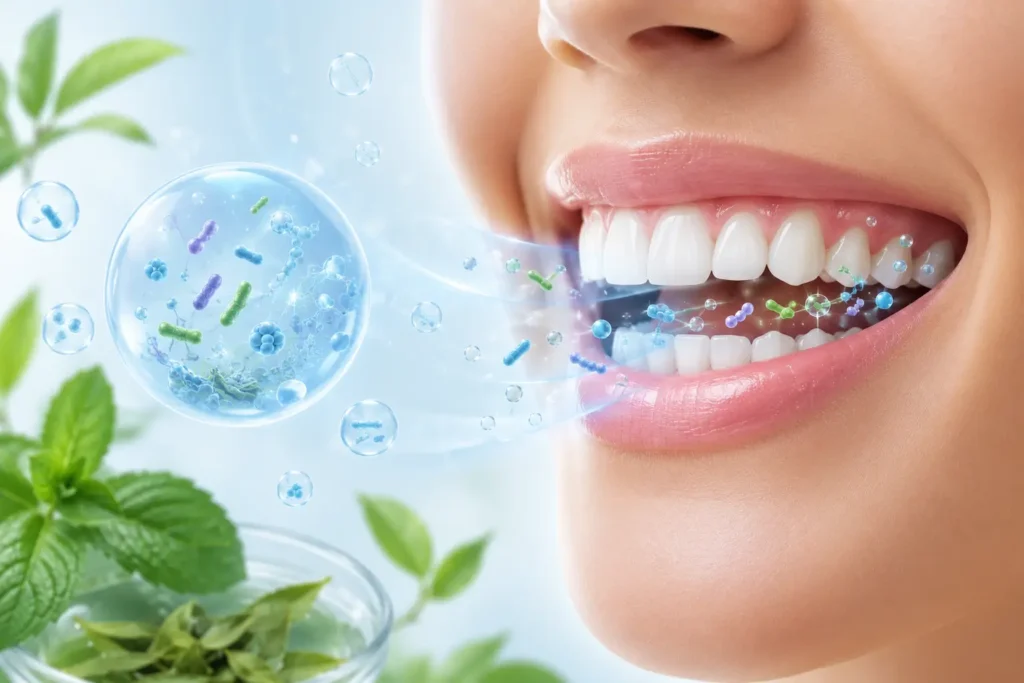
In recent years, oral wellness discussions have increasingly focused on the oral microbiome — the complex ecosystem of bacteria, fungi, and other microorganisms naturally found inside the mouth. Rather than viewing all oral bacteria as harmful, researchers now recognize that many microorganisms play important roles in maintaining a stable oral environment. This shift in perspective has influenced how modern oral care products and herbal ingredients are commonly discussed.
The oral microbiome exists across the teeth, gums, tongue, cheeks, and saliva. Under normal conditions, these microorganisms interact in a balanced ecosystem often referred to as oral ecology. When this environment remains relatively stable, it may support everyday oral comfort and freshness. However, when certain bacteria begin to dominate or multiply excessively, the balance of the oral environment may shift over time.
Researchers have explored how factors such as diet, hydration, smoking, stress, medications, oral hygiene habits, and saliva production may influence oral microbiome balance. Additional educational information about oral health and oral hygiene practices can also be found through organizations such as the American Dental Association. Everyday concerns such as unpleasant breath, plaque accumulation, gum sensitivity, or dry mouth are increasingly discussed in relation to these broader microbial interactions rather than being viewed as isolated issues alone.
Because of this evolving understanding, many modern oral wellness conversations now focus on the idea of microbial balance rather than attempting to “eliminate all bacteria.” Completely removing bacteria from the mouth is neither realistic nor considered desirable, since many microorganisms naturally contribute to a healthy oral environment. Instead, researchers often discuss the importance of supporting conditions that allow beneficial and neutral bacteria to coexist without excessive overgrowth from certain species.
This balance-focused perspective has also contributed to growing interest in herbal oral care ingredients. Certain plant compounds are sometimes explored in oral microbiome discussions because of their historical use in oral hygiene traditions and their potential interaction with the oral environment. Herbs such as peppermint, clove, neem, tea tree oil, green tea extract, sage, and myrrh are commonly included in toothpaste, mouthwash, oral sprays, and oral wellness products designed to support a cleaner-feeling mouth or fresher breath experience.
Researchers have explored various botanical compounds in laboratory and oral care contexts, although scientific understanding continues to evolve. In many cases, herbal ingredients are discussed not as substances intended to sterilize the mouth, but rather as components that may support a balanced-feeling oral environment when combined with consistent hygiene practices. This distinction is important because oral wellness is widely considered multifactorial and influenced by many overlapping lifestyle and biological factors.
Some herbal ingredients are also commonly associated with soothing properties or freshening effects, which may contribute to how oral care products feel during daily use. Others are discussed in relation to oral cleanliness, saliva balance, or the overall sensory experience of oral hygiene routines. However, experts generally emphasize that brushing, flossing, hydration, nutrition, and regular dental care remain central components of maintaining oral wellness over time.
Interest in the oral microbiome has also contributed to a broader shift toward gentler and more balanced oral care formulations. Some consumers now seek products that avoid overly harsh ingredients while still supporting freshness and cleanliness. This trend has encouraged growing interest in alcohol-free mouthwash, botanical oral care blends, oral probiotics, and plant-based oral wellness products.
Although research surrounding the oral microbiome is still developing, the topic continues to shape how oral wellness is discussed in both scientific and consumer health spaces. Rather than focusing solely on removing bacteria, modern conversations increasingly emphasize supporting a balanced oral environment through consistent daily habits and thoughtful oral care choices. For a deeper overview of this topic, see our Oral Microbiome Guide.
Herbal Ingredients Commonly Found in Oral Supplements
Herbal ingredients are increasingly being included in oral wellness supplements and natural oral care formulations as interest in holistic wellness approaches continues to grow. In addition to traditional toothpaste and mouthwash products, many modern oral wellness routines now include capsules, chewable tablets, oral probiotics, breath sprays, and botanical blends designed to support everyday oral hygiene habits.
Some oral wellness supplements include herbal extracts commonly associated with gum comfort and breath freshness. Ingredients such as peppermint, clove, neem, sage, cinnamon, tea tree oil, aloe vera, and licorice root are frequently discussed in relation to oral cleanliness, fresh breath support, and oral environment balance. These ingredients are often combined with minerals, probiotics, or plant-based compounds in broader oral wellness formulas.
Gum wellness supplements commonly include herbal extracts alongside nutrients such as zinc, vitamins, or antioxidant-rich plant compounds. These formulations are generally discussed as supportive additions to regular oral hygiene routines rather than replacements for brushing, flossing, or professional dental care. Researchers continue exploring how lifestyle factors, oral bacteria balance, and ingredient combinations may influence the oral environment over time.
Natural breath support products also frequently incorporate herbal ingredients because of their aromatic properties and refreshing sensory effects. Peppermint, cinnamon, clove, and eucalyptus are commonly found in mouth sprays, breath fresheners, chewing products, and herbal mouthwash formulas. In many cases, these ingredients are included to create a cleaner-feeling mouth or a fresher breath experience during daily oral care routines.
Oral probiotic products have also contributed to growing interest in herbal oral wellness formulations. Some products combine beneficial bacteria strains with herbal extracts commonly discussed in oral microbiome conversations. This reflects a broader shift in oral wellness discussions toward supporting balance within the oral environment rather than focusing solely on eliminating bacteria. You can learn more about oral probiotic-focused formulations in our ProDentim review.
Other oral wellness products combine botanical ingredients with enzymes, minerals, or probiotic blends designed to support overall oral hygiene routines. Herbal ingredients are commonly included in these formulas because they are traditionally associated with freshness, gum comfort, or oral cleanliness. For example, some gum-focused oral wellness products discussed online may include ingredients such as neem, clove, berberine, or turmeric as part of broader herbal formulations. Additional examples can be explored in our Steel Bite Pro review.
Mouth sprays and oral hygiene products also frequently use herbal extracts because of their portability and ease of use throughout the day. Botanical sprays containing peppermint, tea tree oil, sage, or eucalyptus are often marketed as convenient additions to oral hygiene routines, particularly for freshness support between brushing sessions.
As oral wellness discussions continue evolving, many consumers are increasingly interested in products that combine probiotics, minerals, and plant-based ingredients within a single formula. Some formulations focus on oral microbiome balance, while others emphasize freshness, gum wellness, or oral cleanliness support. Products that combine probiotics with herbal ingredients are also commonly discussed in modern oral wellness conversations, including in our ProvaDent review.
Although herbal ingredients remain popular in oral wellness supplements, experts generally note that oral health is multifactorial. Consistent brushing, flossing, hydration, nutrition, and routine dental care continue to play central roles in maintaining long-term oral wellness.
Potential Benefits Commonly Discussed
Herbal oral care ingredients are frequently discussed in relation to freshness, oral comfort, and everyday oral hygiene support. While scientific research continues to evolve, many plant-based ingredients are commonly included in oral wellness products because of their traditional use, aromatic qualities, or naturally occurring compounds. The table below summarizes several topics often associated with herbal oral care ingredients in modern wellness discussions.
| Common Discussion Area | How Herbal Ingredients Are Commonly Discussed |
|---|---|
| Fresh Breath Support | Herbs such as peppermint, cinnamon, eucalyptus, and clove are commonly associated with oral freshness and cleaner-feeling breath experiences. |
| Gum Wellness Discussions | Ingredients like neem, myrrh, sage, and aloe vera are often included in products discussed in relation to gum comfort and oral wellness routines. |
| Oral Comfort | Certain herbal extracts are traditionally used in soothing oral care preparations and may contribute to a gentler oral care experience. |
| Oral Hygiene Support | Herbal ingredients are commonly found in toothpaste, mouthwash, sprays, and oral wellness supplements designed to support daily hygiene habits. |
| Antioxidant Discussions | Green tea extract and certain botanical compounds are frequently discussed because they naturally contain antioxidant-related plant compounds. |
| Oral Freshness | Aromatic herbs are often included in oral care formulations to help create a refreshed and cleaner-feeling mouth during daily routines. |
Although herbal ingredients are commonly discussed in oral wellness conversations, experts generally emphasize that oral health is influenced by many interconnected factors. Brushing, flossing, hydration, nutrition, saliva balance, and regular dental care remain foundational components of maintaining oral wellness over time.
In many cases, herbal ingredients are viewed as complementary additions to broader oral hygiene routines rather than standalone solutions. Researchers continue exploring how plant compounds, oral bacteria balance, and everyday lifestyle habits may interact within the oral environment.
Safety & Precautions
Herbal oral care products are often marketed as gentler or more natural alternatives to conventional oral hygiene formulations. However, “natural” does not automatically mean risk-free. Like many personal care ingredients, herbal extracts and essential oils may affect individuals differently depending on concentration, product quality, personal sensitivities, and frequency of use. Understanding basic safety considerations can help consumers make more informed choices when using herbal oral wellness products.
One important consideration involves essential oils, which are highly concentrated plant extracts commonly found in toothpaste, mouthwash, oral sprays, and breath-freshening products. Ingredients such as peppermint oil, tea tree oil, eucalyptus oil, cinnamon oil, and clove oil are widely used because of their strong aromas and refreshing sensory effects. However, concentrated essential oils may irritate sensitive oral tissues in some individuals, particularly when used excessively or in poorly diluted forms.
Symptoms of irritation may include burning sensations, dryness, mouth discomfort, or temporary sensitivity inside the mouth. Some individuals may also experience reactions to strong flavors or aromatic compounds, especially if they already have sensitive gums or oral tissues. Because oral tissue is delicate, products containing essential oils are typically formulated in carefully controlled concentrations rather than used directly in raw form.
Proper dilution is especially important with essential oils. Direct application of undiluted oils inside the mouth is generally discouraged unless guided by a qualified healthcare professional. Certain concentrated oils may be too harsh for routine oral use and could increase the likelihood of irritation or discomfort when used improperly.
Allergic reactions and ingredient sensitivities are another consideration. Herbal ingredients such as cinnamon, clove, tea tree oil, peppermint, or botanical extracts may trigger sensitivities in some individuals. Reactions can vary widely and may include redness, irritation, swelling, or discomfort. Individuals with known allergies to specific plants, herbs, or essential oils may wish to review product ingredient labels carefully before use.
It is also important to recognize that some oral care ingredients are intended for rinsing or topical use only and should not be swallowed. Essential oils and concentrated herbal extracts may not be suitable for ingestion in large amounts, particularly in children. Consumers should follow product instructions carefully and store oral care products safely out of reach of young children.
Pregnancy and child safety considerations are especially important when using herbal or essential oil-based products. Some plant compounds may not have extensive safety data available for pregnant individuals, nursing mothers, or very young children. Because formulations vary significantly, individuals in these groups may benefit from discussing oral care product choices with a healthcare provider or dental professional before routine use.
Another important point is that herbal oral care products are not intended to replace routine oral hygiene practices. Brushing with fluoride toothpaste when appropriate, flossing regularly, maintaining hydration, and receiving routine dental care remain central components of long-term oral wellness. Herbal products are generally discussed as complementary additions to broader oral hygiene routines rather than substitutes for professional care.
Persistent symptoms such as ongoing gum discomfort, bleeding, severe dry mouth, chronic bad breath, oral pain, or visible changes inside the mouth should not be ignored. Because oral health concerns can involve multiple underlying factors, consulting a dentist or qualified healthcare professional may help determine whether additional evaluation or treatment is appropriate.
As interest in herbal oral care continues to grow, many consumers appreciate products with simpler ingredient lists or plant-based formulations. Still, balanced guidance remains important. Choosing reputable products, following usage directions carefully, and maintaining consistent oral hygiene habits may help support safer and more informed use of herbal oral care ingredients over time.
Practical Ways to Support Oral Wellness Naturally
Oral wellness involves more than simply keeping teeth clean. Researchers increasingly discuss the mouth as a complex environment influenced by hygiene habits, diet, hydration, sleep, stress, saliva balance, and the oral microbiome. While no single routine guarantees perfect oral health, consistent daily habits may help support a healthier and more balanced oral environment over time.
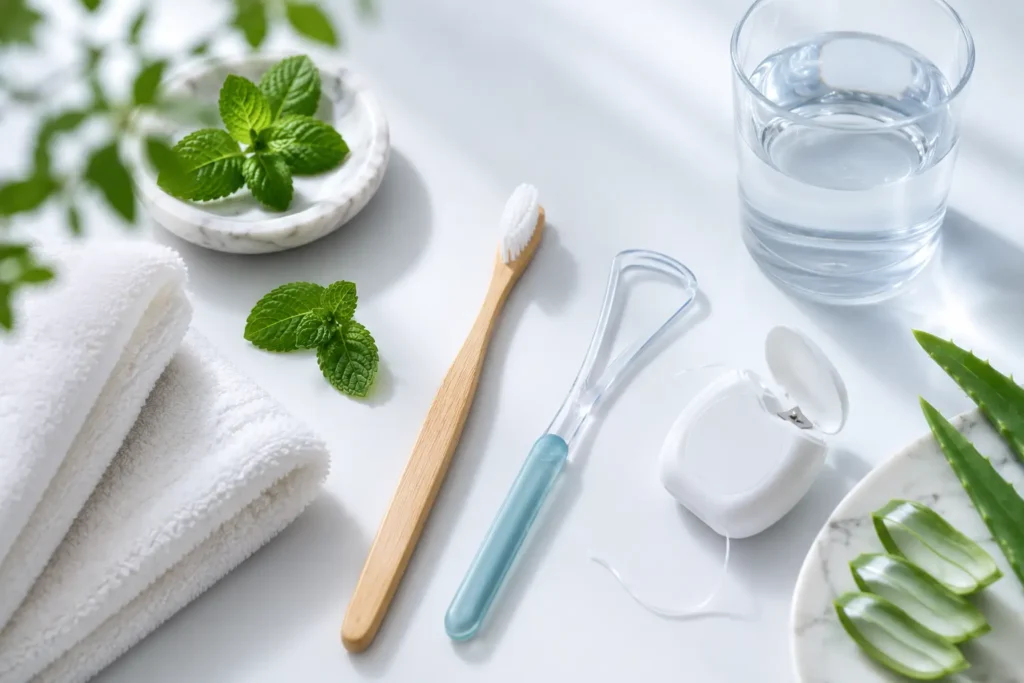
One of the most important habits remains regular brushing. Brushing helps remove food particles, surface buildup, and debris that naturally accumulate throughout the day. Many dental professionals recommend brushing at least twice daily using gentle techniques that clean the teeth and gumline without excessive force. Harsh brushing may irritate sensitive tissues, so a soft-bristled toothbrush is often preferred for everyday use.
Flossing is another commonly recommended practice because toothbrush bristles cannot easily reach between all tooth surfaces. Food particles and plaque may collect in these tighter spaces, which can contribute to unpleasant breath or gum irritation over time. Regular flossing may help support a cleaner oral environment when combined with consistent brushing habits.
Tongue cleaning is also increasingly discussed in oral wellness conversations. The surface of the tongue naturally contains bacteria, food debris, and dead cells that may contribute to oral odor or buildup. Some people use tongue scrapers or toothbrushes specifically designed for tongue cleaning as part of their daily routine. While approaches vary, maintaining tongue cleanliness is commonly associated with fresher breath and a cleaner-feeling mouth.
Hydration plays an important role in oral wellness as well. Saliva helps maintain moisture inside the mouth and contributes to the natural cleansing process of the oral environment. Dry mouth may allow food particles and bacteria to linger longer on oral surfaces. Drinking enough water throughout the day may help support saliva flow and overall oral comfort.
Diet is another factor increasingly discussed in relation to oral microbiome balance. Foods and beverages may influence the oral environment in different ways depending on sugar content, acidity, texture, and frequency of consumption. Diets high in sugary snacks or sweetened beverages are commonly discussed in relation to plaque buildup and oral bacteria overgrowth. In contrast, balanced meals containing fiber-rich vegetables, proteins, healthy fats, and water-rich foods may support overall oral wellness habits.
Reducing excessive sugar intake is often recommended as part of a balanced oral care routine. Certain oral bacteria naturally feed on sugars left behind inside the mouth, which may influence plaque formation over time. While occasional treats are part of many lifestyles, limiting frequent sugar exposure throughout the day may help support a healthier oral environment. You can learn more about nutrition-related oral wellness discussions in our Diet and Oral Health guide.
Sleep and broader lifestyle habits may also influence oral wellness indirectly. Researchers have explored how stress, sleep quality, smoking, alcohol intake, and daily routines may affect saliva production, oral bacteria balance, and overall oral comfort. For example, poor sleep or chronic stress may contribute to dry mouth or inconsistent hygiene routines in some individuals.
Discussions surrounding the oral microbiome have also shifted how many experts think about oral hygiene. Rather than focusing solely on removing bacteria, modern wellness conversations often emphasize maintaining balance within the oral ecosystem. The mouth naturally contains beneficial, neutral, and potentially problematic microorganisms that interact continuously with saliva, diet, and oral surfaces. Daily hygiene habits may help support a more balanced oral environment over time.
Routine dental checkups remain an important part of long-term oral wellness. Professional cleanings and examinations may help identify concerns that are difficult to notice at home. Persistent gum discomfort, chronic bad breath, oral pain, or visible changes inside the mouth should be evaluated by a qualified dental professional when needed.
Finally, many people choose to incorporate supportive oral wellness products into their routines, including mouthwash, oral probiotics, herbal toothpaste, or botanical oral care products. However, these products are generally considered complementary tools rather than replacements for consistent brushing, flossing, hydration, and routine care. Additional practical tips can also be found in our guide on practical ways to reduce plaque naturally.
Frequently Asked Questions
What are herbal oral care ingredients?
Are herbal oral care products better than regular toothpaste?
Which herbs are commonly associated with fresh breath?
Are herbal ingredients commonly discussed for gum wellness?
What is the oral microbiome?
Can herbal toothpaste support oral microbiome balance?
Are herbal mouthwashes safe for daily use?
Can essential oils irritate the mouth?
Do herbal oral care products replace brushing and flossing?
Final Thoughts
Herbal oral care ingredients continue to attract attention within modern oral wellness discussions, particularly as interest grows around the oral microbiome and the broader relationship between daily habits and oral health. Ingredients such as peppermint, clove, neem, aloe vera, sage, myrrh, and green tea extract are commonly included in toothpaste, mouthwash, oral wellness supplements, and botanical oral care products because of their traditional use and association with freshness, oral comfort, and gum wellness routines.
At the same time, researchers increasingly recognize that oral wellness is influenced by many interconnected factors rather than any single ingredient or product alone. Brushing, flossing, hydration, balanced nutrition, sleep quality, saliva balance, lifestyle habits, and routine dental care all contribute to the overall condition of the oral environment. Because of this, herbal ingredients are generally viewed as complementary wellness tools that may support broader oral hygiene routines rather than quick fixes or standalone solutions.
Modern oral wellness conversations have also shifted toward the concept of balance. Rather than focusing solely on eliminating bacteria, many discussions now emphasize supporting a healthier oral ecology and maintaining balance within the oral microbiome. This evolving perspective has influenced the growing popularity of gentler oral care products, oral probiotics, and botanical formulations commonly discussed in relation to oral freshness and microbiome-friendly routines.
While scientific understanding of herbal compounds and the oral microbiome continues to develop, consistency remains one of the most important themes in long-term oral wellness. Daily oral hygiene habits practiced regularly over time are generally considered more important than relying on highly marketed “quick solutions” or trend-based products.
Ultimately, maintaining oral wellness typically involves a balanced and practical approach: consistent brushing and flossing, thoughtful lifestyle habits, regular dental checkups, and informed product choices that fit individual preferences and needs. Herbal oral care ingredients may play a supportive role within that broader routine, particularly for individuals interested in plant-based or wellness-oriented oral care approaches.
About the Author
Alex Morgan writes about oral wellness, focusing on gum health, oral hygiene routines, and ingredient-based supplement reviews. His work aims to present clear, practical insights to help readers better understand how daily habits and product choices may support long-term oral health.