
Our reviews use research, public data, user feedback, and strict editorial standards for accuracy, clarity, and transparency. Learn how we review products →
If you’ve ever struggled with bad breath that keeps coming back, gum sensitivity that doesn’t fully go away, or plaque buildup despite brushing regularly, these issues may be linked to something deeper—an imbalance in oral bacteria.
While most discussions focus on adding probiotics, fewer explain why the effectiveness depends on whether those bacteria can actually survive and integrate within the oral environment.
When people think about probiotics, they often associate them with gut health. However, interest in oral probiotics has grown as more attention is placed on the balance of bacteria in the mouth. Issues like persistent bad breath, gum sensitivity, or recurring plaque buildup have led many to explore whether supporting the oral microbiome internally may make a difference.
What Are Oral Probiotics?
Oral probiotics are beneficial bacteria specifically selected to support the microbial environment of the mouth. Similar to gut probiotics, they are live microorganisms that are commonly used to help maintain a balanced microbiome—but they are designed to act in the oral cavity rather than the digestive system.
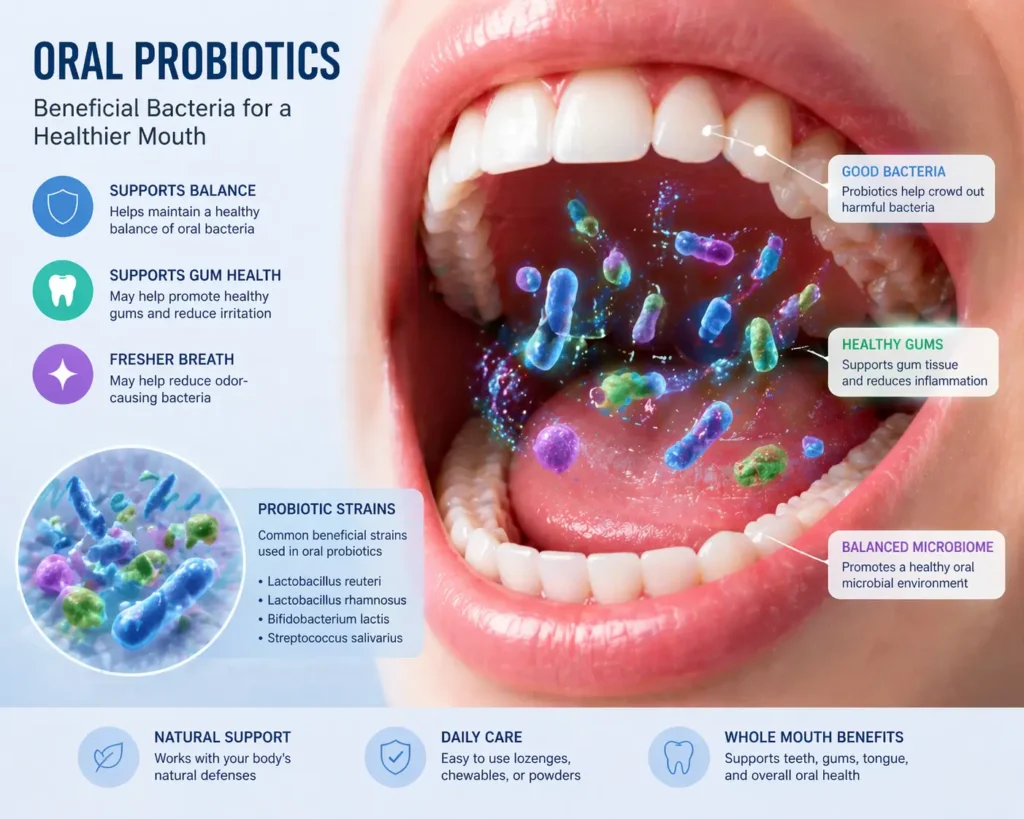
In real life, oral probiotics are often available in forms such as lozenges, chewables, or powders that dissolve in the mouth. This delivery method allows the bacteria to interact directly with oral tissues, including the gums, tongue, and inner cheeks.
From an oral health perspective, these probiotics are associated with supporting the oral microbiome and overall bacterial balance, helping maintain a more stable environment. This balance is important for maintaining gum health and reducing the dominance of harmful bacteria that may contribute to common concerns.
Why Oral Probiotics Benefits Matter
The potential benefits of oral probiotics are tied to their role in maintaining microbial balance. The mouth is home to a complex ecosystem of bacteria, and disruptions in this balance may contribute to issues such as bad breath, gum irritation, and plaque buildup.
In everyday terms, maintaining this balance may help:
- Support fresher breath
- Promote healthier-looking gums
- Contribute to a more stable oral environment
These outcomes are closely connected to oral health because an imbalanced microbiome may allow harmful bacteria to thrive. Over time, this can influence inflammation levels and how well the gums support the teeth.
Oral vs. Gut Probiotics: What’s the Difference?
While both oral and gut probiotics involve beneficial bacteria, their intended roles and delivery methods differ.
Gut probiotics are typically swallowed and designed to support digestion and intestinal balance. They pass through the digestive tract and are not primarily intended to remain in the mouth.
Oral probiotics, on the other hand, are formulated to stay in the mouth longer. They are often designed to dissolve slowly, allowing direct interaction with oral surfaces.
In real-life use, this distinction matters because the effectiveness of probiotics depends on where they are active. For oral health, probiotics need to engage with the oral microbiome to influence bacteria balance and gum conditions.
How Oral Probiotics May Support Oral Bacteria Balance
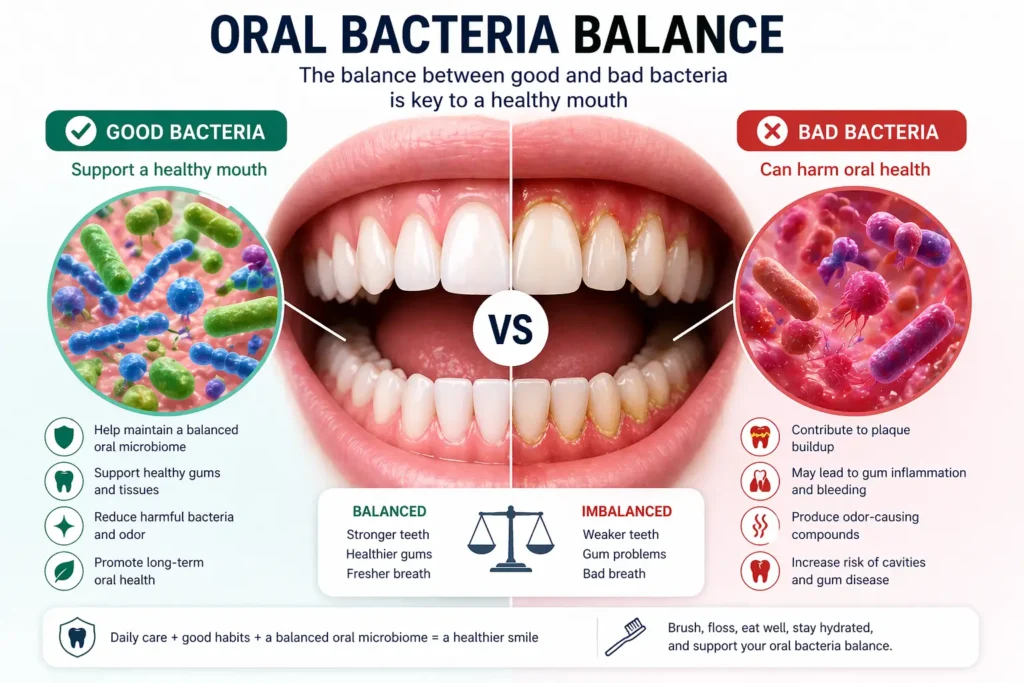
Oral probiotics are commonly associated with promoting a balanced microbial environment. They may do this by competing with harmful bacteria for space and resources.
In practical terms, this may help limit the overgrowth of bacteria linked to plaque formation and gum irritation. A more balanced microbiome is generally associated with improved gum comfort and reduced odor-causing compounds.
This connection is important because oral bacteria balance plays a central role in long-term oral health. When beneficial bacteria are present in appropriate amounts, they may help maintain a more stable and less inflammatory environment.
Potential Role in Breath and Gum Support
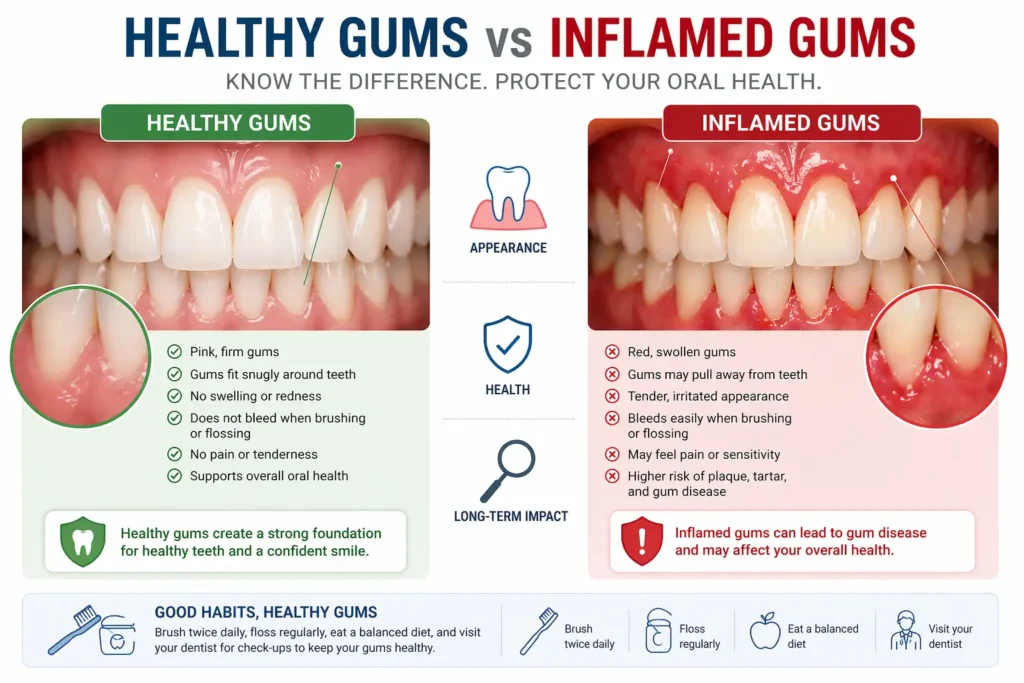
One of the commonly discussed oral probiotics benefits is their potential role in supporting breath freshness and gum health.
Breath: Certain bacteria in the mouth produce sulfur compounds that contribute to bad breath. By influencing bacterial balance, oral probiotics may help reduce the presence of these odor-producing microbes.
Gums: Gum health is closely linked to inflammation and bacterial activity. A balanced microbiome may support a more controlled inflammatory response, which is associated with healthier gum tissue.
In real life, this may translate to less irritation, reduced sensitivity, and a more comfortable oral environment when combined with proper hygiene practices.
Key Factors That Influence Effectiveness
1. Delivery Method
The way oral probiotics are delivered plays a significant role in how they interact with the mouth. Lozenges and chewables allow bacteria to remain in contact with oral tissues longer compared to capsules that are swallowed.
This matters in real life because direct contact increases the likelihood that beneficial bacteria can integrate into the oral environment and influence bacterial balance.
2. Consistency of Use
Like many health-related habits, consistency may influence outcomes. Occasional use may not provide the same level of support as regular use over time.
For oral health, consistent exposure to beneficial bacteria may help maintain a more stable microbiome, especially when combined with daily hygiene routines.
3. Daily Habits and Diet
Oral probiotics do not work in isolation. Diet, sugar intake, and hygiene habits all influence the oral environment.
For example, high sugar consumption may encourage the growth of harmful bacteria, potentially counteracting the benefits of probiotics. Similarly, poor brushing habits may allow plaque to accumulate.
This highlights the importance of combining internal support with external care for overall gum health and oral stability.
Research and Limitations
While interest in oral probiotics continues to grow, research in this area is still evolving. Some studies suggest potential benefits for breath and gum health, but results may vary depending on the strains used and individual factors.
In real-life terms, this means oral probiotics are not a guaranteed solution. They are better understood as a supportive approach rather than a replacement for established oral care practices.
Understanding these limitations helps set realistic expectations and encourages a balanced approach to oral health.
How to Improve Oral Health Alongside Probiotics
Supporting oral health involves a combination of external and internal strategies.
External care:
- Brushing twice daily
- Flossing regularly
- Using mouthwash when appropriate
Internal support:
- Maintaining a balanced diet
- Staying hydrated
- Supporting overall health and immune function
Oral probiotics may fit into this framework as part of internal support, but they are most effective when combined with consistent hygiene practices.
Do Supplements Use This Approach?
Some oral health supplements are formulated with the idea of supporting internal factors related to oral conditions, including bacterial balance and inflammation.
These formulations may include probiotics, plant extracts, vitamins, or minerals that are commonly associated with tissue health and microbial balance.
However, it is important to note that not all supplements use probiotics specifically. Some focus on broader internal support rather than introducing live bacteria directly.
In real life, this means consumers may encounter a range of approaches within the same category, each aiming to complement traditional oral care methods rather than replace them.
Conclusion
Oral probiotics benefits are closely linked to their potential role in supporting a balanced oral microbiome. By influencing bacterial activity in the mouth, they may contribute to fresher breath, healthier gums, and a more stable oral environment.
However, their effectiveness depends on factors such as delivery method, consistency, and overall lifestyle habits. As research continues to evolve, oral probiotics are best viewed as part of a broader oral care strategy.
To better understand how bacterial balance influences long-term oral stability, you can explore this oral bacteria balance guide.
For individuals exploring broader internal approaches to oral health, some people look into oral health supplements as part of a more comprehensive routine.
If you’re evaluating different approaches to oral microbiome support, comparing formulations and understanding how they fit into your daily routine may help you make a more informed decision over time.
About the Author
Alex Morgan writes about oral wellness, focusing on gum health, oral hygiene routines, and ingredient-based supplement reviews. His work aims to present clear, practical insights to help readers better understand how daily habits and product choices may support long-term oral health.