
Our reviews use research, public data, user feedback, and strict editorial standards for accuracy, clarity, and transparency. Learn how we review products →
When people think about oral health, teeth usually get all the attention. But in reality, your gums play an equally—if not more—important role. Bleeding while brushing, persistent bad breath, or gum sensitivity are often early signals that something deeper is happening. Understanding gum health is not just about preventing discomfort—it’s about maintaining the foundation that supports your entire oral system.

What Is Gum Health?
Gum health refers to the condition of the soft tissues (gingiva) that surround and support your teeth. Healthy gums are typically firm, pale pink, and fit snugly around each tooth without bleeding or swelling.
From a biological perspective, gums act as a protective barrier. They help shield the roots of your teeth and underlying bone from harmful bacteria. This barrier function is closely tied to the balance of oral bacteria in your mouth.
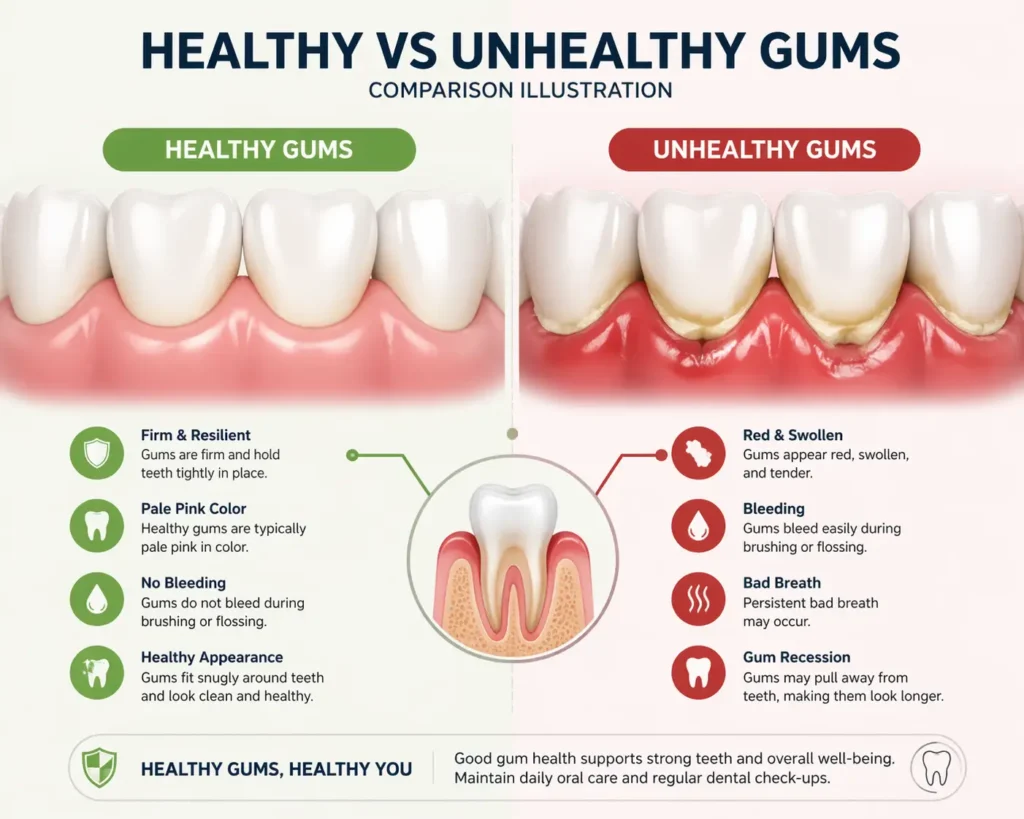
In everyday life, gum health affects more than just comfort. It influences how securely your teeth are anchored, how your mouth responds to bacteria, and how easily inflammation can develop. When gums are compromised, even basic activities like eating or brushing can become uncomfortable.
Why Gum Health Matters
Gums are not just passive tissue—they are an active part of your oral defense system. They help regulate how your body responds to bacteria in the mouth and play a role in controlling inflammation.
In real-life terms, healthy gums contribute to:
– Stability of teeth over time
– Reduced risk of sensitivity and discomfort
– Better control of oral bacteria growth
– Lower likelihood of chronic inflammation in the mouth
When gum health declines, it can create an environment where bacteria thrive. This imbalance may lead to plaque buildup, irritation, and eventually more advanced gum concerns. Over time, this can affect not just your gums, but the overall stability of your teeth.
Key Factors That Affect Gum Health
Several underlying factors influence the condition of your gums. These factors often interact with each other, creating either a protective or harmful environment in the mouth.
1. Oral Bacteria and Plaque Buildup
Your mouth naturally contains billions of bacteria. While many are harmless, others can contribute to plaque formation—a sticky film that accumulates on teeth and along the gumline.
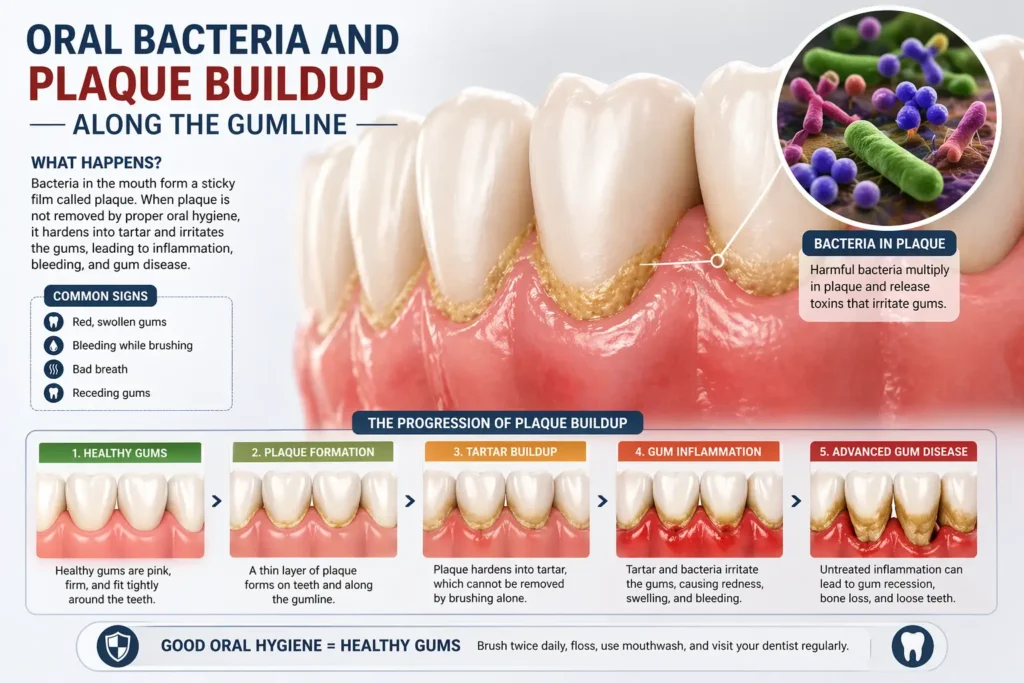
If not removed through proper oral hygiene, plaque can harden into tartar. This buildup creates an ideal environment for harmful bacteria, which may irritate the gums and trigger inflammation.
2. Inflammation and Immune Response
Inflammation is your body’s natural response to bacterial presence. However, when this response becomes prolonged, it may start to damage healthy gum tissue.
In daily life, this can show up as redness, swelling, or bleeding during brushing. Over time, chronic inflammation may weaken the supportive structures around teeth.
3. Daily Habits and Oral Hygiene
Everyday behaviors play a major role in gum health. Brushing, flossing, and rinsing are external care methods that help manage bacteria on the surface.
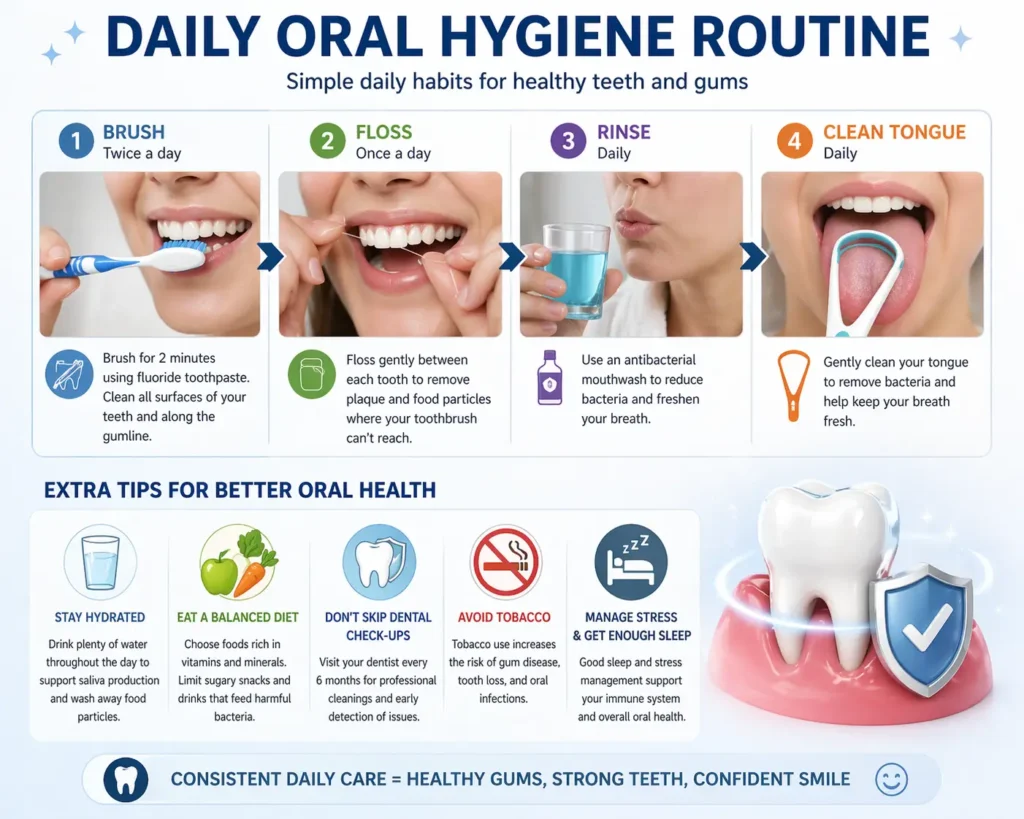
However, consistency matters. Irregular or improper hygiene can allow bacteria to accumulate, increasing the risk of gum irritation.
4. Lifestyle and Internal Factors
Diet, stress levels, hydration, and overall health can influence how your gums respond to bacteria. For example:
– Diets high in sugar may promote bacterial growth
– Stress may affect immune response
– Nutrient deficiencies may impact tissue repair
These internal factors highlight that gum health is not just about what you do in your mouth—it’s also influenced by what happens inside your body.
Early vs. Advanced Signs of Gum Issues
Gum problems often develop gradually, starting with mild symptoms that are easy to overlook.
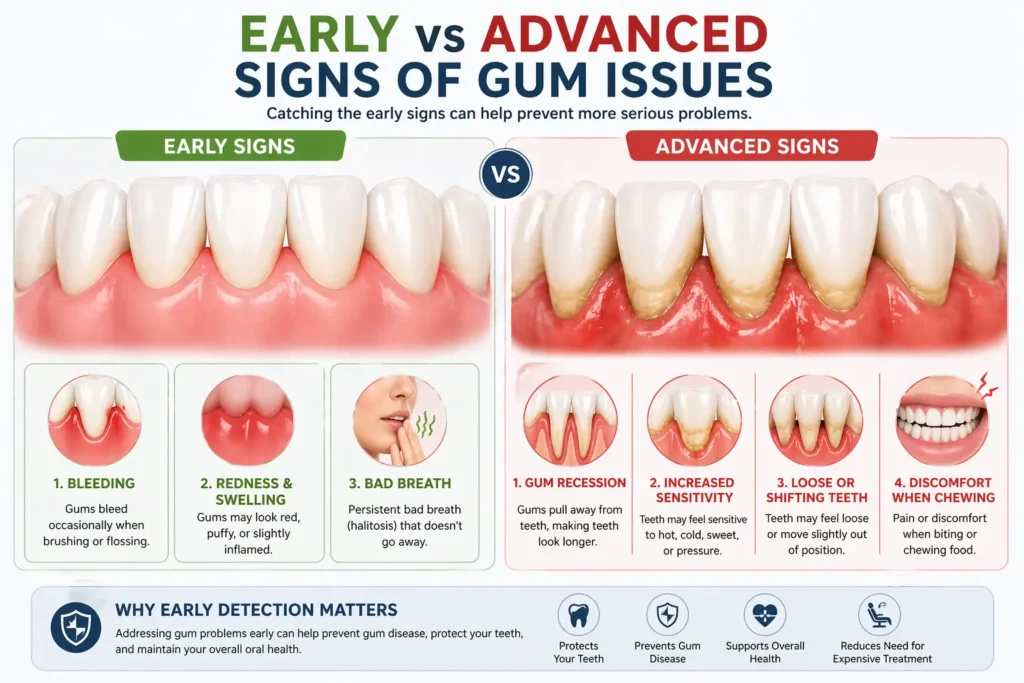
Early Signs
– Occasional bleeding when brushing or flossing
– Mild redness or swelling
– Persistent bad breath
At this stage, the condition is often linked to plaque buildup and may be manageable with improved oral hygiene.
Advanced Signs
– Receding gums (teeth appearing longer)
– Increased sensitivity
– Loose or shifting teeth
– Discomfort when chewing
These symptoms may indicate deeper involvement of the supporting structures of the teeth. Addressing these signs early is important to maintain long-term oral stability.
How Daily Habits Influence Gum Health
Your daily routine plays a central role in maintaining gum health. Both external and internal care strategies work together to support a balanced oral environment.
External Care
– Brushing twice daily to remove plaque
– Flossing to clean between teeth and along the gumline
– Using mouthwash to reduce bacterial load
Internal Support
– Eating a balanced diet rich in vitamins and minerals
– Staying hydrated to support saliva production
– Managing stress and overall health
This combination helps regulate oral bacteria and supports the body’s natural ability to maintain healthy gums.
To better understand how bacterial balance works, you can explore our oral microbiome guide, or learn how everyday habits like diet may influence this balance over time.
Oral Bacteria Balance and Long-Term Stability
Gum health is closely tied to the balance of the oral microbiome in the mouth. When beneficial and neutral bacteria are in balance, they help prevent harmful species from dominating.
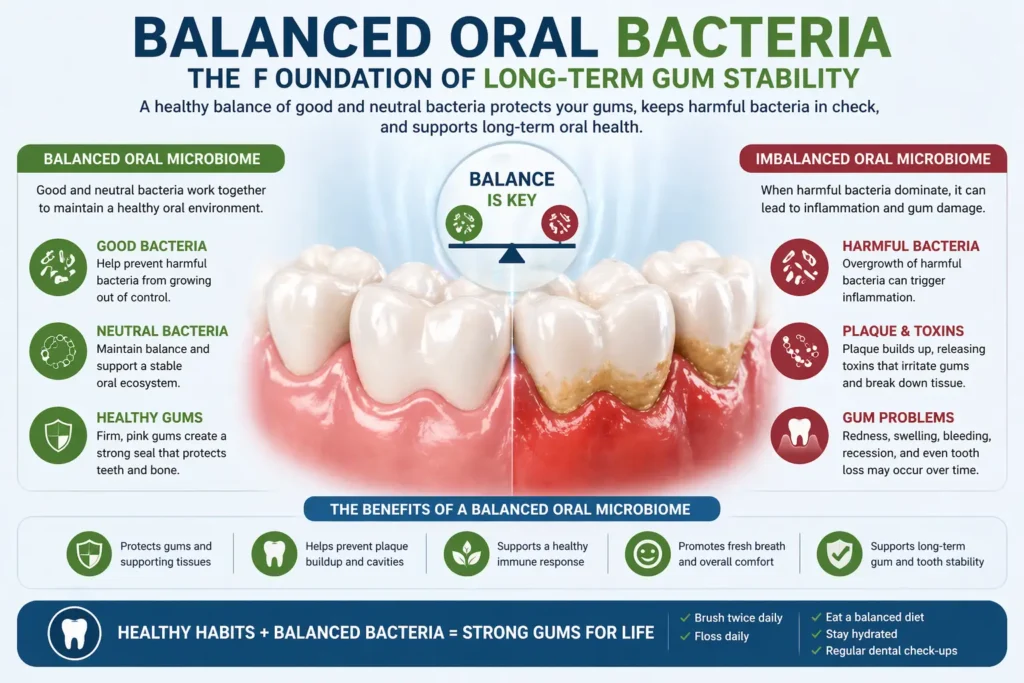
However, when this balance is disrupted—often due to poor hygiene or lifestyle factors—harmful bacteria may increase. This shift can contribute to plaque buildup and inflammation.
Over time, maintaining this balance becomes essential for long-term oral stability. Healthy gums help anchor teeth and act as a protective barrier against ongoing bacterial challenges.
Where Supplements May Fit
While daily oral hygiene focuses on external care, some people explore supplements as a way to support internal factors related to gum health.
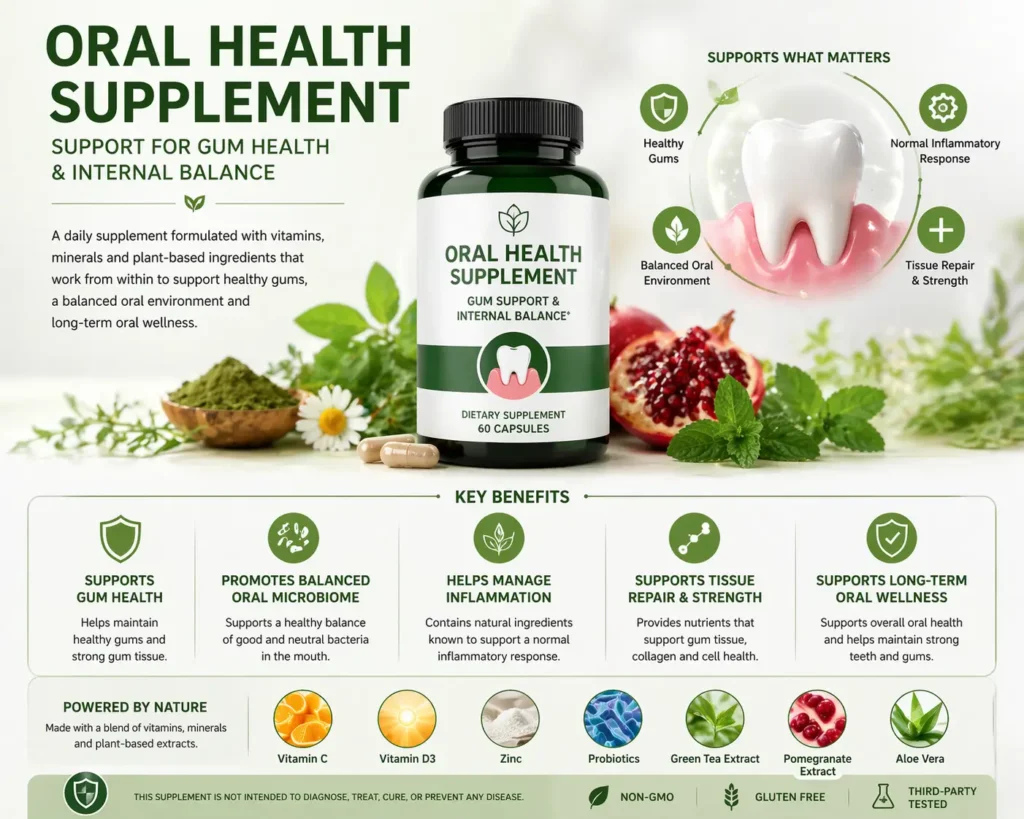
These products are often formulated with vitamins, minerals, and plant-based compounds that are commonly associated with:
– Supporting normal inflammatory responses
– Promoting tissue health
– Contributing to overall oral environment balance
It’s important to note that supplements are not a replacement for brushing, flossing, or professional dental care. Instead, they may be considered as part of a broader approach that includes both internal and external support.
Conclusion
Gum health is a foundational aspect of oral wellness that extends beyond aesthetics. It influences how your body interacts with oral bacteria, how inflammation is managed, and how stable your teeth remain over time.
By understanding the role of daily habits, bacterial balance, and internal health factors, it becomes easier to take a more complete approach to oral care. Small, consistent actions—both inside and outside the mouth—can make a meaningful difference over time.
For those interested in exploring different options, you can review a curated list of oral health supplements designed to support gum health and oral balance.
About the Author
Alex Morgan writes about oral wellness, focusing on gum health, oral hygiene routines, and ingredient-based supplement reviews. His work aims to present clear, practical insights to help readers better understand how daily habits and product choices may support long-term oral health.